Carbon Stainless Steel Multi-Turn Wave Spring Specification Table 17-7ph Carbon / Stainless Steel
Description:
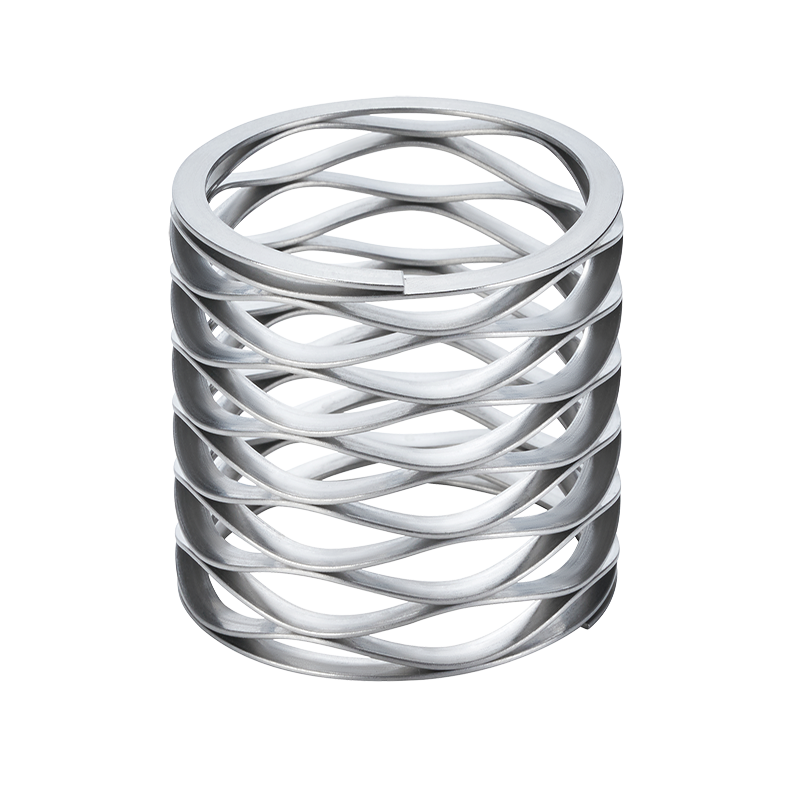
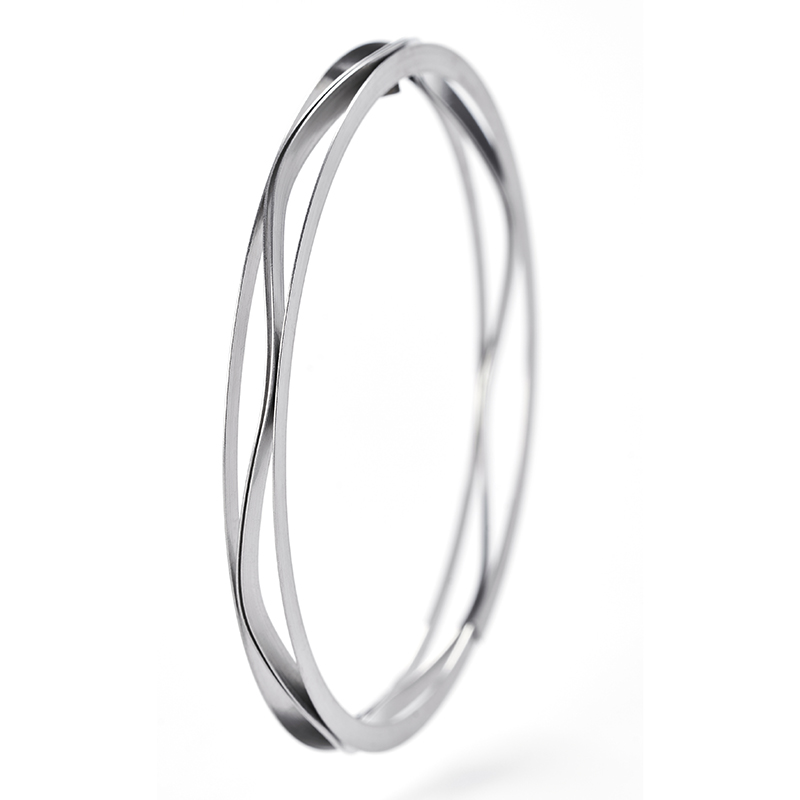
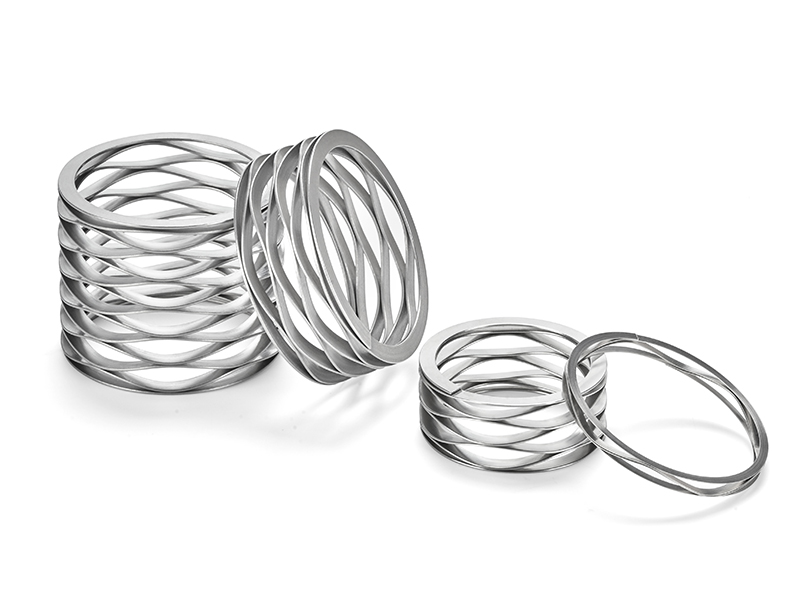
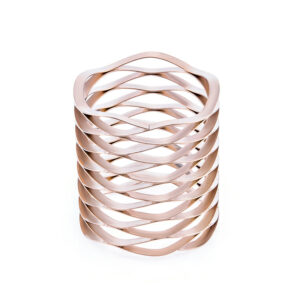
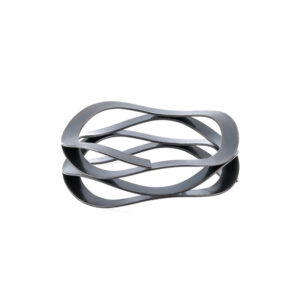
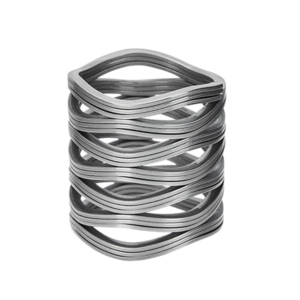
- Carbon stainless steel Multi-Turn Wave Springs are made of a single filament of round-edged, pre-tempered flat wire from a continuous coil. This results in uniform diameters and wave heights. They replace conventional round wire springs when space is critical, typically occupying only 1/3 to 1/2 of the compressed height space, while providing more deflection with the same load specifications.
- Carbon stainless steel Multi-Turn Wave Spring should be used for all applications requiring tight load deflection specifications where axial space is critical.
- We can produce spring according to drawing, samples. If you demand such these, please contact me.
Comparison of stainless steel springs and carbon steel springs:
1. Material composition is different
The main disadvantage of carbon steel springs is that they are easy to rust, especially when used in high temperature and high humidity environments. When the ambient temperature and humidity are high, stainless steel springs should be used.
2. Different production techniques
The production process of carbon steel material is to obtain the high hardness of the production spring by quenching and tempering the base material with low hardness. This process leads to poor toughness of the carbon steel material and lower service life. In practical applications, there will be a whole spring. The phenomenon of fracture, the stainless steel material is obtained by the low hardness base metal rolling mill through several times to obtain the thickness and hardness required for the production of springs, and also obtains good toughness, which will eventually lead to a better service life than carbon steel springs. At the same time, the performance is more stable.
3. Material price difference
Because the content of chromium in stainless steel spring material accounts for 16-18%, and the content of nickel accounts for 6%-8%, the price is also 2-3 times more expensive than carbon steel. For springs of the same specification, stainless steel springs will be more expensive than carbon steel springs. The price will be about 2 times more expensive.
The spring force of stainless steel is lower than that of carbon steel spring, the hardness of stainless steel spring is lower than that of carbon steel wire, but the service life is longer; carbon steel spring is easier to rust than stainless steel spring, and it has higher requirements on the use environment.
The material section of the spiral carbon stainless steel multy turn wave spring should preferably be a circular section. Square and rectangular section materials have strong bearing capacity, good impact resistance, and can miniaturize the spring, but the source of materials is small. And the price is high, except for special needs, generally try not to use this material. In recent years, the development of rolling flat steel wire instead of trapezoidal steel wire has achieved good results.
Spring materials that work at high temperatures require good thermal stability, relaxation or creep resistance, oxidation resistance, and corrosion resistance to certain media.
Specification:
| Part No. |
Operates in
Bore Diameter |
Lears Shaft
Diameter |
Load |
Work Height |
Free Height |
Waves |
Turns |
Thinkness |
Radial Wall |
Spring Rate |
| mm |
mm |
(N) |
mm |
mm |
mm |
mm |
N/MM |
| LMS20-H1 |
20 |
14 |
100 |
4.24 |
6.32 |
3.5 |
3 |
0.33 |
2.01 |
48.08 |
| LMS20-L1 |
20 |
15 |
35 |
2.72 |
6.32 |
3.5 |
3 |
0.2 |
1.8 |
9.72 |
| LMS20-M1 |
20 |
14 |
70 |
3.05 |
6.32 |
3.5 |
3 |
0.25 |
1.98 |
21.41 |
| LMS20-H2 |
20 |
14 |
100 |
5.66 |
8.43 |
3.5 |
4 |
0.33 |
2.01 |
36.1 |
| LMS20-L2 |
20 |
15 |
35 |
3.61 |
8.43 |
3.5 |
4 |
0.2 |
1.8 |
7.26 |
| LMS20-M2 |
20 |
14 |
70 |
4.06 |
8.43 |
3.5 |
4 |
0.25 |
1.98 |
16.02 |
| LMS20-H3 |
20 |
14 |
100 |
7.06 |
10.54 |
3.5 |
5 |
0.33 |
2.01 |
28.74 |
| LMS20-L3 |
20 |
15 |
35 |
4.52 |
10.54 |
3.5 |
5 |
0.2 |
1.8 |
5.81 |
| LMS20-M3 |
20 |
14 |
70 |
5.08 |
10.54 |
3.5 |
5 |
0.25 |
1.98 |
12.82 |
| LMS20-H4 |
20 |
14 |
100 |
8.48 |
12.65 |
3.5 |
6 |
0.33 |
2.01 |
23.98 |
| LMS20-L4 |
20 |
15 |
35 |
5.41 |
12.65 |
3.5 |
6 |
0.2 |
1.8 |
4.83 |
| LMS20-M4 |
20 |
14 |
70 |
6.27 |
12.65 |
3.5 |
6 |
0.25 |
1.98 |
10.97 |
| LMS20-H5 |
20 |
14 |
100 |
9.91 |
14.76 |
3.5 |
7 |
0.33 |
2.01 |
20.62 |
| LMS20-L5 |
20 |
15 |
35 |
6.32 |
14.76 |
3.5 |
7 |
0.2 |
1.8 |
4.15 |
| LMS20-M5 |
20 |
14 |
70 |
7.32 |
14.76 |
3.5 |
7 |
0.25 |
1.98 |
9.41 |
| LMS20-H6 |
20 |
14 |
100 |
12.73 |
18.97 |
3.5 |
9 |
0.33 |
2.01 |
16.03 |
| LMS20-L6 |
20 |
15 |
35 |
8.13 |
18.97 |
3.5 |
9 |
0.2 |
1.8 |
3.23 |
| LMS20-M6 |
20 |
14 |
70 |
9.17 |
18.97 |
3.5 |
9 |
0.25 |
1.98 |
7.14 |
| LMS20-H7 |
20 |
14 |
100 |
16.97 |
25.3 |
3.5 |
12 |
0.33 |
2.01 |
12 |
| LMS20-L7 |
20 |
15 |
35 |
10.82 |
25.3 |
3.5 |
12 |
0.2 |
1.8 |
2.42 |
| LMS20-M7 |
20 |
14 |
70 |
12.22 |
25.3 |
3.5 |
12 |
0.25 |
1.98 |
5.35 |
| LMS25-H1 |
25 |
19 |
110 |
4.04 |
6.63 |
3.5 |
3 |
0.38 |
2.39 |
42.47 |
| LMS25-L1 |
25 |
19 |
50 |
2.06 |
6.63 |
3.5 |
3 |
0.25 |
2.18 |
10.94 |
| LMS25-M1 |
25 |
19 |
80 |
2.95 |
6.63 |
3.5 |
3 |
0.3 |
2.39 |
21.74 |
| LMS25-H2 |
25 |
19 |
110 |
5.38 |
8.84 |
3.5 |
4 |
0.38 |
2.39 |
31.79 |
| LMS25-L2 |
25 |
19 |
50 |
2.74 |
8.84 |
3.5 |
4 |
0.25 |
2.18 |
8.2 |
| LMS25-M2 |
25 |
19 |
80 |
3.94 |
8.84 |
3.5 |
4 |
0.3 |
2.39 |
16.33 |
| LMS25-H3 |
25 |
19 |
110 |
6.73 |
11.05 |
3.5 |
5 |
0.38 |
2.39 |
25.46 |
| LMS25-L3 |
25 |
19 |
50 |
3.43 |
11.05 |
3.5 |
5 |
0.25 |
2.18 |
6.56 |
| LMS25-M3 |
25 |
19 |
80 |
4.9 |
11.05 |
3.5 |
5 |
0.3 |
2.39 |
13.01 |
| LMS25-H4 |
25 |
19 |
110 |
8.08 |
13.26 |
3.5 |
6 |
0.38 |
2.39 |
21.24 |
| LMS25-L4 |
25 |
19 |
50 |
4.11 |
13.26 |
3.5 |
6 |
0.25 |
2.18 |
|

 English
  Chinese
  Dutch
Dutch  French
  German
  Italian
  Japanese
  Korean
  Portuguese
  Russian
  Spanish