
Introduction
In the dynamic landscape of industrial engineering, the selection of materials for components is a critical decision that directly impacts the performance and reliability of the final product. Wave springs, known for their compact design and versatile applications, have become integral to various industrial processes. Among the diverse materials used in manufacturing wave springs, the alloy 65Mn stands out for its unique properties that make it an ideal choice for a wide range of industrial applications. This article delves into the characteristics of 65Mn and explores what makes wave springs crafted from this alloy particularly well-suited for the demands of modern industrial settings.
I. Understanding Wave Springs
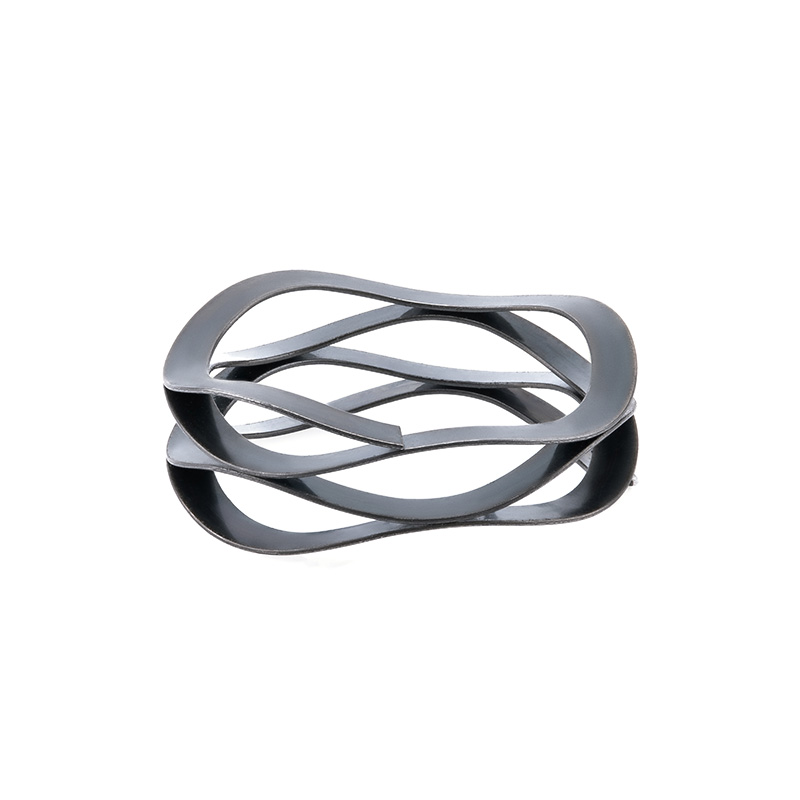
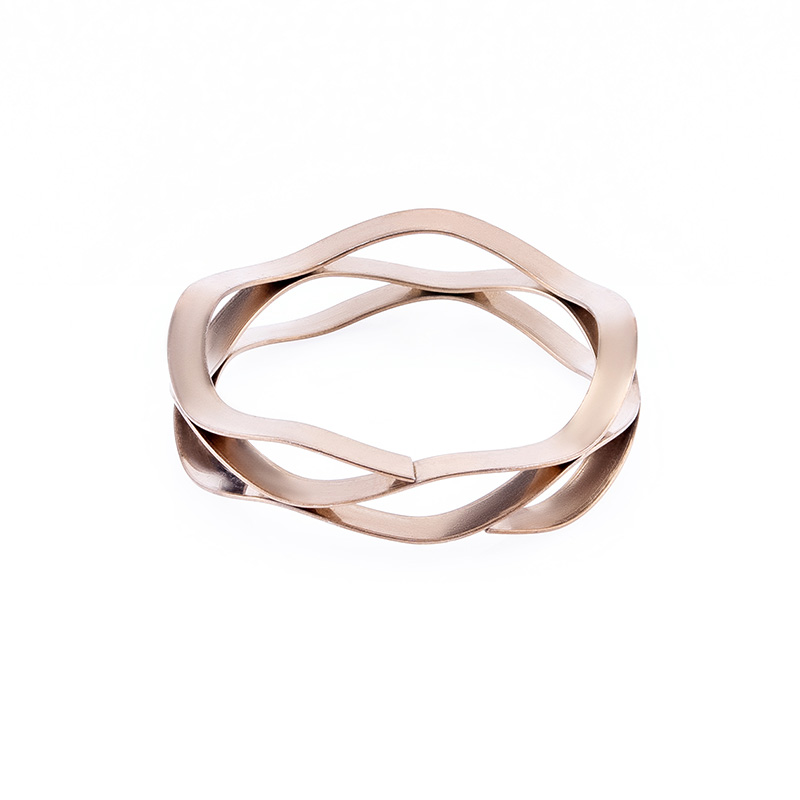
Before delving into the specific attributes of the 65Mn alloy, it’s essential to grasp the fundamentals of wave springs. Unlike traditional coil springs, wave springs are characterized by their flat or wavy design. This innovative structure allows them to store and release energy with a reduced axial height, making them ideal for applications with limited space. Wave springs find use in diverse industries, including automotive, aerospace, electronics, and medical devices, among others, due to their compact size and ability to deliver precise force and deflection.
II. Overview of 65Mn Alloy
65Mn is a high-quality, medium-carbon alloy steel known for its excellent mechanical properties, durability, and cost-effectiveness. Composed primarily of manganese, it exhibits a balanced combination of strength, toughness, and wear resistance. These characteristics make the 65Mn alloy well-suited for various industrial applications, and when employed in the fabrication of wave springs, it offers unique advantages that contribute to their efficiency and reliability.
III. Key Properties of 65Mn Alloy in Wave Springs
High Tensile Strength:
The high tensile strength of the 65Mn alloy makes it resilient to deformation under stress, providing wave springs with the durability required for long-term use in demanding industrial environments. This property is particularly crucial in applications where the springs undergo repeated cycles of compression and expansion.
Excellent Elasticity:
Elasticity is a vital property in wave springs, as it determines their ability to return to their original shape after deformation. 65Mn alloy’s excellent elasticity ensures that wave springs made from this material can maintain their performance over numerous cycles, offering reliability and consistency in various industrial operations.
Corrosion Resistance:
Industrial environments often expose components to harsh conditions that can lead to corrosion. 65Mn alloy exhibits good resistance to corrosion, prolonging the lifespan of wave springs and ensuring they remain effective even when subjected to challenging operating conditions.
Heat Treatment Capabilities:
65Mn alloy responds well to heat treatment processes, allowing manufacturers to customize the hardness and other mechanical properties of wave springs based on specific application requirements. This versatility in heat treatment contributes to the adaptability of wave springs in diverse industrial settings.
Cost-Effective Manufacturing:
The cost-effectiveness of 65Mn alloy makes it an attractive choice for wave spring manufacturing. Its availability and relatively low production costs contribute to making wave springs crafted from 65Mn a cost-efficient solution for various industrial applications without compromising performance.
IV. Industrial Applications of 65Mn Wave Springs
Automotive Industry:
In the automotive sector, space constraints and weight considerations are critical factors. 65Mn wave springs find applications in various automotive components, including clutches, transmissions, and suspension systems, where their compact design and reliable performance contribute to the overall efficiency and functionality of the vehicle.
Aerospace Engineering:
The aerospace industry demands components that can withstand extreme conditions while maintaining precision. 65Mn wave springs, with their high tensile strength and resilience, are utilized in aerospace applications such as actuation systems, where their compact design and reliable performance are paramount.
Electronics and Consumer Goods:
Wave springs are increasingly used in electronics and consumer goods to provide controlled force in compact spaces. In devices such as printers, cameras, and electronic gadgets, 65Mn wave springs offer a reliable and space-efficient solution for ensuring proper functionality.
Medical Devices:
The medical industry relies on precision and reliability in equipment. 65Mn wave springs are employed in various medical devices, including surgical instruments and diagnostic equipment, where their compact design and consistent performance contribute to the success of critical medical procedures.
Industrial Automation:
In the realm of industrial automation, where precision and compact design are paramount, 65Mn wave springs find applications in robotics, conveyor systems, and other automated machinery. Their ability to provide controlled force and deflection in confined spaces makes them an integral component of enhancing operational efficiency.
V. Design Considerations for 65Mn Wave Springs
Load and Deflection Requirements:
Understanding the specific load and deflection requirements of the application is crucial to designing effective wave springs. Engineers must carefully calculate the dimensions and characteristics of 65Mn wave springs to ensure they meet the performance criteria outlined for a particular industrial use.
Temperature and Environmental Considerations:
Taking into account the operating temperature and environmental conditions is essential in designing wave springs for optimal performance. 65Mn alloy’s corrosion resistance and heat treatment capabilities make it well-suited for applications in diverse temperature and environmental settings.
Fatigue Life Expectancy:
Evaluating the expected fatigue life of wave springs is vital for ensuring long-term reliability. Engineers must consider the material properties of the 65Mn alloy and design wave springs with appropriate dimensions and configurations to meet the required fatigue life expectancy.
VI. Maintenance and Inspection of 65Mn Wave Springs
Regular Visual Inspections:
Implement a routine visual inspection schedule to check for signs of wear, deformation, or corrosion on 65Mn wave springs. Identifying issues early allows for timely maintenance and prevents unexpected failures.
Load and Deflection Testing:
Periodically conduct load and deflection testing to ensure that 65Mn wave springs continue to meet the specified performance criteria. Testing provides insights into the springs’ ongoing functionality and helps identify any deviations from expected behavior.
Lubrication and Cleaning:
Depending on the application, lubrication may be necessary to reduce friction and wear on the wave springs. Additionally, regular cleaning helps prevent the accumulation of debris and contaminants that could compromise performance.
VII. Future Innovations and Trends
As industries continue to evolve, the application of wave springs, especially those made from 65Mn alloy, is likely to witness further innovations and advancements. Trends such as increased integration with smart technologies, additive manufacturing techniques, and further customization for specific industries are expected to shape the future landscape of wave spring applications.
Conclusion
In conclusion, the unique properties of 65Mn alloy make wave springs crafted from this material an ideal choice for a diverse range of industrial applications. From the automotive and aerospace industries to electronics, medical devices, and industrial automation, 65Mn wave springs offer a combination of strength, elasticity, and cost-effectiveness that aligns with the demanding requirements of modern manufacturing.
Understanding the specific needs of each application, incorporating thoughtful design considerations, and implementing a proactive maintenance strategy are crucial steps in maximizing the performance and longevity of 65Mn wave springs. As industries continue to push the boundaries of innovation, the versatility and efficiency of 65Mn wave springs position them as a reliable solution for emerging challenges in industrial engineering.
Related Products
 English
  Chinese
  Dutch
Dutch  French
  German
  Italian
  Japanese
  Korean
  Portuguese
  Russian
  Spanish