
Introduction
Mechanical assemblies are the backbone of various industrial systems, ensuring the seamless operation of machinery and equipment. In this intricate realm of engineering, the choice of components plays a pivotal role in determining the efficiency, reliability, and longevity of the assembly. Among these components, wave spiral retaining rings have emerged as key contributors to enhancing mechanical assemblies. This article delves into the design, functionality, and advantages of wave spiral retaining rings, exploring how they elevate the performance and functionality of mechanical assemblies in diverse industrial applications.
I. Understanding Wave Spiral Retaining Rings
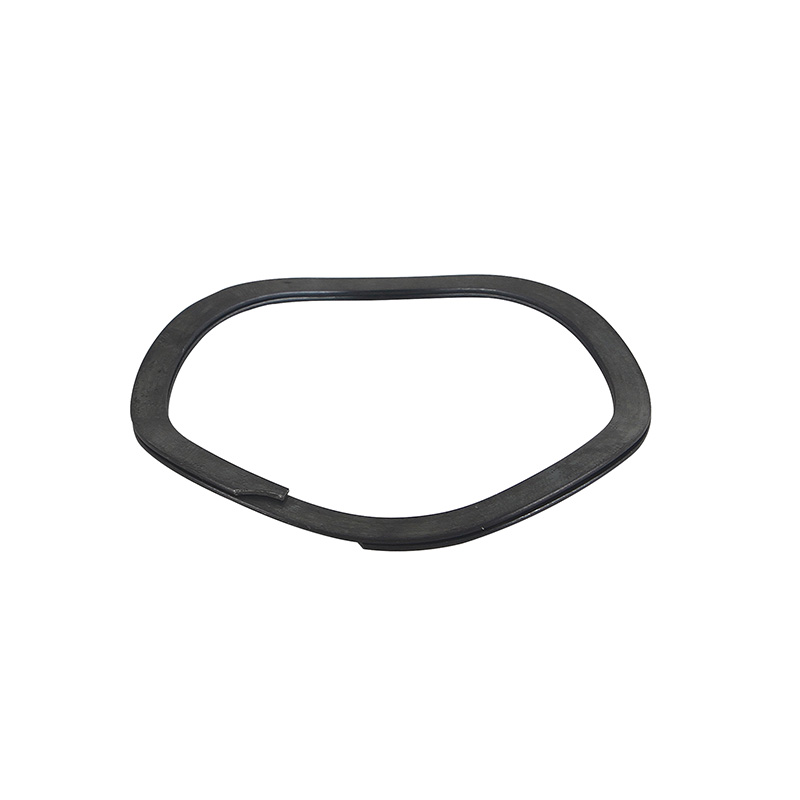
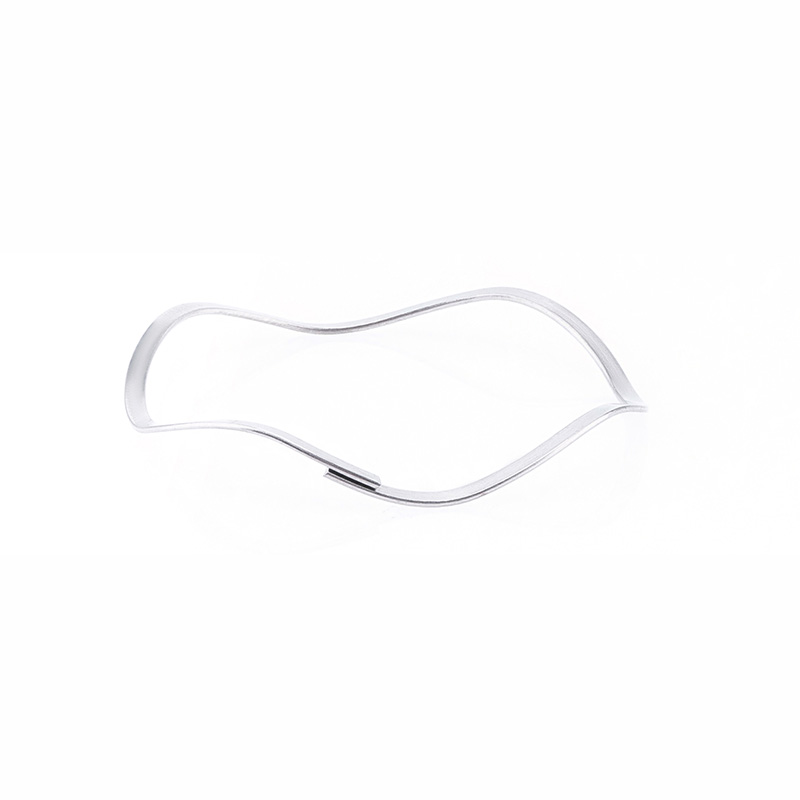
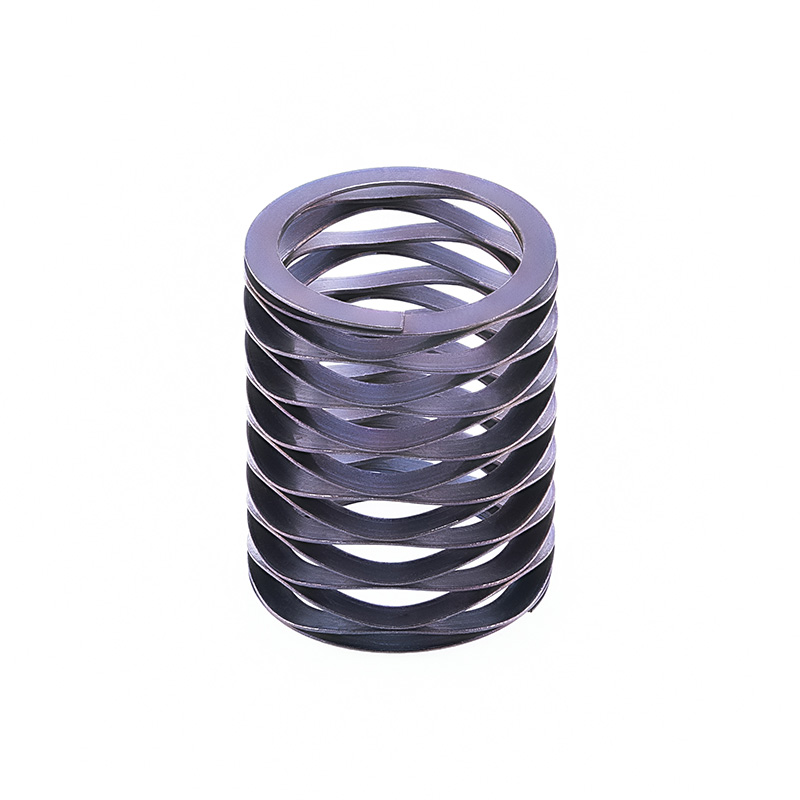
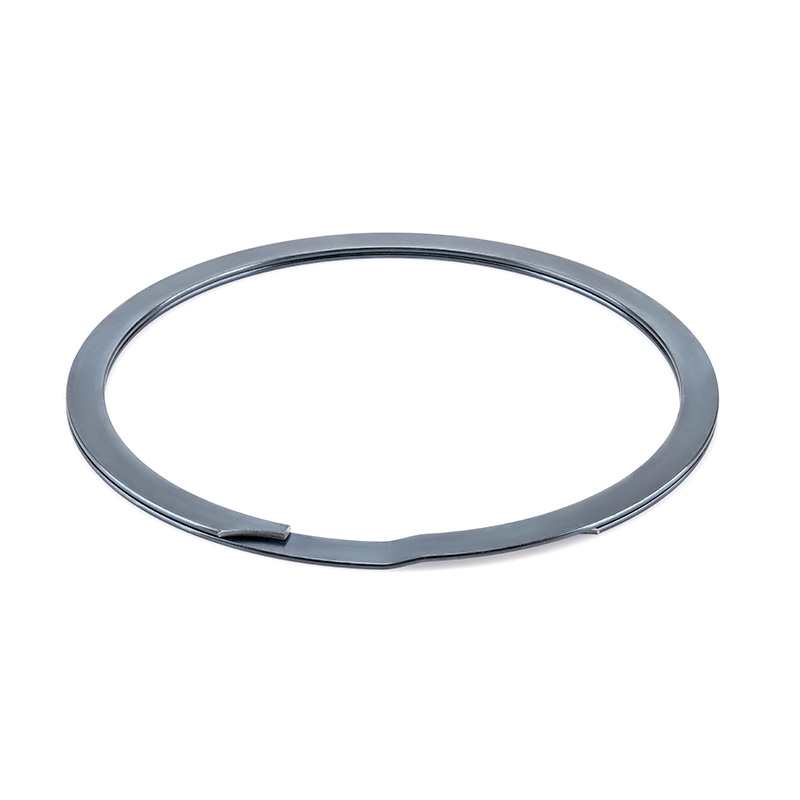
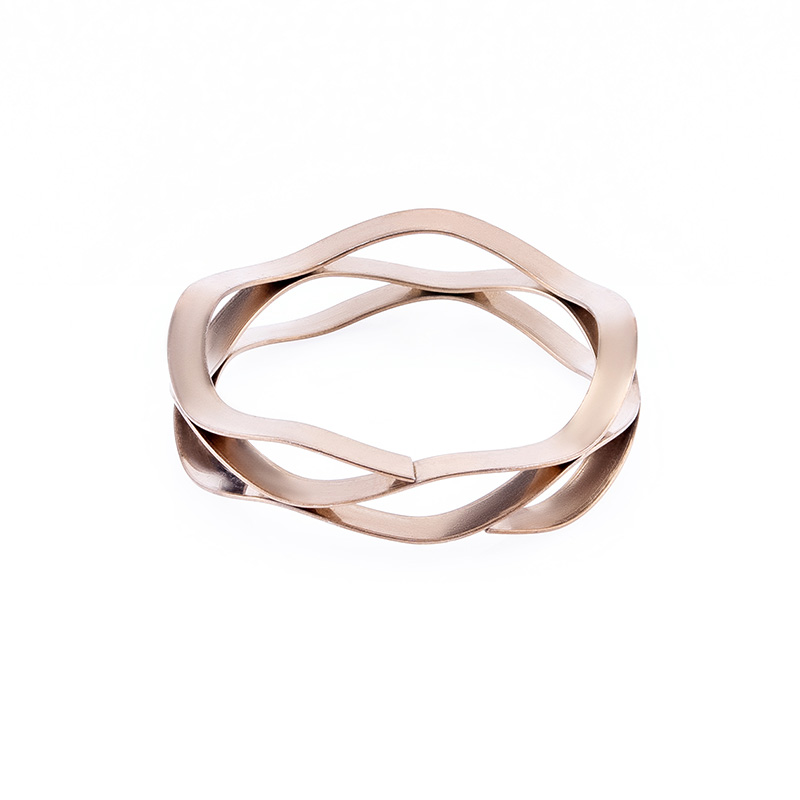
Wave spiral retaining rings, also known as spiral rings or spiral retaining bands, are versatile components used for axial retention in mechanical assemblies. Unlike traditional retaining rings, wave spiral rings feature a unique wave-like or spiral design, providing several advantages over their counterparts. These rings are typically manufactured from materials such as carbon steel or stainless steel, offering strength, durability, and corrosion resistance.
II. The Design and Structure of Wave Spiral Retaining Rings
Spiral Configuration:
The distinguishing feature of wave spiral retaining rings is their spiral or wave-like design. This configuration allows for flexibility during installation and removal, making them suitable for a wide range of applications.
Radial Wall Thickness:
Wave spiral rings have a consistent radial wall thickness, contributing to their stability and reliability in holding components in place. The uniformity of the wall thickness ensures an even distribution of the axial load.
Material Variations:
Manufacturers produce wave spiral retaining rings in various materials, including carbon steel and stainless steel. The choice of material depends on factors such as the application environment, load requirements, and corrosion resistance needs.
III. The Role of Wave Spiral Retaining Rings in Mechanical Assemblies
Axial Retention:
The primary function of wave spiral retaining rings is to provide axial retention within a mechanical assembly. They secure components such as bearings, gears, or shafts in place, preventing axial movement and maintaining the integrity of the assembly.
Dynamic Loading:
Wave spiral rings excel in applications with dynamic loading conditions. The flexibility of their spiral design allows them to absorb shocks, vibrations, and fluctuations in axial forces, contributing to the longevity of the assembly.
Ease of Installation and Removal:
Unlike traditional snap rings that may require specialized tools for installation and removal, wave spiral retaining rings offer ease of handling. Their design allows for manual installation and removal, simplifying maintenance and repair processes.
Space Optimization:
Wave spiral rings are known for their compact design. This space optimization is particularly valuable in assemblies with limited space, where traditional retaining rings may prove impractical. The reduced radial profile of wave spiral rings enhances overall assembly efficiency.
IV. Advantages of Using Wave Spiral Retaining Rings
Enhanced Versatility:
Wave spiral retaining rings are highly versatile and adaptable to various assembly configurations. Their flexibility allows for use in applications with different shaft or bore sizes, providing engineers with a versatile solution for axial retention.
Reduced Stress Concentration:
The even distribution of radial wall thickness in wave spiral rings reduces stress concentration points. This feature is critical in applications subject to dynamic loading, ensuring that stress is uniformly distributed across the retaining ring.
Cost-Effectiveness:
The ease of installation and removal, coupled with the reduced need for specialized tools, contributes to the cost-effectiveness of wave spiral retaining rings. Their simplicity in design and handling makes them an economical choice for many applications.
Improved Reliability:
Wave spiral rings enhance the reliability of mechanical assemblies by preventing axial movement and securing components in place. The ability to withstand dynamic loading conditions further contributes to the overall robustness of the assembly.
V. Applications of Wave Spiral Retaining Rings
Automotive Industry:
In the automotive sector, wave spiral retaining rings find applications in various components, including transmissions, differentials, and wheel hubs. Their ability to handle dynamic loading conditions and provide secure axial retention contributes to the efficiency and durability of automotive systems.
Industrial Machinery:
Wave spiral rings are widely used in industrial machinery for securing bearings, gears, and shafts. Their adaptability to different sizes and ease of installation make them valuable components in diverse industrial applications.
Aerospace Engineering:
The aerospace industry relies on precision and reliability in its components. Wave spiral retaining rings are utilized in aerospace engineering for axial retention in critical applications such as actuation systems, where their compact design and dependability are crucial.
Medical Devices:
In the medical field, where precision and space efficiency are paramount, wave spiral rings are employed in devices such as pumps and surgical instruments. Their ability to secure components without adding bulk aligns with the stringent requirements of medical equipment.
Consumer Electronics:
Wave spiral retaining rings play a role in the assembly of consumer electronics, contributing to the secure retention of components in devices such as motors, drives, and small appliances.
VI. Installation and Removal of Wave Spiral Retaining Rings
Installation Techniques:
Wave spiral retaining rings are typically installed by manually expanding them to fit over the designated shaft or into a bore. The inherent flexibility of the spiral design allows for easy adjustment, and once in place, the ring naturally contracts to provide axial retention.
Removal Methods:
Removal of wave spiral rings is equally straightforward. Depending on the specific design, they can be manually expanded using specialized tools or screwdrivers, facilitating easy disassembly for maintenance or component replacement.
Precautions during Installation:
While wave spiral rings offer ease of installation, it’s essential to follow proper procedures to avoid damage. Ensuring that the ring is fully seated and properly aligned on the shaft or in the bore is crucial for optimal performance.
VII. Maintenance Considerations for Wave Spiral Retaining Rings
Regular Inspections:
Incorporate regular inspections into maintenance schedules to check for signs of wear, deformation, or corrosion on wave spiral retaining rings. Timely identification of issues allows for proactive maintenance and prevents unexpected failures.
Lubrication:
In applications where wave spiral rings are exposed to harsh environments or extreme temperatures, the use of appropriate lubrication can enhance their performance and prevent corrosion. Consideration should be given to the compatibility of lubricants with the chosen material.
Replacement of Worn Rings:
Worn or damaged wave spiral retaining rings should be promptly replaced to ensure the continued reliability of the mechanical assembly. Replacement rings should match the specifications of the original design to maintain the intended performance.
VIII. Future Trends in Wave Spiral Retaining Ring Technology
As engineering technologies continue to advance, the evolution of wave spiral retaining ring technology is expected to follow suit. Future trends may include:
Advanced Materials:
Research into materials with enhanced strength, corrosion resistance, and other specialized properties may lead to the development of wave spiral retaining rings that cater to specific industry needs.
Innovative Designs:
Engineers may explore novel designs that further optimize the performance of wave spiral retaining rings. This could involve variations in the spiral pattern, radial wall thickness, or additional features for specific applications.
Integration with Smart Technologies:
The integration of wave spiral retaining rings with smart technologies may enable real-time monitoring of their performance within mechanical assemblies. Sensors or embedded technologies could provide data on factors such as load distribution, wear, and temperature, allowing for predictive maintenance strategies.
Additive Manufacturing Techniques:
Additive manufacturing, such as 3D printing, may play a role in producing customized wave spiral retaining rings with intricate designs. This could lead to more tailored solutions for specific applications, with increased design flexibility and efficiency in production.
Increased Customization:
The demand for more specialized solutions in various industries may drive increased customization of wave spiral retaining rings. Manufacturers may offer a range of configurations, materials, and sizes to meet the specific requirements of different applications.
Environmentally Friendly Materials:
As sustainability becomes a focal point in manufacturing, the development of wave spiral retaining rings using environmentally friendly materials or recycled alloys may emerge as a trend. This aligns with the broader industry shift toward eco-conscious practices.
Conclusion
In conclusion, wave spiral retaining rings play a crucial role in enhancing mechanical assemblies across diverse industries. Their unique design, coupled with inherent advantages such as versatility, ease of installation, and space optimization, positions them as valuable components in the realm of engineering. From automotive systems to aerospace applications, medical devices, and consumer electronics, wave spiral retaining rings contribute to the efficiency, reliability, and longevity of mechanical assemblies.
The continued evolution of wave spiral retaining ring technology is anticipated to bring forth innovations that align with the ever-changing landscape of industrial engineering. As industries strive for higher performance, cost-effectiveness, and sustainability, the adaptability and functionality of wave spiral retaining rings make them a key consideration for engineers and designers seeking optimal solutions in mechanical assemblies.
By understanding the design principles, advantages, and maintenance considerations associated with wave spiral retaining rings, engineering professionals can make informed decisions in selecting and implementing these components. Whether securing critical components in automotive transmissions, contributing to the precision of medical devices, or optimizing space in industrial machinery, wave spiral retaining rings showcase their versatility and reliability in the intricate tapestry of mechanical assemblies. As technology continues to advance, the role of these rings is poised to expand, offering even more sophisticated solutions to meet the evolving needs of modern industrial applications.
Related Products
 English
  Chinese
  Dutch
Dutch  French
  German
  Italian
  Japanese
  Korean
  Portuguese
  Russian
  Spanish