
Introduction
Wave springs, a relatively modern addition to the world of mechanical engineering, have been gaining popularity for their unique design and innovative features. These springs, unlike traditional coil springs, boast a distinct wave-like structure that sets them apart in various industrial applications. In this article, we will delve into the key characteristics that make wave springs stand out, exploring their design, advantages, and diverse applications.
Understanding Wave Springs
Distinctive Design
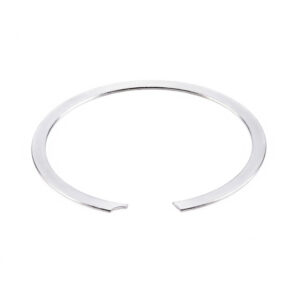
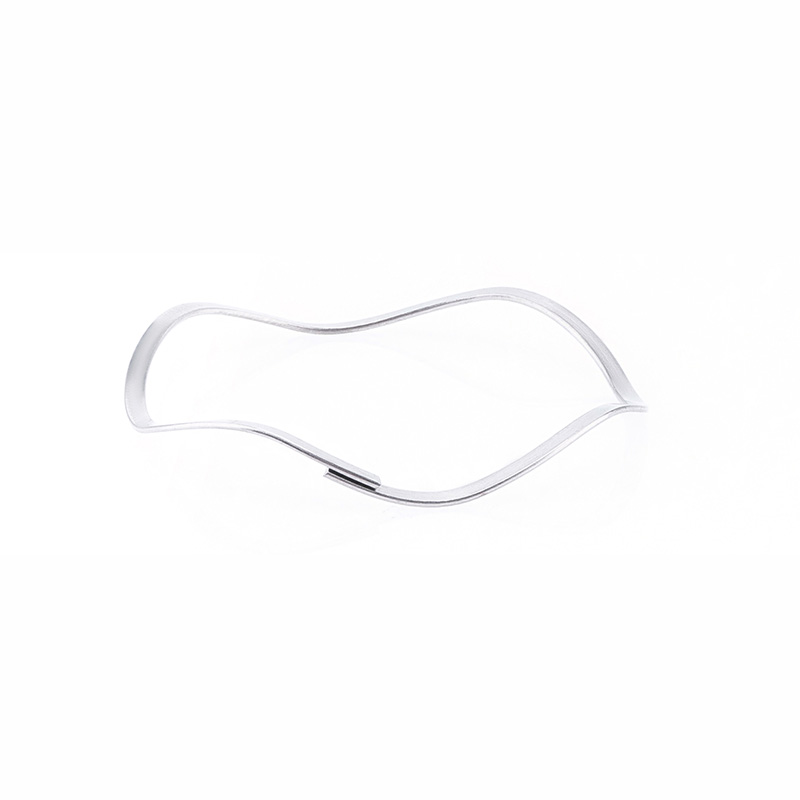
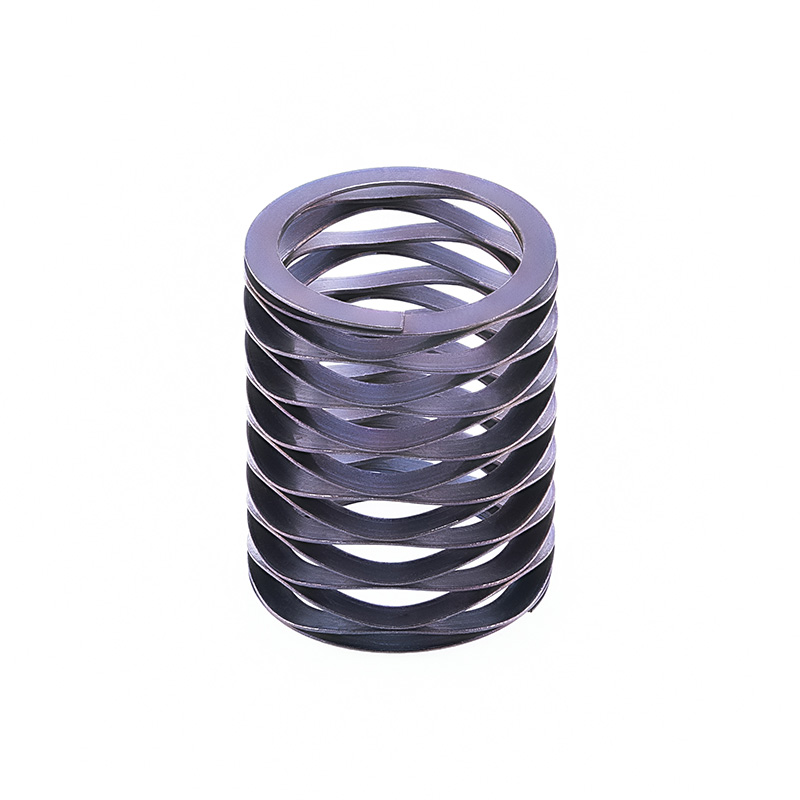
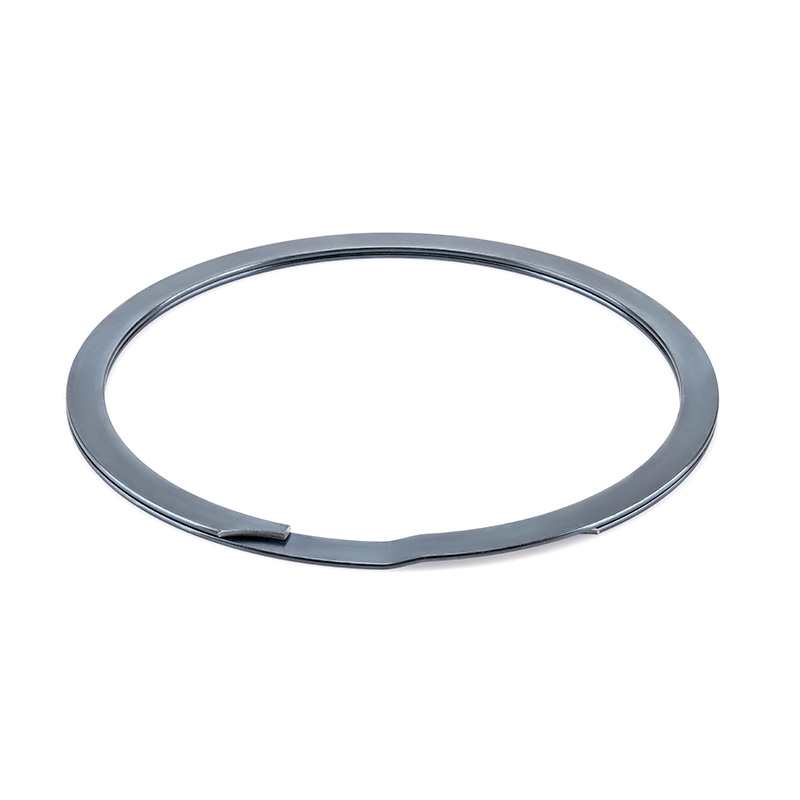
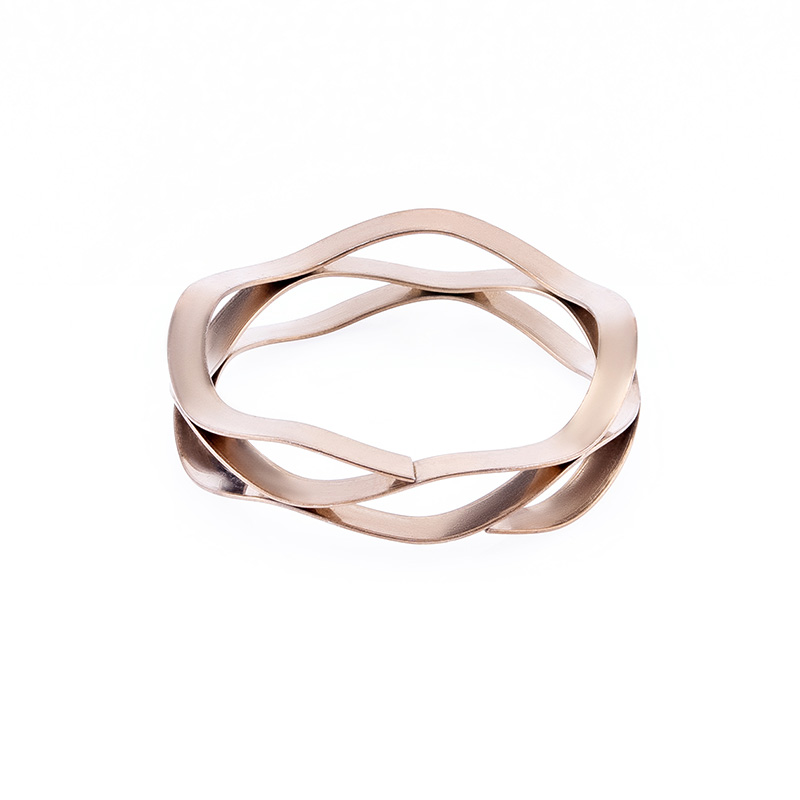
At the core of what sets wave springs apart is their distinctive design. Unlike traditional coil springs that rely on a helical structure, wave springs feature a flat or corrugated design, resembling a wave pattern. This unique geometry allows them to achieve the same spring force as traditional springs while occupying significantly less space.
Material Variability
Wave springs are typically manufactured from materials such as stainless steel or alloys, providing a high level of flexibility in terms of material selection. This adaptability to different materials allows engineers to choose wave springs with properties that best suit the specific requirements of their applications, whether it be corrosion resistance, temperature tolerance, or other factors.
Advantages of Wave Springs
Compact Size and Space Efficiency
One of the primary advantages of wave springs is their ability to provide substantial spring force in compact form. The wave-like structure allows for a reduced compressed height compared to traditional coil springs, making them ideal for applications where space is at a premium. This feature is particularly beneficial in industries like automotive, aerospace, and medical devices, where miniaturization is a key consideration.
Consistent Force and Precision
The wave design of these springs contributes to a more consistent force throughout their compression and decompression cycles. This characteristic is crucial in applications where precision and reliability are paramount. The stability in force ensures that wave springs maintain their performance over time, reducing the likelihood of mechanical failures in critical systems.
Fatigue Resistance and Longevity
Wave springs are engineered to exhibit excellent fatigue resistance, ensuring a longer operational lifespan compared to traditional springs. The wave-like structure distributes stress more evenly, mitigating the risk of localized wear and fatigue. This durability makes them a preferred choice in applications where frequent or continuous cycling is required, such as in valves, clutches, and various mechanical assemblies.
Wide Range of Load Capacities
Despite their compact size, wave springs are capable of delivering a wide range of loads. Engineers can choose from various sizes and specifications to meet the specific force requirements of their applications. This versatility allows for customization, making wave springs suitable for an extensive array of industrial and commercial uses.
Applications of Wave Springs
Automotive Industry
The automotive industry has embraced the use of wave springs in various components, including suspension systems, clutch assemblies, and transmission systems. The compact size of wave springs is particularly advantageous in these applications, where space constraints and weight considerations are critical.
Aerospace Sector
In aerospace applications, where weight reduction and reliability are paramount, wave springs find utility in mechanisms such as landing gear systems, control surfaces, and actuation systems. Their ability to provide significant force in a small package aligns with the aerospace industry’s constant pursuit of lightweight and efficient designs.
Medical Devices
Wave springs are becoming increasingly prevalent in the medical device industry, where miniature components are often required. They find applications in devices like infusion pumps, surgical instruments, and diagnostic equipment, where space efficiency and precision are crucial.
Electronics and Consumer Goods
The compact nature of wave springs also makes them suitable for use in electronics and consumer goods. From damping mechanisms in electronic gadgets to ensuring proper contact pressure in connectors, wave springs contribute to the reliable performance of various devices.
The Future of Wave Springs
As technology continues to advance, the future of wave springs looks promising. Ongoing research and development efforts are focused on refining the materials used in wave spring manufacturing, exploring new design possibilities, and expanding the range of load capacities and sizes available.
Material Advancements
Advances in material science may lead to the development of wave springs with enhanced properties, such as improved corrosion resistance, higher temperature tolerance, and increased fatigue life. These material innovations would open up new possibilities for wave springs in a broader range of applications, including those with more demanding environmental conditions.
Smart and Adaptive Wave Springs
The integration of smart technologies into mechanical components is a growing trend. Future iterations of wave springs may incorporate sensors and adaptive features, allowing them to respond dynamically to changes in load or environmental conditions. This could lead to more efficient and responsive mechanical systems in various industries.
3D Printing and Customization
The advent of 3D printing technology provides new avenues for the manufacturing of wave springs. This could lead to more customized solutions, with engineers tailoring wave springs to the specific requirements of their applications. The ability to create complex geometries with 3D printing may further expand the design possibilities for wave springs.
Conclusion
In conclusion, the wave spring’s innovative design, compact size, and versatile characteristics set it apart as a valuable component in the realm of mechanical engineering. As industries continue to prioritize efficiency, miniaturization, and precision, the demand for wave springs is likely to grow. Engineers and designers across different sectors are increasingly recognizing the advantages that these springs bring to the table, making them an integral part of modern mechanical systems. Whether in the automotive, aerospace, medical, or electronics industry, wave springs have proven to be a reliable and efficient solution, demonstrating that innovation in engineering can come in the most unexpected forms.
 English
  Chinese
  Dutch
Dutch  French
  German
  Italian
  Japanese
  Korean
  Portuguese
  Russian
  Spanish