
Abstract:
Wave washers are specialized spring washers that are designed to provide controlled force, resistance, and space-efficient preload in mechanical components.
Machinery’s Handbook (Industrial Press) describes spring projeto as being dependent on the Spring Manufacturers Institute (SMI), and Mechanical Springs by A.M. Wahl, which are used in a variety of industries. The design of the lavadora de ondas is dependent on the need to compact the spring, have a consistent load, and have tolerance compensation.
Unlike common flat or disc springs, wave washers offer a consistent force that is proportional to the volume of water present. This is ideal for mechanical and electromechanical systems.
This article investigates what industries utilize wave washers, discusses the functional importance of these devices, the requirements that they must fulfill, and the practical applications that they have in real life regarding engineering principles and current manufacturing methods.
Referenced authoritative sources:
- Machinery’s Handbook, Industrial Press
- Wahl, A.M., Mechanical Springs
- Spring Manufacturers Institute (SMI), Spring Design Manual
- Shigley’s Mechanical Engineering Design
Introduction: Why Wave Washers Matter Across Industries
In modern engineering, space is now limited to a greater degree, but the expectations of performance still increase. Designers are tasked with reducing the size, weight, and cost of components while still maintaining their reliability. This is the exact location of the wave washer’s role in critical situations.
The query ” What industries utilize wave washers?” is more than just curiosity; it demonstrates a shift towards compact, high-performance mechanical solutions. Unlike traditional washers that provide no extra force, wave washers have a spring-like force, preload, and vibrations that are controlled by one component. Their adoption involves industries including automotive, aerospace, electronics, and medical technology.
What Are Wave Washers?
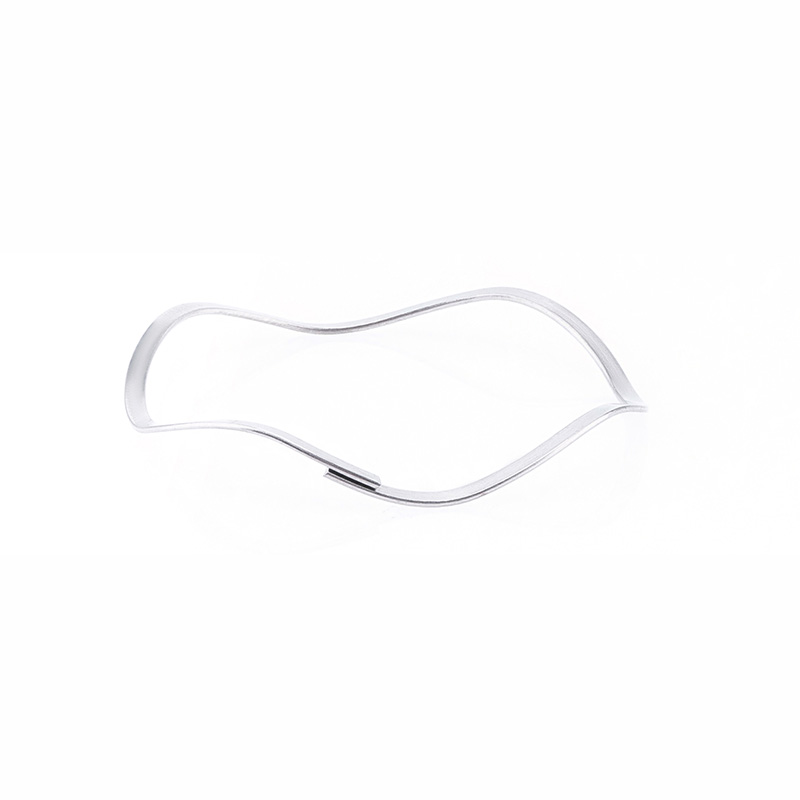
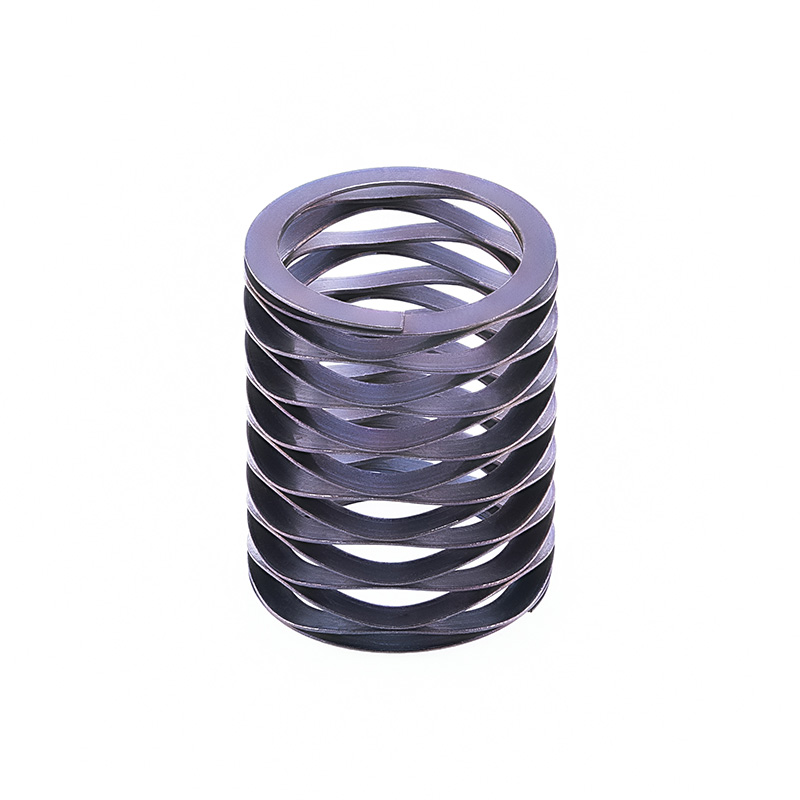
Anilhas onduladas are characterized by a thin, circular shape that features one or more waves along its circumference. These waves function as a spring that presses in the direction of the applied force,
Main characteristics include:
Generation of lateral loads
Shortened axial height
Constant spring rate
The capacity to mitigate the effects of tolerance buildup
Wave washers are typically composed of stainless steel, carbon steel, or specialized alloys that are tailored to the application requirements.
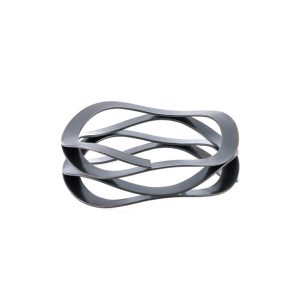
Wave Washers User Reviews
Review 1: The design of the wave is intended to provide constant elasticity, vibration damping, anti-shredding, and takes up little space; this is ideal for mechanisms that are space-limited.
Review 2: Sometimes exact size selection is necessary; it may not have the same effectiveness as other spring washers in high-stressed or rapid dynamic systems.
Review 3: Provides a consistent preload force, effective vibration damping, and an anti-shifting effect in moderate to lightweight systems.
Review 4: Easy to install and takes up little space.
Review 5: When used as intended and with the appropriate size, wave washers are effective; however, they are not necessarily the most efficient. Careful consideration should be given to the load, material, and installation environment when selecting a tool.
Why Industries Choose Wave Washers Over Traditional Springs?
Industries prefer wave washers because they:
Reduce the number of parts
Preserve the axial dimension
Reduce the complexity of assembly
Increase the consistency of the load
Minimize the effects of vibrations on the structure
In high-volume manufacturing, replacing multiple components with a single wave washer can have a significant impact on cost and complexity.
Core Functional Roles of Wave Washers
Before studying specific industries, it’s crucial to understand the primary functions that wave washers fulfill:
Maintaining a preload of the axial origin
Absorbing the shock and vibrations
Advantages and disadvantages of compensating for thermal expansion
Reducing rattles and noise
Maintaining consistent bearing or component placement
These capabilities are common across mechanical devices.
Indústria automobilística
-
Why the Automotive Industry Invests in Wave Cleaning?
The automotive industry is dependent on wave washers because of their stringent requirements regarding durability, resistance to vibrations, and compact packaging. Modern vehicles have thousands of mechanical components that are operating under constant motion and temperature cycling.
Wave washers are frequently employed to:
Bearings that are preloaded
Maintain the tension in assemblies that rotate.
Reduce the noise and rattles.
-
Typical automotive uses
Electric motors that are assemblies of multiple parts
Components of transmission
Directional systems
HVAC components
Mechanisms for adjusting seats
As more vehicles become electric, the demand for components that save space continues to increase.
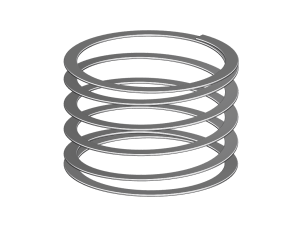
Electronics and Electrical Industry
-
Low-profile Design Requirements
Electronics manufacturers have to operate in a highly restricted space. Wave washers are beneficial because they provide minimal space with spring force.
Electronics’ applications
Printed circuit boards (PCBs)
Preload systems that connect to other systems.
Motor housings
Switching mechanisms
In consumer electronics, wave washers facilitate increased reliability while also supporting thin device configurations.
-
Industrial machinery and equipment
Heavy-Duty Utilizations
Mechanical machinery associated with industry often has a continuous supply of cycles and vibrations. Wave washers are employed to maintain a consistent amount of preload and reduce the wear associated with it.
Common Use Cases
Gearboxes
Pump components
Providing shelter
conveyor systems
In these scenarios, wave washers have a positive impact on the life span and reduce the need for maintenance.
Medical Device Industry
-
Accuracy and Dependability
Medical devices are prone to error, require precision, and are dependable. Wave washers are frequently employed because they provide a controlled amount of force with limited space requirements.
-
Medical Utilities
chirurgical tools
Diagnostic tools
Implantable device housings
Pump-based medical devices
Stainless steel wave washers are typically used for their corrosion resistance and biocompatibility attributes.
Renewable Energy Industry
-
Exponential Demand
As alternative energy sources become more popular, wave washers are increasingly employed in wind power plants, solar-powered tracking systems, and storage devices for energy.
-
Functional Benefits
Damping of vibrations
Compensating for thermal expansion
Constant long-term stress
These attributes endorse the dependability of infrastructure associated with harsh environments.
Robotics and Automation Industry
-
Precision Motion Control
Robotics devices require precise placement and reproducible motion. Wave washers facilitate the removal of the backlash and maintain a consistent load in the axial direction.
-
Common Users
Submersible motors
Linear motion actuators
Assemblies that are jointed
As automation becomes more diminutive, wave washers become more paramount.
Consumer Products and Appliances
-
Cost-Efficient Performance
Wave washers are commonly utilized in consumer appliances because they reduce the number of parts and the time needed to assemble them.
-
Examples
Washing machines
Power tools
Small generators
Domestic appliances
Their versatility causes them to be popular for large production.
Indústria de Petróleo e Gás
-
Extremely harsh conditions
In oil and gas machinery, components are subject to pressure, vibrations, and temperature changes. Wave washers facilitate the maintenance of a preload in these situations.
-
Common Examples
Valve combinations
Pump systems
Instrumentation enclosures
Alloys that are specially designed are often employed to address requirements for corrosion resistance.
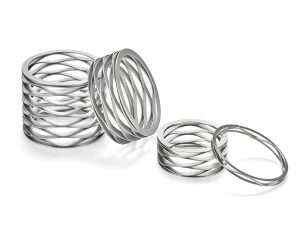
Comparison Table: Industries and Typical Wave Washer Applications
| Indústria | Aplicações típicas | Key Benefits of Wave Washers |
| Automóvel | Motors, transmissions, HVAC | Vibration resistance, space saving |
| Aeroespacial | Avionics, actuators | Lightweight, load consistency |
| Eletrónica | PCB assemblies, connectors | Compact preload |
| Dispositivos médicos | Pumps, instruments | Precision, reliability |
| Máquinas industriais | Gearboxes, bearings | Load stability |
| Energias renováveis | Wind turbines, trackers | Durabilidade |
| Robotics | Actuators, joints | Backlash reduction |
Common Misconceptions About Wave Washers
Wave washers are small, spring-like components that are commonly used in mechanical combinations, but they are often misinterpreted. These misconceptions can cause the selection of the wrong items, poor performance, or early failure.
Misconception 1: The Same As Flat Washers, Wave Washers Are Also Similar
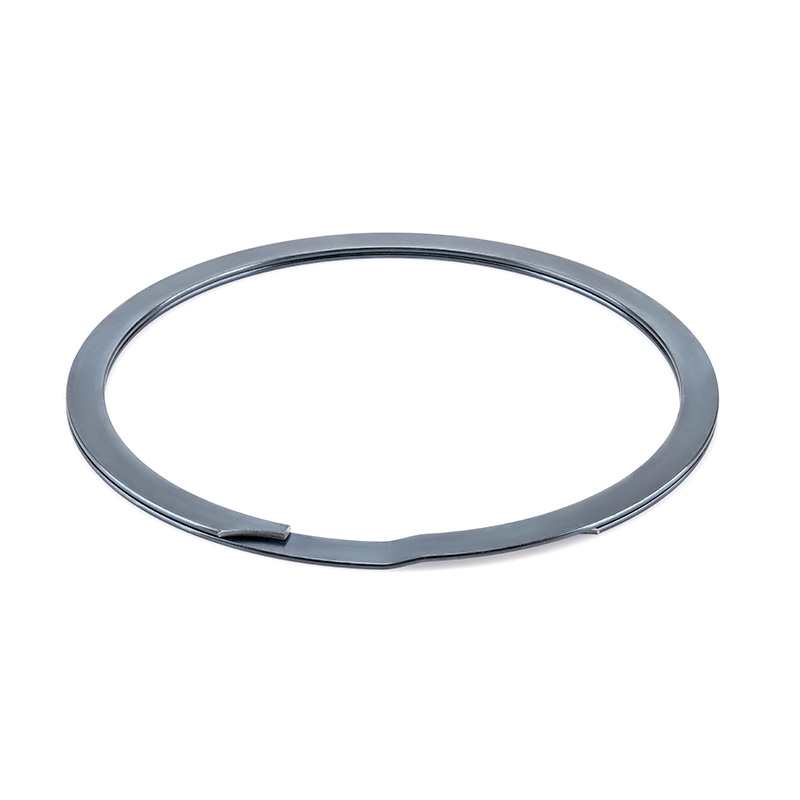
Wave washers are similar to spring washers, rather than load distribution washers.
Flat scrubbers spread the load and shield the surface.
Wave washers offer a controlled amount of pressure and preload.
Using a wave washer as a flat washer impairs its intended function.
Misconception 2: Wave Washers are Only for Light Density
While wave washers are small, they can provide a significant amount of spring pressure in a limited space.
Multiwave configurations increase the capacity forload.
The selection of material and thickness has a significant impact on performance.
They’re frequently employed in locations that have space limitations that prevent the use of coil springs.
Misconception 3: One Washer’s Fate Is Also Itself-Appening
The variety of wave washers is wide:
Number of waves
Free height and initial spring rate
Substance (alloys of carbon, stainless steel, and specialty metals)
Selecting the wrong configuration can lead to insufficient preload or too much stress.
Falsehood 4: Wave washers do not require calculations regarding engineering
Wave washers are components that are precision-designed.
The mechanical properties of the load must be compatible with the application it is intended for.
Incorrectly preloading can cause the components to loosen or be damaged.
Effective design calculations that are accurate ensure dependable performance.
Misconception 5: Wave Washers are not appropriate for Dynamic Use.
Wave washers have a successful performance in dynamic environments when properly specified.
They are capable of absorbing vibrations and thermal expansion.
They consistently maintain the same preload over the long haul.
The selection of material and the fatigue resistance are both important factors.
Misconception 6: Theaterial’s Choice Is Not Essential
The selection of material affects the following:
Corrosion resistance
Temperature acceptance
Life’s fatigue
Stainless steel or other specialty metals are often employed in harsh or high-temperature environments.
Misconception 7: Wave washers are unable to be altered
Wave washers have a high degree of customization regarding this:
Diameter and thickness
Load range and spring rate
The final surface and material used.
Customization increases performance and extends the lifespan of services.
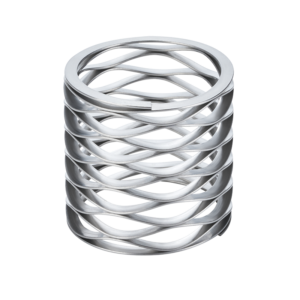
FAQ: Wave Washers
Q1: What industries have a lot of use for wave washers?
Wave washers are popular in the automotive, aerospace, electronics, medical devices, industrial machinery, and renewable energy industries.
Q2: What is the reason for choosing wave washers over flat washers?
Wave washers have a spring-like force and a preload, while flat washers lack these properties.
Q3: Can wave washers substitute for coil springs?
In applications with low load, space limitations can be overcome by using wave washers to replace coil springs.
Q4: Can wave washers withstand high vibrations?
Yes. Wave washers are intended to specifically deal with vibrations and maintain their preload.
Q5:Do wave washers need special care?
No. When appropriately described, wave washers are components that don’t require maintenance.
Conclusão
What industries utilize wave washers in their operations? The answer covers nearly every area of modern manufacturing that involves controlling the preload, resistance to vibrations, and space efficiency. From cars and space to electronics, medical devices, and renewable energy, wave washers have become a fundamental component that supports compact, reliable, and cost-effective designs. Their capacity to provide consistent spring pressure in limited space will guarantee their continued importance as industries seek to improve their performance and reduce their design requirements.

 Portuguese
  English
  Chinese
  Dutch
Dutch  French
  German
  Italian
  Japanese
  Korean
  Russian
  Spanish