
Wave springs are widely used in various engineering applications, providing a compact and efficient solution for managing axial loads and supporting components. One crucial element in the design and functionality of wave springs is the use of shim ends. These small but essential components play a significant role in enhancing the overall performance and reliability of wave springs. In this article, we will explore the key benefits of shim ends in wave springs, shedding light on their importance in different industrial applications.
Introduction to Wave Springs
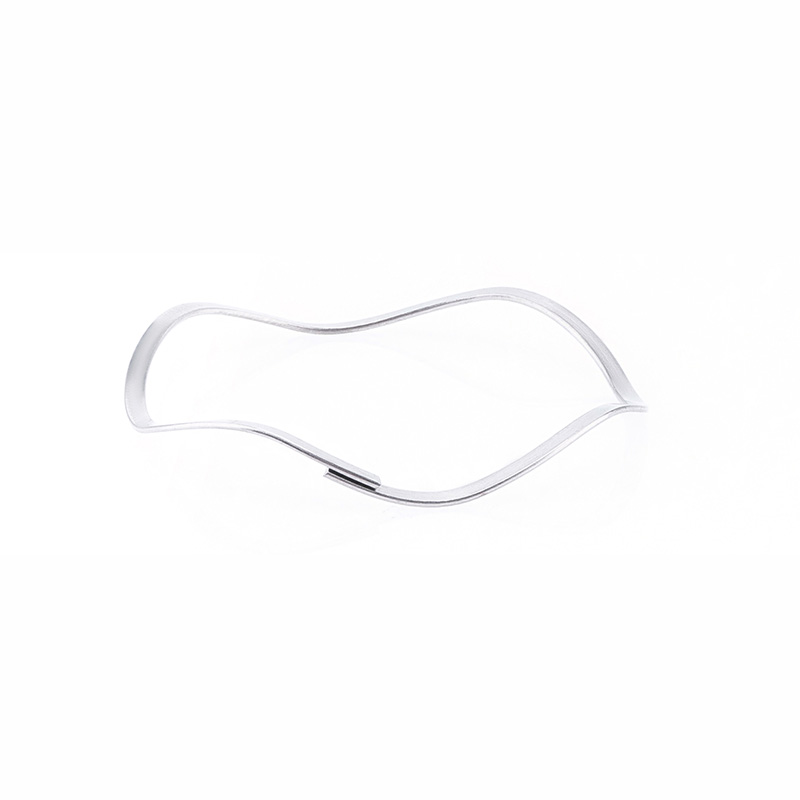
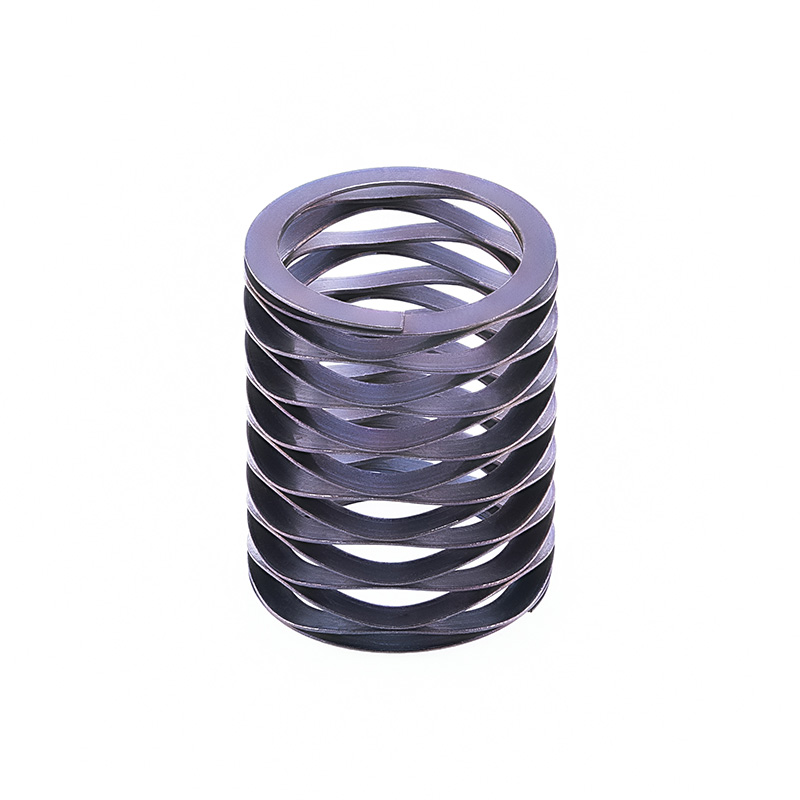
Before delving into the benefits of shim ends, let’s first understand what wave springs are and their general applications. Wave springs are a type of compression spring that is characterized by a wavy or corrugated design. Unlike traditional coil springs, wave springs offer a more compact and space-efficient solution for applications with limited axial space.
Wave springs are used in various industries, including automotive, aerospace, medical devices, and industrial machinery. Their ability to provide high force in a small space makes them suitable for applications where size and weight are critical factors. Now, let’s explore how shim ends contribute to the effectiveness of wave springs.
Understanding Shim Ends in Wave Springs
Shim ends are small, thin, flat components that are typically placed at the ends of wave springs. These shims serve multiple purposes, contributing to the functionality, stability, and overall performance of wave springs. The following are key benefits associated with the use of shim ends in wave springs:
1. Improved Axial Stability
One of the primary benefits of shim ends in wave springs is the enhanced axial stability they provide. The wavy design of wave springs inherently allows for axial movement, and the addition of shim ends helps control and limit this movement. By minimizing lateral displacement, shim ends ensure that the spring maintains its axial alignment, preventing misalignment issues that could lead to performance degradation or component failure.
2. Enhanced Load Distribution
Shim ends play a crucial role in distributing loads evenly across the wave spring. As the spring undergoes compression and expansion cycles, the shims help distribute the applied load uniformly, preventing localized stress concentrations. This even load distribution contributes to the longevity of the wave spring, reducing the risk of fatigue failure and ensuring consistent performance over time.

3. Mitigation of Side-Loading Effects
In certain applications, wave springs may experience side-loading forces that can adversely affect their performance. Shim ends act as protective barriers, mitigating the effects of side-loading by providing additional support and preventing the spring from deviating from its intended axial path. This is particularly important in situations where the spring is subjected to dynamic or fluctuating loads.
4. Precision and Tolerance Control
Shim ends contribute to the precision and tolerance control of wave springs during the manufacturing process. The inclusion of shims allows for fine-tuning of the spring’s dimensions and characteristics, ensuring that it meets the specified requirements with high accuracy. This precision is vital in applications where tight tolerances are essential for proper functioning.
5. Reduction of Wear and Fatigue
The presence of shim ends helps reduce wear and fatigue within the wave spring. As the spring undergoes repeated cycles of compression and expansion, the shims act as protective layers, preventing direct contact between coils and minimizing friction. This reduction in wear and fatigue enhances the overall durability of the spring, extending its service life in demanding operational conditions.
6. Versatility in Design
Shim ends offer designers greater flexibility in tailoring wave springs to specific application requirements. The ability to adjust the size, shape, and material of the shims allows for customization, making it possible to optimize the performance of wave springs for diverse industrial applications. This versatility in design ensures that wave springs can be effectively integrated into a wide range of systems and devices.
Conclusion
In conclusion, shim ends play a crucial role in enhancing the performance and reliability of wave springs in various engineering applications. From improving axial stability to enhancing load distribution and mitigating side-loading effects, the benefits of shim ends contribute to the overall efficiency and longevity of wave springs. Designers and engineers continue to leverage the advantages of shim ends to optimize the design and functionality of wave springs for diverse and demanding applications across industries. As technology advances and engineering challenges evolve, the role of shim ends in wave springs is likely to remain a key focus for innovation and improvement in the field of mechanical and structural engineering.
Related Products

 English
  Chinese
  Dutch
Dutch  French
  German
  Italian
  Japanese
  Korean
  Portuguese
  Russian
  Spanish