
When most people think about what keeps an airplane safely in the sky, they imagine powerful jet engines, advanced flight control systems, or the aerodynamic shape of the wings slicing through the air.
What few realize is that some of the smallest components play a huge role in ensuring everything works smoothly.
Among these unsung heroes are molas onduladas e anéis de retenção em espiral — compact components that quietly support the complex mechanisms inside every aircraft. Though they may go unnoticed, without them, an airplane’s safety, efficiency, and reliability would be greatly compromised.
Molas de onda – Precision Elasticity in Compact Form
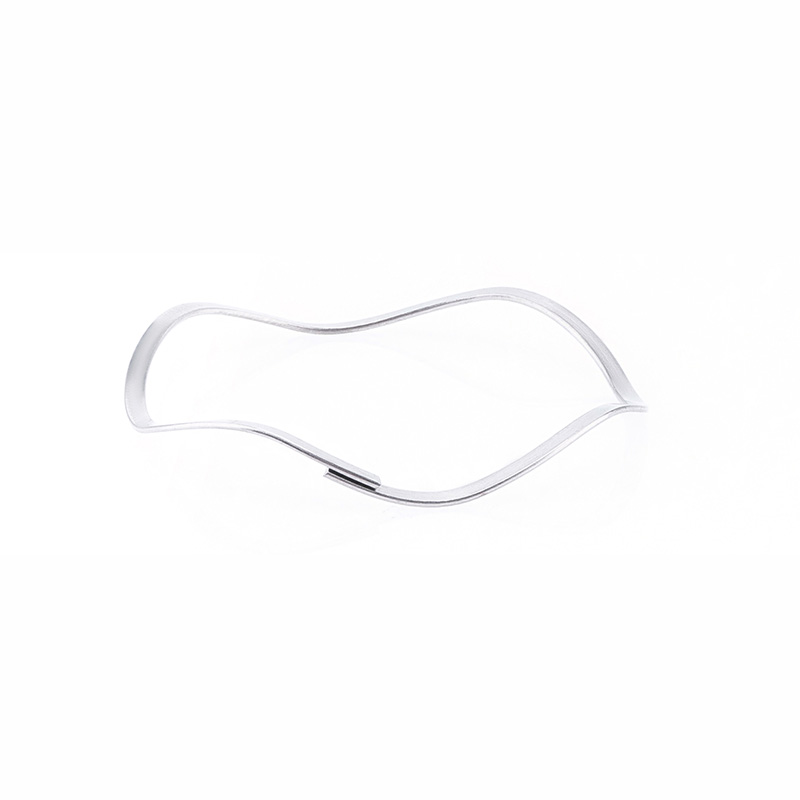
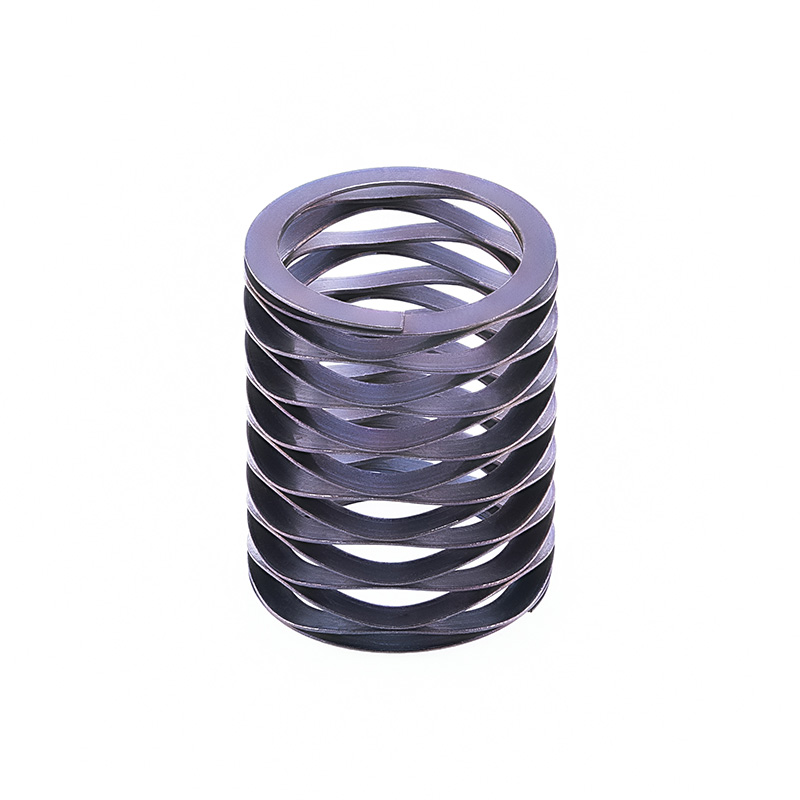
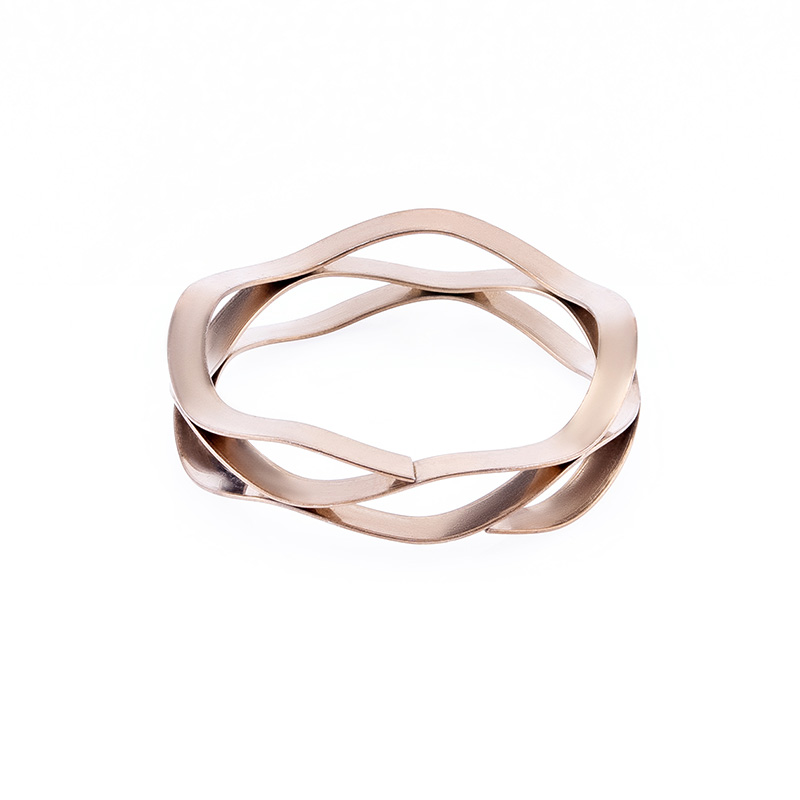
A wave spring is a flat-wire compression spring with a wavelike structure, designed to deliver precise force in limited axial space. Compared to traditional round-wire coil springs, wave springs can achieve the same load capacity while saving nearly 50% of the installation space — a key advantage in modern aircraft projeto where every millimeter matters.
Their core functions include:
-
Axial preload and gap compensation for precise assembly;
-
Vibration damping and shock absorption to protect sensitive components;
-
Seal loading and pressure control in high-performance systems.
Wave springs enable stable, controlled motion and elastic support across critical aerospace mechanisms, from actuators to valve systems.
Anéis de retenção em espiral – Secure Positioning You Can Rely On
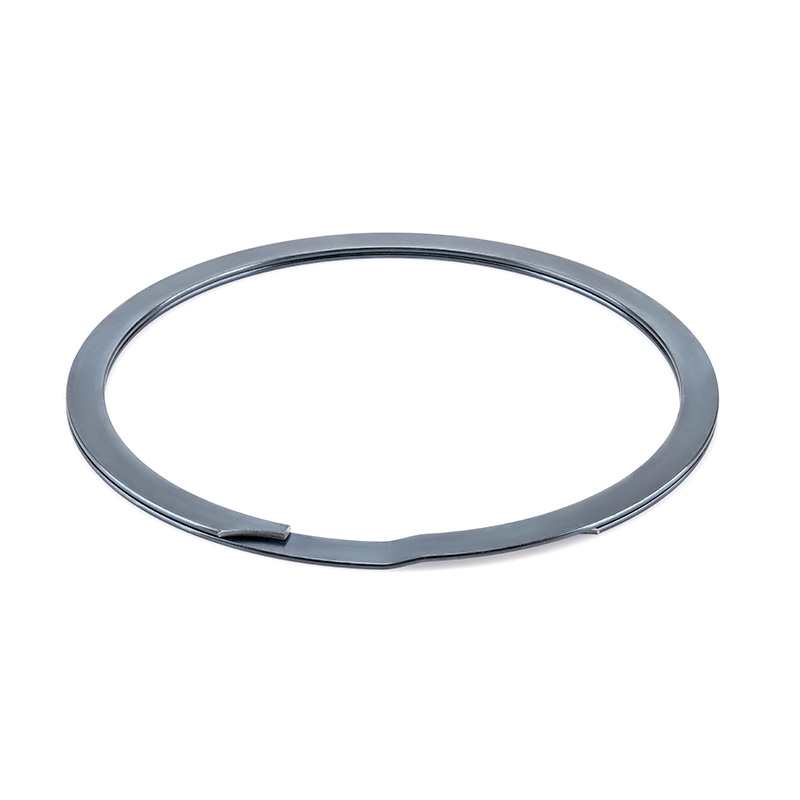
Spiral retaining rings are circular fasteners designed to fit into grooves on shafts or inside bores, preventing axial movement of components. Despite their small size, they offer exceptional strength and reliability under vibration and high-load conditions.
Their main functions include:
-
Axial retention and secure positioning of parts;
-
Simplified assembly and lightweight design without the need for traditional fasteners;
-
Loosening prevention for enhanced operational safety.
In aircraft, these rings are the hidden safeguard that keeps everything tightly in place even under extreme conditions.
Where They’re Found: From Nose to Tail
Thanks to their versatility and space-saving advantages, wave springs and retaining rings are widely used across aircraft systems, including:
-
Landing gear – load management and vibration control
-
Intake valves – smooth movement and alignment precision
-
Engines – bearing preload and thermal expansion compensation
-
Crew rest areas – quiet, smooth seat adjustments
-
Passenger seats – compact motion control and secure locking
-
Cabin serviço units – reliable component retention
-
Wing mechanisms – high-load performance under shock
-
Avionics & electrical bays – secure mounting of connectors and sensors
From the cockpit to the tail, these small components ensure every system works in perfect harmony — like the gears of a finely tuned clock.
Controlling Vibration, Enhancing Stability
Aircraft systems constantly face vibration, air turbulence, and rapid pressure changes.
Wave springs help absorb these shocks and minimize vibration, allowing precision assemblies such as gear drives and actuators to operate quietly and efficiently.
The result is not only greater passenger comfort, but also extended component life e reduced maintenance costs.
Aerospace-Grade Precision Manufacturing
Every part that enters an aircraft must meet the highest standards of safety and reliability.
Aerospace-grade wave springs and retaining rings are produced under AS9100 e ISO 9001 certified systems, ensuring tight tolerances, consistent performance, and full traceability.
Through rigorous qualidade control and advanced manufacturing processes, these components meet the most demanding aerospace requirements — where failure is not an option.
Conclusão
Invisible to the naked eye but indispensable to performance, molas onduladas e anéis de retenção em espiral are the small components that keep every flight safe, efficient, and stable.
From managing micro-vibrations to maintaining perfect alignment under stress, they embody the precision and reliability that modern aviation depends on.
They may be small — but in the world of aerospace engineering, their impact is immense.
 Portuguese
  English
  Chinese
  Dutch
Dutch  French
  German
  Italian
  Japanese
  Korean
  Russian
  Spanish