
Bolts, screws, and nuts are defined as fasteners and though they are among the most critical components used in mechanical assemblies, additional components are often added to them under high conditions so that they can sustain their stability.
Gegolfde veerringen comprise one of the numerous highly efficient yet grossly neglected components. This article defines a golvende lente washer, discusses its manufacturing process, and gives the exact role it plays compared to ordinary spring washers.
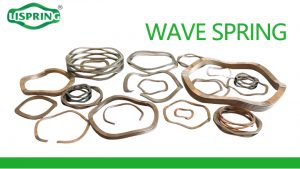
What Is a Wave Spring Washer?
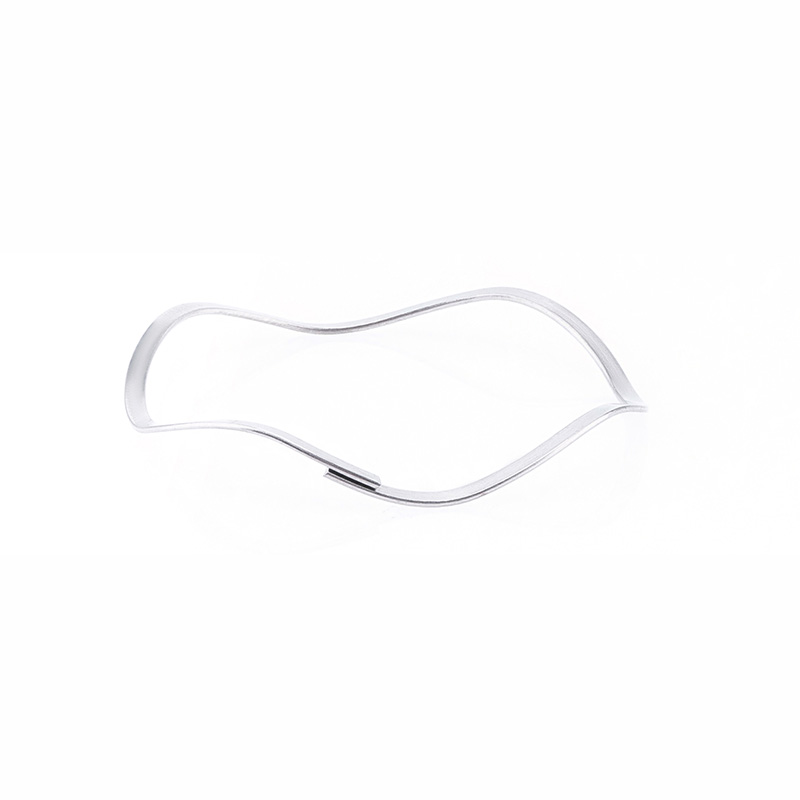
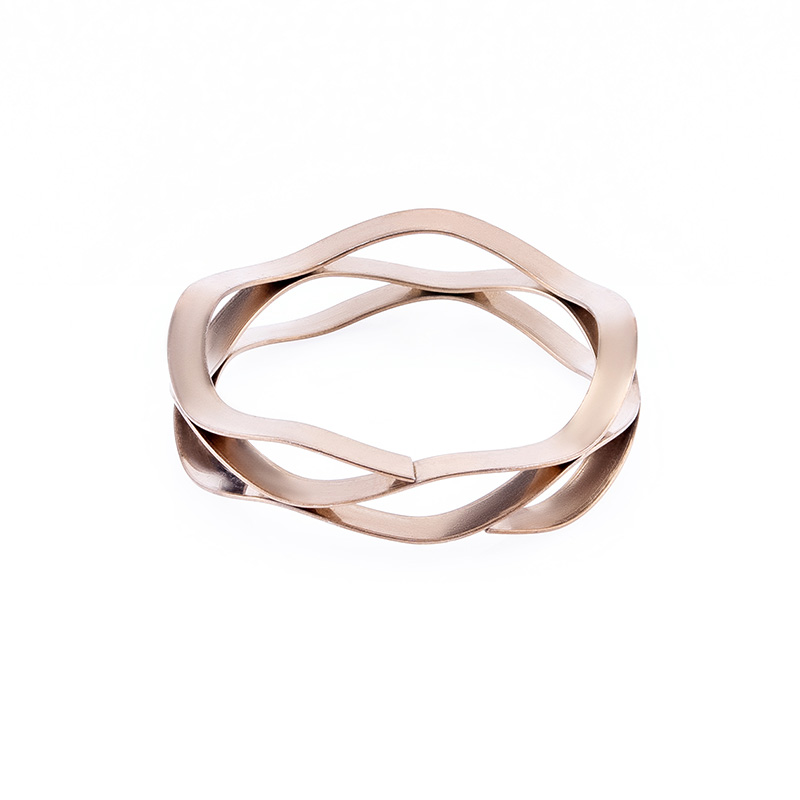
A wave spring washer is a thin, elastic metal washer with a wavy or corrugated design. Since flat washers offer no compression at all, only load distribution, compare them to wave washers.
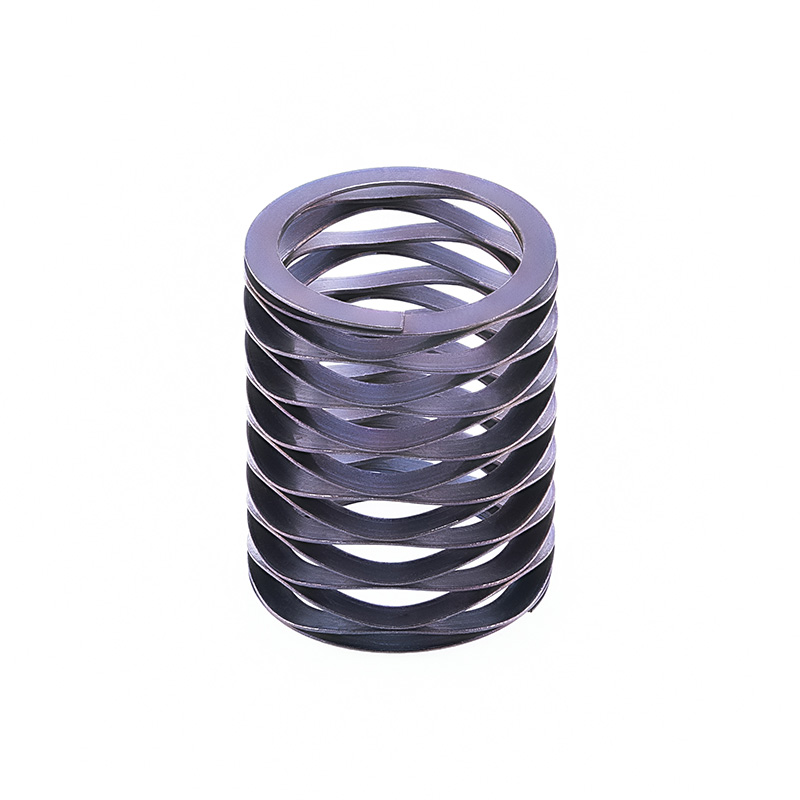
Multiple waves or curves are included by the circumference of a wave washer, which sits in the same outside diameter space as a flat washer but acts like a compression spring with very limited travel.
Key characteristics include:
- Elastic deformation capability – They compress and return to their original shape, maintaining tension in the assembly.
- Compact design – They offer spring functionality in applications with limited axial space.
- Load-bearing balance – They evenly distribute load to prevent loosening or damage.
These features make wave spring washers indispensable in applications where space, vibration, and load retention are major concerns.
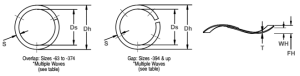
How Are Wave Spring Washers Manufactured?
The method of manufacture largely defines its performance. Two main techniques used are:
Stamping (pressing) This is the most common method especially when they are being produced in large quantities. Metal sheets are stamped using dies to create the wave pattern. It is cost-effective but elasticity may vary slightly due to tooling.
CNC Machining or Wire Forming Used for high precision or customized parts, it offers tighter tolerances and better consistency.
More expensive but perfect for industries needing tight kwaliteit, like aerospace or medical gear.
After making, washers often get heat steps to boost their springiness and tiredness strength.
Surface finishing, such as coating or painting is applied to add more corrosion resistance and life.
What Is the Purpose of a Wave Spring Washer?
The main purpose of the wave spring washer is to provide elasticity in a fastened joint. It does not allow the joined materials to relax when they expand, contract, or vibrate. Normal flat washers only depend on torque and friction. Wave washers maintain tension.
It serves the following specific purposes:
- Absorption of vibration and shock loads; maintaining consistent preload in assemblies;
- Prevention of bolts and screws from loosening;
- Reducing wear as well as noise in moving machinery.
- Make up for changes in dimension due to thermal expansion or settling.
Basically, wave spring washers are space-saving effective springs made in a washer form.
Wave Spring Washer vs. Ordinary Spring Washer
Although both types serve to maintain tension, they differ in structure and performance.
- Ontwerp
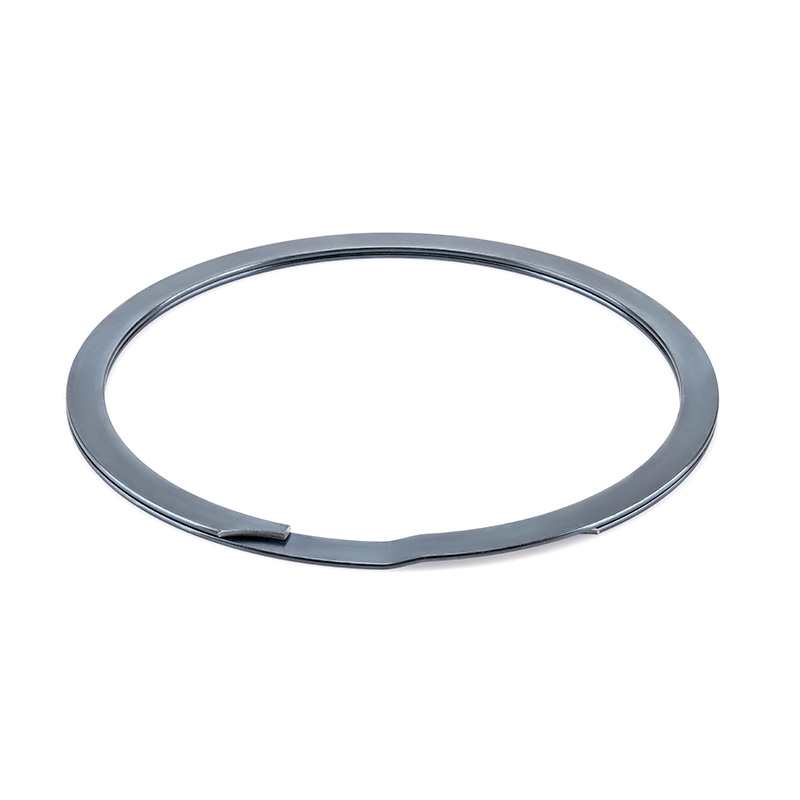
Wave spring washer: Corrugated shape with multiple waves.
Ordinary spring washer: Split ring design with one cut.
- Functionality
Wave spring washer: Absorbs load and provides cushioning.
Ordinary spring washer: Mainly prevents loosening by biting into surfaces.
- toepassingen
Wave spring washer: Used in precision assemblies, bearings, electronics.
Ordinary spring washer: Used in general bolted connections.
- Benodigde ruimte
Wave spring washer: Compact, suitable for tight axial spaces.
Ordinary spring washer: Requires more axial deflection space.

Suitable Applications and Working Conditions
Wave spring washers are commonly used in environments where tight space, vibration, and load fluctuations exist. Examples include:
- Automotive components – Gearboxes, clutches, steering systems.
- Aerospace equipment – Control mechanisms, avionics.
- Electronics – Circuit boards, connectors, and small assemblies.
- Industrial machinery – Pumps, compressors, and motors.
- Medical devices – Surgical instruments requiring precision load control.
They are particularly effective where repeated compression and release cycles occur.
Custom Sizes and Special Specifications
Yes, wave spring washers can be customized to meet unique design requirements. Manufacturers often offer:
- Non-standard diameters.
- Special thicknesses or wave counts.
- Exotic materials (Inconel, Hastelloy, stainless steel grades).
- Surface treatments like black oxide, zinc plating, or nickel coating.
This flexibility makes them highly adaptable for industries with specialized needs.
Industries That Rely on Wave Spring Washers
- Automotive – Noise reduction, load balancing, vibration control.
- Electronics – Compact cushioning for delicate assemblies.
- Medical – Precision tension in surgical instruments.
- Aerospace – Lightweight yet strong fastening solutions.
- Energy & Power – Turbines, pumps, valves requiring long dienst leven.
In these sectors, wave washers improve safety, reliability, and efficiency.
Can Wave Spring Washers Replace Lock Nuts?
Not directly. Wave washers are excellent at maintaining preload and damping vibration, but they are not always a complete substitute for mechanical locking devices like lock nuts.
Wave washers help reduce loosening but are best used in combination with lock nuts or thread-locking adhesives.
For critical safety components, combining locking devices is recommended.
Fatigue Failure and Lifespan
Like all spring elements, wave spring washers can experience fatigue failure after repeated loading cycles. Lifespan depends on:
- Materiaal selection – Stainless steel lasts longer in corrosive environments.
- Load level – Excessive compression accelerates fatigue.
- Operating environment – Heat, corrosion, or vibration shorten service life.
Typical service life ranges from tens of thousands to millions of cycles, depending on conditions.
Installation Convenience
To install a wave spring washer place it between the head of the fastener and surface, make sure to align waves properly.
Tighten gradually so as not to over-compress.
Since they are thin, and flexible, it is usually handy as compared to coil springs in compact designs.
Maintenance Guide for Wave Spring Washers
Inspection for cracks, or wear, or corrosion should be in a regular lubrication if it is a high-friction assembly because lubrication reduces wear.
Replacement schedule by load cycles.
Surface cleaning to avoid any buildup of dirt or chemicals.
This gives a steady performance and avoids sudden failure.
Wave Spring Washer FAQ
Q1: Are wave spring washers suitable for high-temperature, high-vibration, or corrosive environments?
Yes, but material choice matters. Stainless steel and Inconel are recommended for extreme conditions.
Q2: Which material has the highest market demand?
Carbon steel and stainless steel dominate due to cost-effectiveness and wide availability.
Q3: Which specifications sell best in the market?
Standard metric and inch sizes following DIN 137 or DIN 2093 are most commonly sold.
Q4: How do manufacturers ensure elasticity and fatigue life?
By using controlled heat treatment, precise tooling, and quality inspections such as load-deflection testing.
Q5: Do wave spring washers require surface treatments?
Yes. Options like zinc plating, black oxide, nickel coating, or anti-rust layers enhance durability.
Conclusie
Wave spring washers are used for provide elastic support, vibration damping, and steady preload in small assemblies. Where space permits though not as common as regular spring washers, wave washers find the best of their applications in areas with limitation of space together with a demand for high precision.
They cannot always replace mechanical locking devices but they do help stability and add life to components. From cars to planes, and gadgets to power, wave spring washers have shown their worth as tiny yet key parts in modern engineering. With the right material choice, exact making, and care, they offer long life and steady work across fields.
 Dutch
Dutch  English
  Chinese
  French
  German
  Italian
  Japanese
  Korean
  Portuguese
  Russian
  Spanish