
Abstract:
In mechanical fastening systems, preload control and vibration resistance are critical to joint integrity.
Elastic elements like washers are employed to sustain clamping force, offset thermal expansion, and minimize loosening under dynamic loads, as outlined in the joint design principles in Mechanical Engineering Design by Joseph Edward Shigley and the bolted joint behavior analysis published by the American Society of Mechanical Engineers. The spring washer and the wave washer are commonly specified among these elastic components, but they are often misunderstood.
While both serve preload and vibration-control functions, their geometry, load-deflection characteristics, installation contexts, and performance behaviors differ significantly.
This detailed 2026 technical guide covers the structural mechanics, engineering uses, materiaal choices, fatigue properties, installation instructions, and cost factors of spring washer En golvende wasmachine solutions.
Fundamental Definitions: Spring Washer vs. Wave Washer
Before comparing performance, it is essential to define both components accurately within mechanical fastening systems.
What Is a Spring Washer?
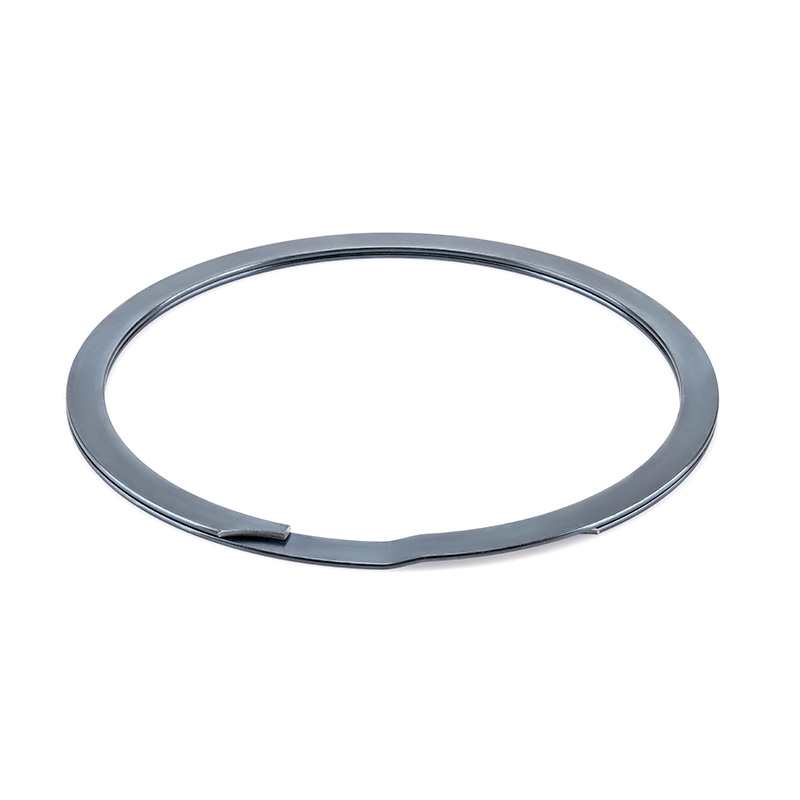
A spring washer is usually a helical split washer, also known as a split lock washer, or another type of elastic washer designed to exert axial spring force when compressed. The most common form is the split lock washer, which has a cut and twisted ring shape that helps prevent loosening caused by vibration.
Core characteristics include:
- Axial spring tension.
- Bite effect against mating surfaces.
- Anti-loosening function.
- Designed for bolted joints.
Spring washers are often used in construction equipment, heavy machinery, and general industrial assemblies.
What Is a Wave Washer?
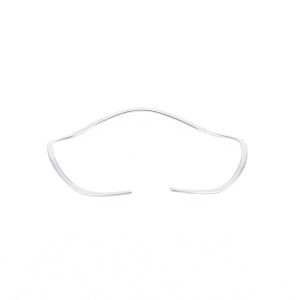
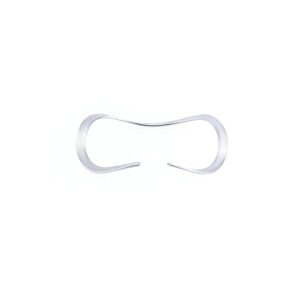
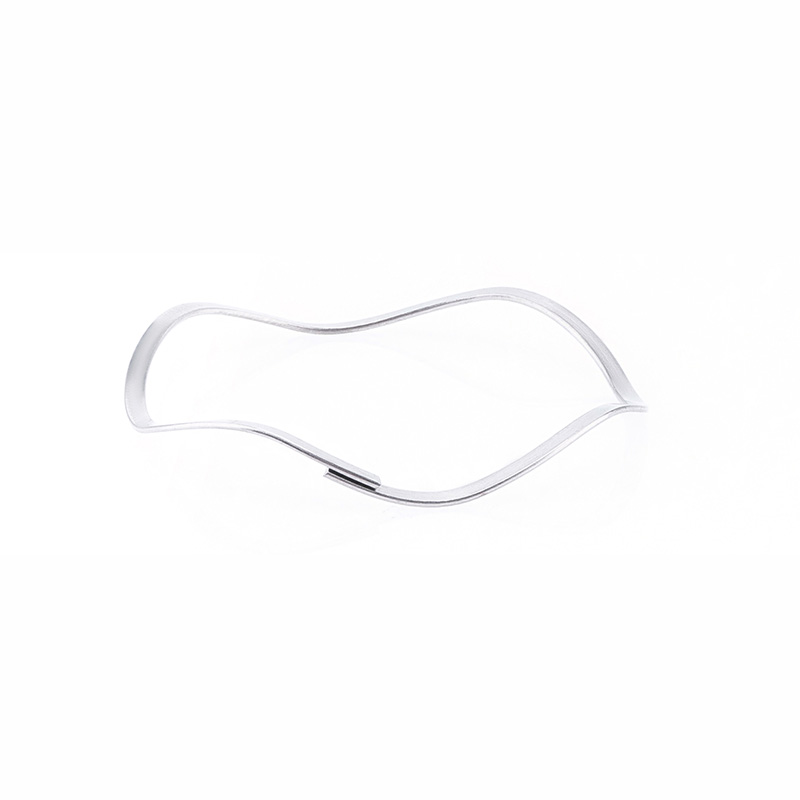
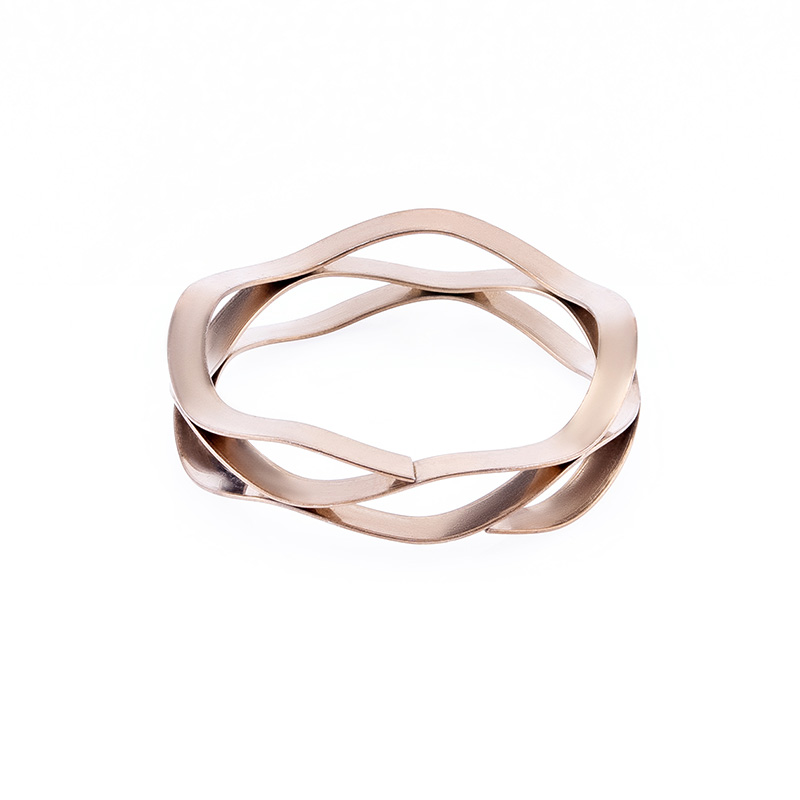
A wave washer is a flat washer with multiple waves formed along its circumference, creating controlled axial spring deflection under load.
Unlike split lock washers, wave washers do not rely on surface biting; instead, they provide consistent preload within a limited axial space.
Key features include:
- The sinusoidal wave profile
- A controlled load-deflection curve
- A compact axial height
- Smooth preload application
Wave washers are widely used in precision assemblies such as automotive transmissions, electric motors, aerospace components, and bearing preload systems.
Geometry and Structural Differences
Geometry directly determines mechanical behavior.
Structural Comparison
|
Functie |
Spring Washer | Golfwasmachine |
|
Basic Shape |
Split helical ring | Flat ring with waves |
|
Locking Mechanism |
Surface friction & biting | Elastic axial preload |
| Contact Surface | Uneven |
Even, continuous |
| Belastingverdeling | Concentrated points |
Uniform circular load |
| Typical Application | General bolted joints |
Precision assemblies |
The spring washer’s split design generates localized pressure, while the wave washer distributes force more evenly across mating surfaces.
Load-Deflection Characteristics
Understanding load-deflection curves is essential for selecting the appropriate washer type.
- Spring washers typically provide high initial preload but have a limited deflection range. Their effectiveness depends on maintaining friction and compression within the joint.
Limitations include:
- Reduced performance after repeated compression
- Potential surface damage
- Less predictable spring constant
- Wave washers are designed to offer predictable spring rates. The load capacity is influenced by the number of waves.
- More waves → Lower spring rate, greater flexibility
- Fewer waves → Higher spring rate
Wave washers are ideal when space constraints demand controlled deflection within limited axial clearance.
Mechanical Performance Comparison
|
Performance Factor |
Spring Washer | Golfwasmachine |
|
Spring Rate Control |
Limited | Precisely engineered |
|
Axial Space Requirement |
Matig | Minimal |
| Vibration Resistance | Matig |
High (in preload systems) |
| Fatigue Life | Matig |
High (when properly designed) |
| Precision Applications | Limited |
Excellent |
Wave washers outperform spring washers in applications requiring precise preload calibration.
Functional Differences in Application
-
Spring Washer
toepassingen
Common uses include:
- Structural steel assemblies
- Heavy machinery
- Construction equipment
- Automotive chassis components
Spring washers primarily prevent bolt loosening caused by vibration.
-
Wave Washer Applications
Wave washers are often used for:
- Bearing preload
- Shaft assemblies
- Electric motor housings
- Aerospace components
- Medical equipment
Their compact profile allows for high-performance applications where axial space is limited.
Material Selection and Surface Treatments
Both washer types are made from different materials based on load needs.
Common Materials:
- Koolstofstaal
- Stainless steel
- Alloy steel
- Fosforbrons
- Inconel (high-temperature environments)
Wave washers used in aerospace may require corrosion-resistant alloys and heat treatment processes for improved fatigue life.
Material Comparison
|
Materiaal |
Typical Use in Spring Washer | Typical Use in Wave Washer |
|
Koolstofstaal |
General industrial | Moderate load systems |
|
Stainless Steel |
Corrosion resistance |
Marine & precision systems |
| Alloy Steel | Heavy load |
High stress precision |
| Fosfor Brons | Rare |
Electrical assemblies |
Material selection significantly affects lifespan and environmental resistance.
Installation Considerations
-
Structural Design Differences
Spring Washer (Split Lock Washer)
It features a helical split ring design.
Its sharp edges bite into mating surfaces.
It provides locking resistance through friction.
Primary function:
It prevents loosening caused by vibration.
Golfwasmachine
It has a multi-wave sinusoidal profile.
It generates axial spring force.
It allows controlled deflection under compression.
Primary function:
It maintains preload and absorbs axial movement.
-
Installation Complexity
Spring Washer
Voordelen:
- It offers simple drop-in installation.
- It has no orientation sensitivity.
- It is compatible with standard bolts.
Limitations:
There is a risk of surface damage due to sharp edges.
It is less effective in high-precision assemblies.
Golfwasmachine
Voordelen:
- It requires a compact axial space.
- The spring rate is predictable.
- It is suitable for precision assemblies.
Considerations:
- Accurate sizing is required.
- It must match load-deflection requirements.
- Wave washers are more sensitive to dimensional tolerances.
- Space Requirements
Spring washer:
- It has a minimal radial footprint.
- It has limited axial deflection.
Wave washer:
- It is designed for axial load control.
- It is ideal where axial space is constrained.
In compact assemblies, wave washers are often preferred.
Fatigue and Longevity
Performance under repeated load cycles is a key differentiator.
- Belastingsgedrag
Spring Washer: relies on friction locking, has limited elastic deflection, and can flatten permanently under high load.
Wave Washer: features an engineered spring characteristic, a predictable load-deflection curve, and maintains preload over cycles.
Wave washers typically perform better in dynamic axial applications.
- Weerstand tegen vermoeiing
Spring washer fatigue risks include crack initiation at split, plastic deformation, and loss of locking tension.
Wave washer fatigue resistance is due to distributed stress across waves, leading to better performance in cyclic compression and a longer service life in controlled-load systems.
Material selection (carbon steel vs stainless steel vs alloy steel) greatly influences fatigue performance.
- Vibration Resistance
Spring washer:
- Engineered specifically to prevent bolt loosening
- Appropriate for moderate vibration
Wave washer:
- Absorbs movement
- Maintains axial force
- Not primarily designed for anti-rotation locking
If vibration loosening is the main concern, spring washers may be more appropriate.
Cost and Procurement Considerations
Cost evaluation should consider both the unit price and the lifecycle value.
- Unit Cost
Spring washers are generally more economical per unit, being lower in cost, mass-produced, and widely available.
Wave washers tend to have a higher cost due to precision forming, but they allow for custom load specifications and require more specialized inventory.
- Customization Requirements
Wave washers often need a custom spring rate, specific material grade, and tight dimensional tolerances, which may increase procurement lead times.
Spring washers usually adhere to standard DIN/ISO dimensions.
- Lifecycle Cost Impact
Spring washers have a lower upfront cost but may require replacement due to deformation.
Less suitable for precision load retention.
Wave washer:
- It has a higher initial cost.
- It offers better long-term load consistency.
- It reduces maintenance in dynamic systems.
In precision assemblies, wave washers may provide a better ROI.
- Supply Chain Factors
Procurement teams should evaluate:
- Materiaal certificering.
- Heat treatment quality.
- Corrosion resistance coatings.
- Compliance with mechanical standards.
Stainless steel variants are common in corrosive environments.
Cost & Commercial Comparison
|
Factor |
Spring Washer | Golfwasmachine |
|
Unit Cost |
Laag | Matig |
| Engineering Customization | Minimal |
High |
| Inventory Variety | Standard sizes |
Custom configurations |
| Market Segment | General industrial |
Precision OEM |
Industry Trends in 2026
Fastener technologies are continuously advancing alongside automation and lightweight engineering.
- Lightweight System Design
Wave washers are being used more frequently in:
- Electric vehicles
- Aerospace components
- Robotics
- Compact electronic assemblies
Their space-efficient profile matches the trend toward miniaturization.
- Geavanceerde materialen
There is an increasing use of:
- High-strength stainless alloys
- Corrosion-resistant coatings
- Custom spring steels
Surface treatments that enhance fatigue performance.
- Automation-Ready Components
Manufacturers are creating washers that are compatible with:
- Automated assembly lines
- Robotic fastening systems
- High-speed torque-controlled installation
Dimensional precision is becoming increasingly important.
In certain industries, spring washers are being substituted with:
- Prevailing torque nuts
- Thread-locking adhesives
- Serrated flange fasteners
However, they remain common in general mechanical applications.
When to Choose Each Type?
Selection depends on primary function.
Choose Spring Washer When:
✔ Vibration resistance is the primary goal.
✔ Cost sensitivity is high.
✔ Assembly precision is moderate.
✔ Space constraints are not extreme.
✔ Standard bolt locking is required.
Common applications:
- Automotive repair
- General machinery
- Structural fastening
- Maintenance operations
Choose Wave Washer When:
✔ Controlled axial preload is required.
✔ Space is limited.
✔ Cyclic compression occurs.
✔ Precision load retention matters.
✔ Lightweight design is critical.
Common applications:
- Bearings
- Electric motors
- Gear assemblies
- Aerospace systems
- Electronic devices
Comparison Summary
|
Factor |
Spring Washer | Golfwasmachine |
|
Primary Function |
Anti-loosening | Axial preload |
|
Kosten |
Onder | Higher |
| Fatigue Performance | Matig |
High (controlled load) |
| Ruimte-efficiëntie | Matig |
Excellent |
| Precision Suitability | General |
High-precision |
FAQ Section
- Are spring washer and wave washer interchangeable?
No. They serve different mechanical functions and have distinct load-deflection characteristics.
- Which washer provides better vibration resistance?
Wave washers provide better controlled preload, but spring washers offer basic vibration resistance in general assemblies.
- Can wave washers replace lock washers?
In precision assemblies requiring preload control, yes. However, they do not create surface biting like lock washers.
- Which washer lasts longer?
Wave washers generally offer longer fatigue life when engineered correctly.
- Are wave washers more expensive?
Yes, due to precision manufacturing and performance optimization.
Conclusie
The difference between a spring washer and a wave washer lies in geometry, mechanical behavior, load distribution, and application suitability.
Spring washers depend on friction and edge pressure to prevent loosening in typical industrial assemblies. In contrast, wave washers offer controlled axial preload in confined spaces, making them suitable for precision engineering settings.
In 2026, choosing the appropriate washer type for modern mechanical design necessitates an understanding of joint mechanics, load-deflection curves, fatigue behavior, and installation context.
Applying these principles allows engineers and procurement managers to greatly improve joint reliability, performance stability, and lifecycle cost efficiency.
 Dutch
Dutch  English
  Chinese
  French
  German
  Italian
  Japanese
  Korean
  Portuguese
  Russian
  Spanish