
With the rapid development of intelligent driving and autonomous driving technologies, LiDAR has become the core component of automotive perception systems. By performing high-precision laser scanning, LiDAR acquires real-time 3D environmental information, enabling autonomous navigation and safe decision-making for vehicles. In this process, the stability and precision of mechanical structures directly affect the measurement performance of LiDAR. Lispring’s wave springs, with their unique 설계 advantages, play a critical role in automotive LiDAR applications.
1. Why Choose Wave Springs?
Traditional round-wire compression springs or disc springs often face the following challenges in precision optoelectronic equipment:
-
Large size, occupying valuable installation space and limiting LiDAR miniaturization.
-
Uneven load distribution, which affects the positioning accuracy of optical components.
-
Limited fatigue life, leading to reduced reliability under long-term vibration and temperature fluctuations.
In contrast, Lispring wave springs, wound from flat wire, offer outstanding benefits:
-
Space-saving: Under the same load conditions, working height can be reduced by up to 50% compared to traditional coil springs.
-
High-precision control: The force–deflection curve is more linear, ensuring stable positioning of optical components under load.
-
Lightweight design: Weight reduction of up to 70%, contributing to the overall lightweight design of LiDAR modules.
-
High reliability: Durable with excellent fatigue performance, suitable for the complex working conditions of automobiles.
2. Application Scenarios of Wave Springs in Automotive LiDAR
In automotive LiDAR systems, wave springs are primarily used in the following critical areas:
-
Preloading of rotating mirrors/scanning mechanisms
LiDAR relies on high-speed rotating or oscillating scanning components. Wave springs provide stable axial preload, ensuring optical mirrors remain precisely aligned during operation and preventing vibration-induced optical deviations. -
Bearing preload
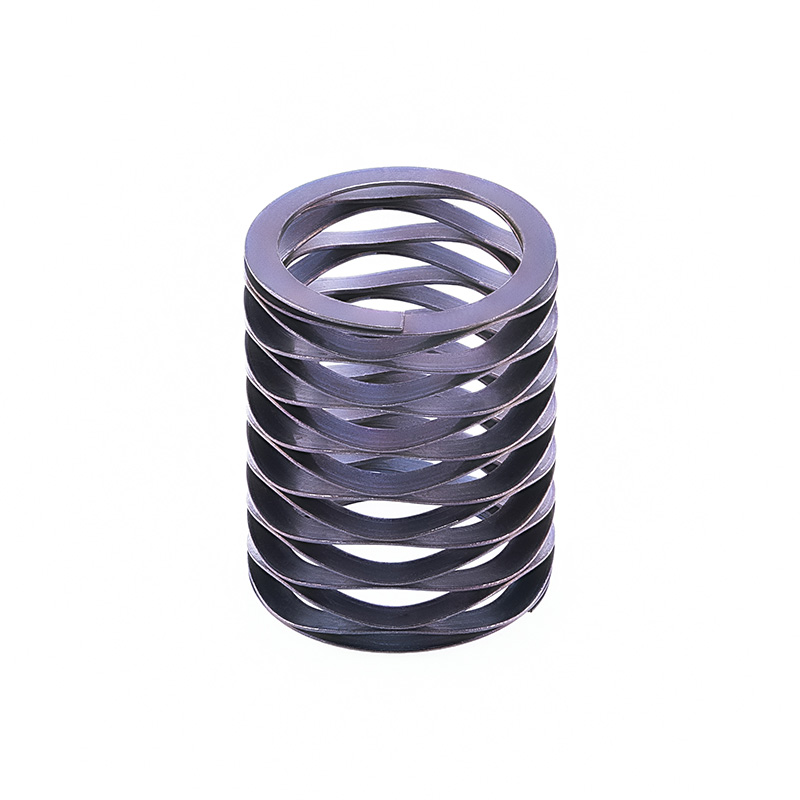
High-speed rotating mechanisms inside LiDAR require precise bearing preload. Lispring’s 중첩된 웨이브 스프링 provide strong and stable force in compact spaces, extending bearing life and reducing noise. -
Fixing of optical components
Wave springs serve as positioning elements for optical lenses, laser modules, and detector modules, keeping them stable under temperature changes or external shocks, thereby ensuring laser path and focal accuracy. -
Vibration damping and cushioning
In complex road environments, LiDAR systems experience continuous vibrations. The elasticity of wave springs effectively absorbs impact forces, preventing precision components from shifting or becoming damaged.
3. Technical Advantages Summary
-
소형화: Supports the trend of thinner, more compact LiDAR modules.
-
High precision: Ensures the stability of optical and mechanical components, improving LiDAR imaging accuracy.
-
Long 서비스 life: Superior fatigue resistance, ideal for long-term automotive use.
-
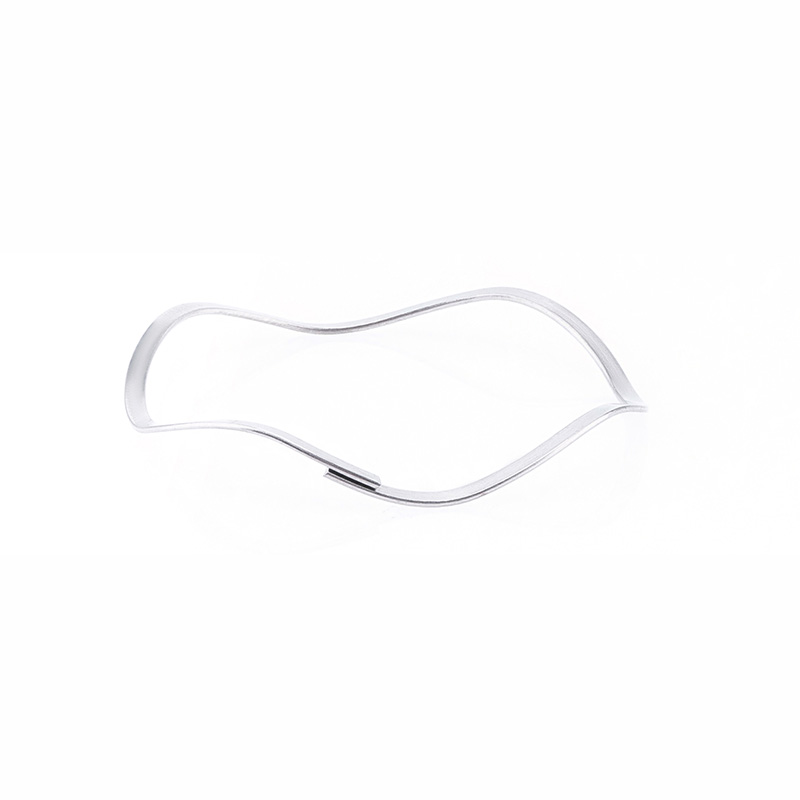
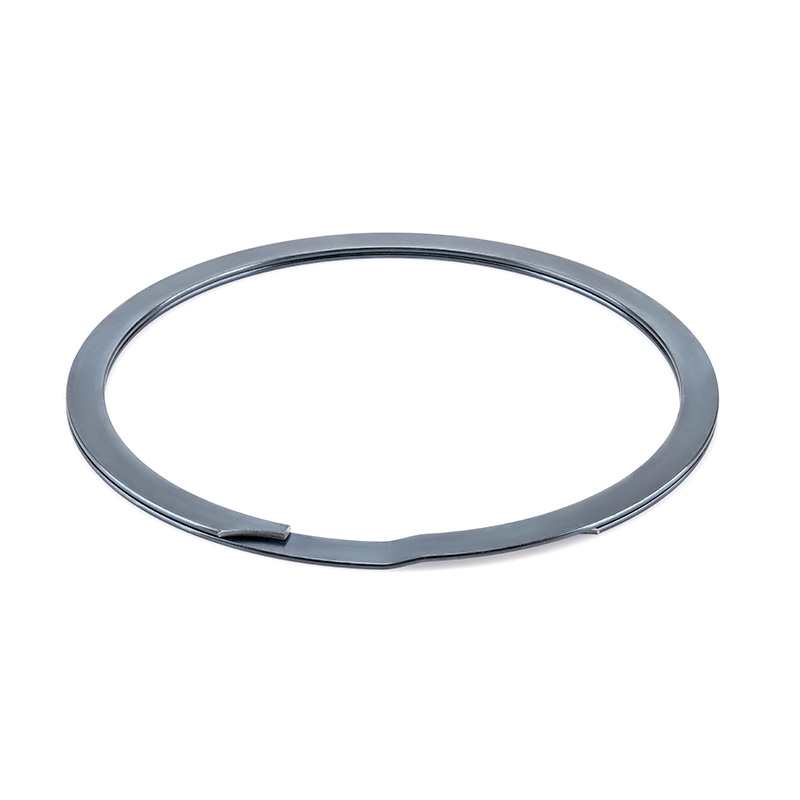
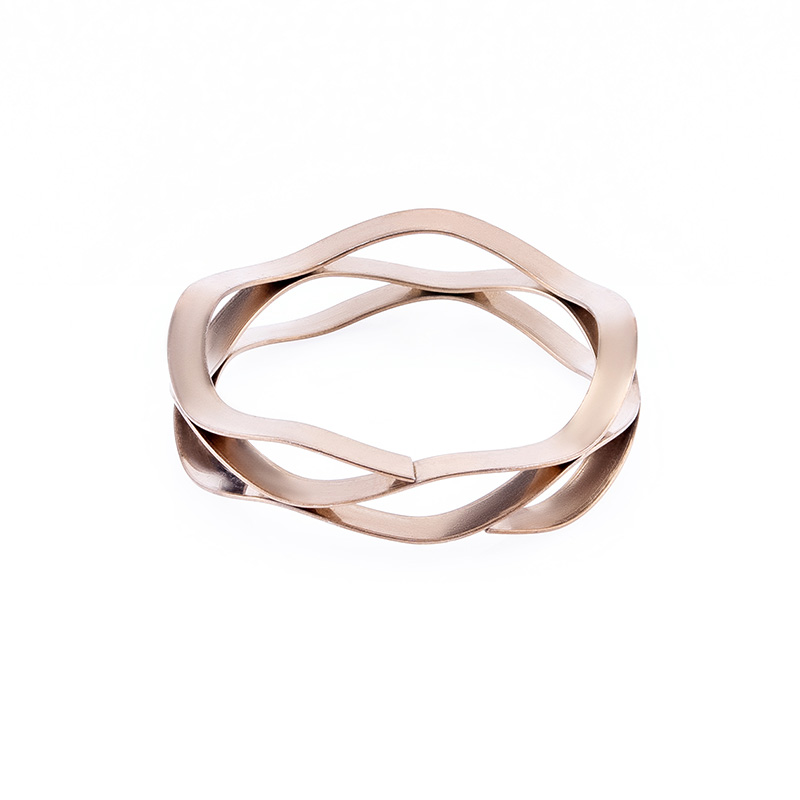
Customization capability: Lispring can provide single-turn, multi-turn, nested, or stacked wave springs tailored to customer drawings and performance requirements.
4. Conclusion
As autonomous driving rapidly advances, the requirements for LiDAR performance and reliability are increasing. Lispring’s wave springs, with their compact design, precise force control, and high reliability, have become indispensable key components in LiDAR systems. Moving forward, Lispring will continue to leverage advanced manufacturing technologies and customized services to support the intelligent development of the automotive industry.
 Korean
  English
  Chinese
  Dutch
Dutch  French
  German
  Italian
  Japanese
  Portuguese
  Russian
  Spanish