
Want to know the difference between circlip and スナップリング? circlip and snap rings are widely used in the mechanical field, and each plays a different role and function. There are also differences between the two. This article brings you a complete explanation of snap rings and circlip, from uses, differences, measurements to installation guides. All are introduced in detail. Users in need should not miss it!
What is a snap ring?
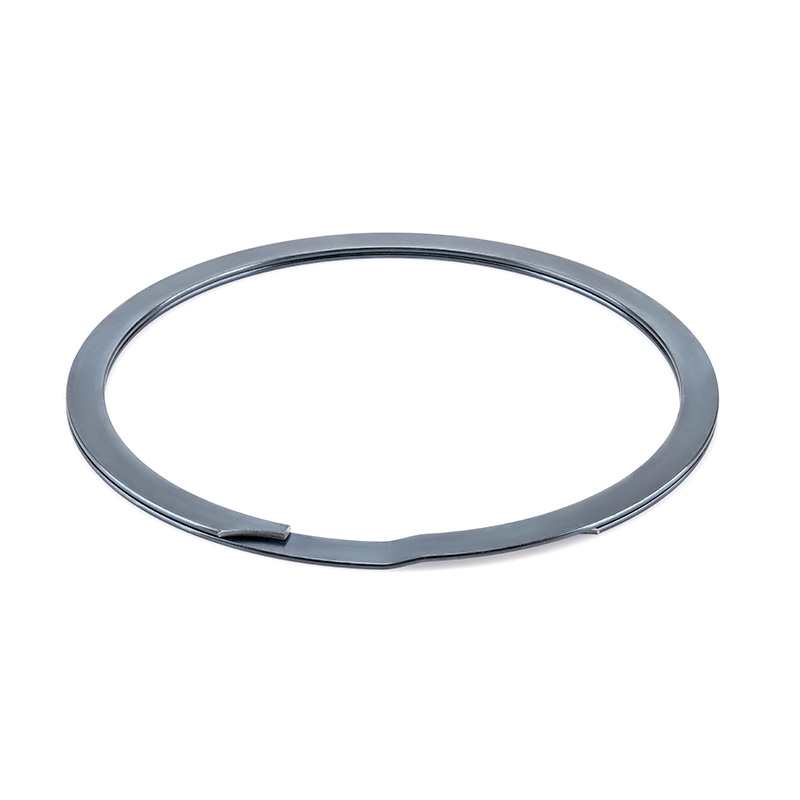
A snap ring, also known as a snap ring, a fixing ring, or a circlip ring, is a fastener used to limit the axial movement of a part. It is a metal ring that is installed in a shaft groove or a hole groove to fix the position of gears, bearings, pins, pulleys and other parts.
Common types include:
- snap rings for shafts (external snap rings)
- snap rings for holes (internal snap rings)
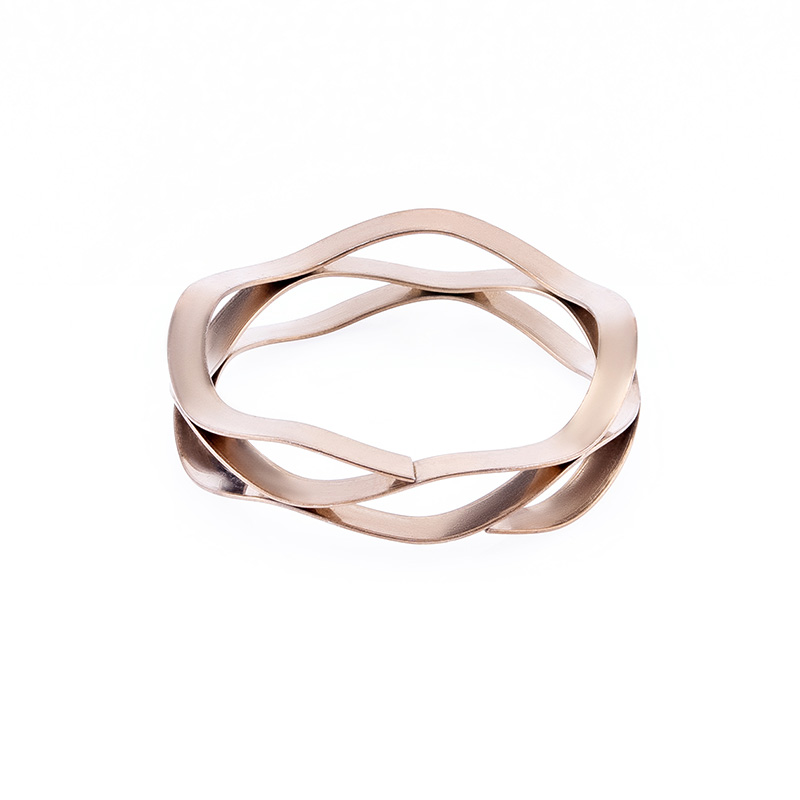
- Wave snap rings, elastic snap rings, E-type snap rings, etc.
snap rings can be divided into open and closed types according to the installation position and usage method. They are widely used in machinery, electronics, automobiles, aerospace and other equipment.
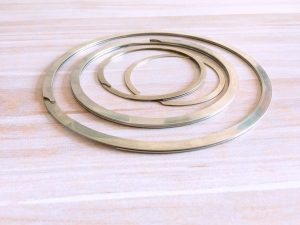
What is a spring circlip?
A spring circlip is a type of circlip made of elastic steel strip with elastic grip, which is used to fix parts in shafts or holes. Its structural feature is an open デザイン that clamps the workpiece or the slot by elastic force.
Common spring retainers include:
- Open spring retainers (for shafts)
- Closed spring retainers (for holes)
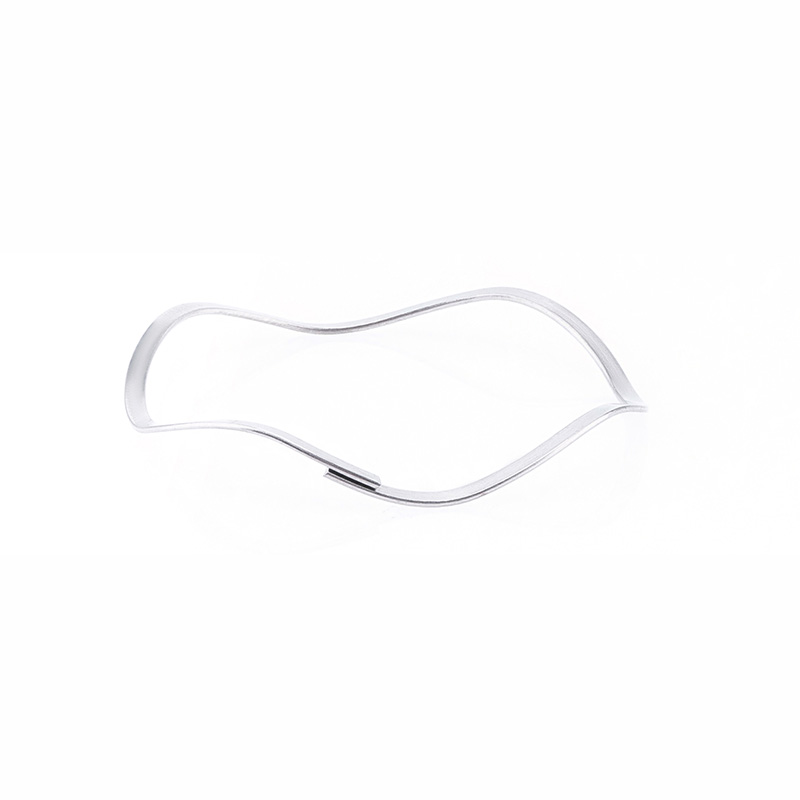
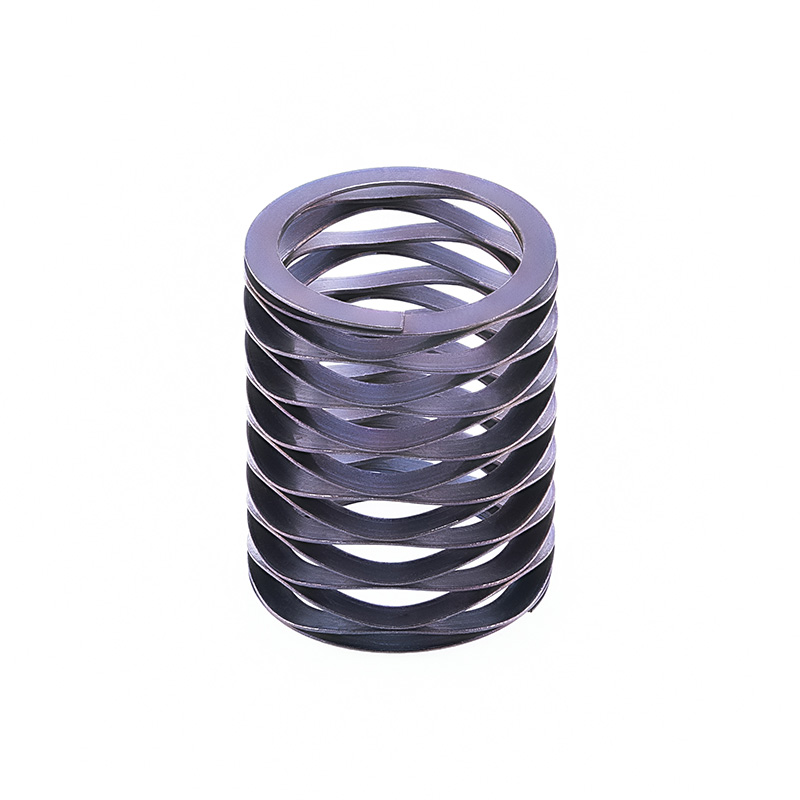
- ウェーブスプリング retainers, S-shaped retainers, etc.
Spring retainers are often used in scenarios where space is limited and frequent assembly and disassembly is required, and are easy to disassemble and reuse.
What is the difference between a spring snap ring and a spring snap ring?
| Comparison Item | 止め輪 | Spring Circlip |
| Structure Type | Mostly rigid open rings with lugs or teeth | Made of elastic steel strip with spring force |
| Installation Method | Requires fitting into shaft or bore groove | Clamps directly using elastic tension |
| Dependency on Elasticity | Rigid structure, not dependent on spring force | Relies on its spring elasticity to stay in place |
| Reusability | Often one-time use or limited reuse | Highly reusable and easy to remove/install |
| 代表的なアプリケーション | Heavy-duty, high-strength axial locking | Light-load, precision or frequently disassembled parts |
| Cost and Availability | Lower cost, widely standardized | Slightly higher cost, sometimes customized |
What is the purpose of snap rings?
snap rings are mainly used in the following aspects:
- Prevent axial displacement: limit the sliding of parts in shafts or holes;
- Positioning function: limit the installation position of components in assembly;
- Avoid loosening: combine with bearings and gears to prevent disengagement;
- Simplify structure: replace nuts, key pins and other structures to reduce the number of parts;
- Save space: suitable for mechanical structures with limited axial space.
What is the purpose of circlip?
circlip are widely used in the following scenarios due to their light weight, elasticity and convenience:
- Small mechanical assembly: such as motors, printers, and electronic locks;
- Repeated disassembly and assembly structures: systems that require regular maintenance or replacement of parts;
- Fixed precision parts: such as sensor and bearing assembly;
- Light load position locking: keep the component position but do not bear heavy loads;
- Compact electronic devices: save installation space and simple assembly structure.
How to use snap rings?
- Prepare the snap ring pliers: select the appropriate inner/outer caliper according to the size of the snap ring;
- Find the slot: determine the direction and depth of the slot at the installation location;
- Expand or compress the snap ring: open or close the snap ring opening with the snap ring pliers;
- Put it into the slot slowly: make sure the edge of the snap ring fits the slot wall and is fully embedded;
- Check for firmness: turn it to confirm whether it is clamped and does not slide.
How to use circlip?
- Select the appropriate size: the inner or outer diameter of the snap ring must match the shaft or hole accurately;
- Press it in by hand or with snap ring pliers: some small specifications can be installed directly with fingers;
- Align the slot or accessory position: the snap ring should just fall into the designed groove;
- Check for fit: the elastic force should make it automatically return to its position and clamp the component.
How do I measure a snap ring?
The following dimensions are required when measuring a snap ring:
- Outer diameter (OD): the maximum outer diameter of the overall snap ring
- Inner diameter (ID): the inner ring diameter at the opening (some designs do not have it)
- Thickness (T): 材料 thickness, which affects assembly accuracy
- Opening spacing: opening width, which affects the selection of clamps and installation strength
- Slot width and depth: ensure that the snap ring is fully embedded and measure the slot data at the use position
Usually use a vernier caliper for accuracy measurement.
How to measure spring circlips?
Similar to snap rings, spring circlips need to measure the following dimensions:
- Natural inner diameter (ID): the inner diameter of the circlip when not installed
- Expanded outer diameter (OD): the maximum installation diameter that can be covered under elastic state
- Thickness (T): determines the elastic strength and installation groove matching accuracy
- Material and hardness: usually spring steel, the hardness of the marking affects the elasticity and fatigue life
If used for custom structures, the width and depth of the installation groove must also be measured.
How to remove a snap ring without a hole?
Some snap rings, such as E-rings and C-rings without holes, cannot be removed by traditional calipers. The following methods can be used:
- Use a small screwdriver to pry open the opening: slowly lift one end to make it pop out;
- Compression clamp assistance: Use a compression clamp to assist in pushing open the retaining ring slot;
- Use a hook tool: hang one side of the snap ring and pull it out;
- Heat shrinkage and expansion method (limited to metal shafts): slightly heat the shaft to loosen the snap ring and then remove it;
- Be careful to prevent rebound and injury: it is recommended to wear gloves and goggles when operating.
How to remove a spring snap ring?
circlip can generally be removed by the following methods:
- Use needle-nose pliers or snap ring pliers: clamp the opening part of the snap ring and slowly pull it away;
- Compression snap ring: Use a screwdriver to gently push the center edge of the snap ring to make it pop out;
- Hole snap ring: can be inserted into the two holes of the snap ring opening and pulled out;
- Pay attention to storage: snap rings are elastic and easy to bounce off, please store them in a tray.
How to install snap rings?
- Prepare snap rings and pliers of corresponding sizes;
- Open/compress the snap ring;
- Align the shaft groove or hole groove and slowly insert it;
- Release the pliers and confirm that it is completely fitted to the bottom of the groove;
- After completion, turn the component to test the firmness.
How to install circlip?
- Confirm that the mounting surface is clean and free of burrs;
- Use your fingers or snap ring pliers to expand the snap ring opening;
- Insert the snap ring into the mounting groove and it will automatically return to its original position when you release it;
- Check whether the elasticity is close to the bottom of the groove and cannot be loose or jump out.
Comparative analysis of circlip and snap rings
| 特徴 | 止め輪 | Spring Circlip |
| Installation Difficulty | Medium (requires snap ring pliers) | Lower (some sizes can be installed by hand) |
| Repeat Installation | Limited | High repeatability |
| 材料特性 | Hardened steel, rigid | Spring steel, elastic |
| Preferred Use Cases | High-load locking, critical parts | Frequent maintenance, tight space applications |
| 負荷容量 | 高い | Moderate to low |
| 必要スペース | Requires accurate grooves | More tolerance to groove dimension |
| コスト | Lower | Slightly higher (for precision spring clips) |
結論
Although snap rings and spring retainers have similar functions, they have their own advantages and disadvantages in terms of structural form, application occasions, installation method and load-bearing capacity. If you pursue structural stability and high-load fixation, snap rings are more suitable. If you focus on installation convenience and repeated disassembly needs, spring retainers have more advantages.
Reasonable selection, correct measurement, and standardized installation will significantly improve assembly efficiency and product performance. For equipment that requires frequent maintenance, reusable spring retainers are particularly suitable; for key mechanical connections, snap rings are still a reliable choice.
 Japanese
  English
  Chinese
  Dutch
Dutch  French
  German
  Italian
  Korean
  Portuguese
  Russian
  Spanish