
Introduction
In the intricate world of mechanical engineering, the importance of secure and reliable components cannot be overstated. One often overlooked but critical element in ensuring the stability and functionality of various assemblies is the internal spiral retaining ring. This article aims to explore the specific ways in which internal spiral retaining rings enhance component security, delving into their design principles, advantages, and diverse applications.
Understanding Internal Spiral Retaining Rings
Fundamentals of Design
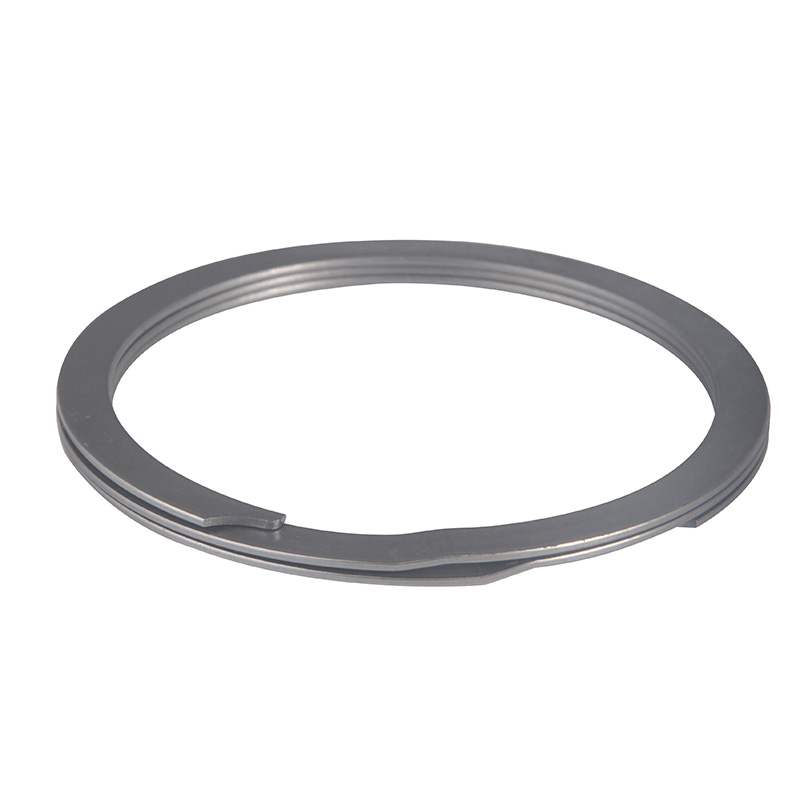
Internal spiral retaining rings, also known as snap rings or circlips, are engineered to fit into grooves or recesses on the interior of a shaft or bore. Unlike external retaining rings, which fit on the outside of a shaft, internal spiral retaining rings are positioned within the component, providing a secure means of axial retention. The spiral design of these rings allows for flexibility during installation while ensuring a reliable grip once in place.
Material Selection and Durability
The material composition of internal spiral retaining rings is a crucial factor in their ability to enhance component security. Typically manufactured from materials such as carbon steel, stainless steel, or other alloys, these rings offer a balance of strength, corrosion resistance, and durability. The right material selection ensures that the retaining ring can withstand the environmental conditions and loads it may encounter in various applications.
Advantages of Internal Spiral Retaining Rings
Axial Load Distribution
One of the primary advantages of internal spiral retaining rings is their ability to distribute axial loads evenly across the circumference of the shaft or bore. This ensures that the load is not concentrated on specific points, reducing the risk of wear, deformation, or failure in critical areas. The result is improved component security, especially in applications subjected to dynamic forces.
Compact Design and Space Efficiency
Internal spiral retaining rings contribute to a more compact and space-efficient design compared to alternative retention methods. Their placement within the component allows for streamlined assemblies, making them particularly valuable in applications where space is limited. This advantage is especially relevant in industries such as automotive, aerospace, and electronics, where every millimeter of space is carefully considered.
Ease of Installation and Removal
The design of internal spiral retaining rings facilitates relatively easy installation and removal. The spiral shape allows for radial expansion during installation, enabling the ring to snap securely into the groove. Similarly, removal can be achieved with specialized tools, making maintenance and repair processes more efficient. This ease of handling contributes to the overall security and serviceability of components.
Resistance to Vibrations and Shock
Internal spiral retaining rings excel in applications where vibrations and shock loads are prevalent. Their design allows for a degree of axial movement, absorbing shocks and vibrations without compromising the integrity of the component. This resilience is crucial in environments such as automotive systems, industrial machinery, and heavy equipment, where dynamic forces are common.
Applications of Internal Spiral Retaining Rings
Automotive Industry
Internal spiral retaining rings play a pivotal role in the automotive industry, securing components within transmissions, axles, and various engine parts. Their ability to withstand vibrations and shocks makes them ideal for the demanding conditions of automotive systems.
Aerospace Sector
Aerospace applications demand precision, reliability, and lightweight solutions. Internal spiral retaining rings find applications in aircraft components, ensuring the secure retention of critical parts in avionics, landing gear systems, and other aerospace assemblies.
Industrial Machinery and Equipment
In the realm of industrial machinery, internal spiral retaining rings contribute to the security of rotating components such as shafts, bearings, and gears. Their resistance to axial loads and vibrations makes them valuable in maintaining the stability of machinery.
Electronics and Consumer Goods
Internal spiral retaining rings are utilized in electronic devices and consumer goods to secure components within compact assemblies. From small motors to household appliances, these rings provide an efficient and space-saving retention solution.
Medical Devices
Precision is paramount in medical devices, and internal spiral retaining rings find applications in securing components within various medical equipment. Their compact design and reliability make them suitable for critical healthcare applications.
How Internal Spiral Retaining Rings Enhance Component Security
Preventing Axial Movement
One of the fundamental ways in which internal spiral retaining rings enhance component security is by preventing unwanted axial movement. The ring fits securely into a groove, acting as a barrier that resists axial displacement. This is particularly crucial in applications where precise positioning of components is essential for optimal performance.
Securing Bearings and Shafts
Internal spiral retaining rings play a key role in securing bearings and shafts within assemblies. By providing a secure axial retention mechanism, these rings ensure that bearings remain in their designated positions, preventing misalignment and potential damage during operation.
Minimizing Wear and Fatigue
The even distribution of axial loads achieved by internal spiral retaining rings minimizes wear and fatigue on components. Traditional methods of retention may result in localized stress, leading to premature wear and eventual failure. The spiral design ensures that the load is distributed, prolonging the life of components and enhancing overall system reliability.
Facilitating Easy Assembly and Maintenance
The ease of installation and removal of internal spiral retaining rings contributes to the security and serviceability of components. During assembly, the rings can be easily snapped into place, and maintenance tasks, such as bearing replacement, become more straightforward with the use of specialized tools for ring removal.
Adapting to Dynamic Conditions
Internal spiral retaining rings excel in applications subjected to dynamic conditions, such as those involving rotational or vibrational forces. The flexibility of the ring’s spiral shape allows it to adapt to changes in axial loads, ensuring that the security of the component is maintained even in challenging operating environments.
Enhancing System Reliability
Overall, the use of internal spiral retaining rings enhances the reliability of mechanical systems. By providing a secure and efficient means of axial retention, these rings contribute to the stability and longevity of components, reducing the likelihood of unexpected failures and minimizing downtime in critical applications.
Considerations in Selecting Internal Spiral Retaining Rings
Material Compatibility
The selection of the appropriate material for internal spiral retaining rings depends on the specific requirements of the application. Considerations such as corrosion resistance, temperature tolerance, and load capacity play a crucial role in determining the most suitable material for optimal component security.
Groove Design and Dimensions
The design and dimensions of the groove into which the internal spiral retaining ring is fitted are critical factors. Engineers must carefully consider the groove dimensions to ensure a proper fit and optimal performance. Additionally, the groove design influences the ease of installation and removal, affecting overall system efficiency.
Load Capacity and Application Requirements
Understanding the load capacity requirements of the application is essential in selecting the appropriate internal spiral retaining ring. Different applications may demand varying levels of axial retention, and engineers must choose rings with the appropriate load capacity to meet the specific needs of the system.
Environmental Conditions
The environmental conditions in which the component operates influence the choice of material and coating for internal spiral retaining rings. Factors such as exposure to corrosive substances, extreme temperatures, or high levels of moisture should be taken into account to ensure the long-term reliability of the retaining ring.
Installation and Removal Methods
Consideration should be given to the methods of installation and removal of internal spiral retaining rings. Engineers must evaluate the accessibility of the assembly, the tools required for installation and removal, and the overall ease of maintenance to optimize the security and serviceability of components.
Future Trends in Internal Spiral Retaining Rings
As technology advances and engineering practices evolve, several trends are emerging in the realm of internal spiral retaining rings that are poised to shape their future applications.
Advanced Materials and Coatings
Ongoing research and development efforts focus on the advancement of materials and coatings for internal spiral retaining rings. Innovations in material science may lead to rings with enhanced properties, such as increased wear resistance, improved fatigue life, and compatibility with a broader range of applications.
Smart Retaining Ring Technologies
The integration of smart technologies into mechanical components is a growing trend. Future iterations of internal spiral retaining rings may incorporate sensors or monitoring capabilities, allowing them to provide real-time data on axial loads, wear, and environmental conditions. This could lead to proactive maintenance practices and improved system reliability.
Customization and 3D Printing
The advent of 3D printing technology opens up new possibilities for the customization of internal spiral retaining rings. Engineers may have the ability to design and manufacture rings with complex geometries tailored to the specific requirements of their applications. This could lead to more efficient and optimized solutions for diverse industries.
Enhanced Load Capacity and Performance
Ongoing efforts in design optimization and material advancements aim to enhance the load capacity and overall performance of internal spiral retaining rings. This includes research into innovative geometries, heat treatment processes, and surface treatments to further improve the resilience and reliability of these critical components.
Conclusion
In conclusion, internal spiral retaining rings play a vital role in enhancing the security of components within various mechanical assemblies. Their unique design, combined with material versatility and advantageous characteristics, positions them as a reliable solution for axial retention in diverse industries.
From automotive systems to aerospace applications, the ability of internal spiral retaining rings to distribute axial loads evenly, resist wear, and adapt to dynamic conditions contributes to the overall stability and longevity of mechanical systems. The considerations in material selection, groove design, and load capacity, along with ongoing trends in advanced materials and smart technologies, indicate a promising future for these essential components.
As engineers continue to seek efficient and reliable solutions in mechanical design, internal spiral retaining rings are likely to remain at the forefront of innovation, ensuring the security and performance of components in the ever-evolving landscape of mechanical engineering.
Related Products
 English
  Chinese
  Dutch
Dutch  French
  German
  Italian
  Japanese
  Korean
  Portuguese
  Russian
  Spanish