
Stainless steel wave springs are versatile mechanical components known for their durability, resilience, and wide-ranging applications across numerous industries. These innovative springs offer unique properties and advantages that make them integral components in various engineering systems.
Understanding Stainless Steel Wave Springs
Construction and Design
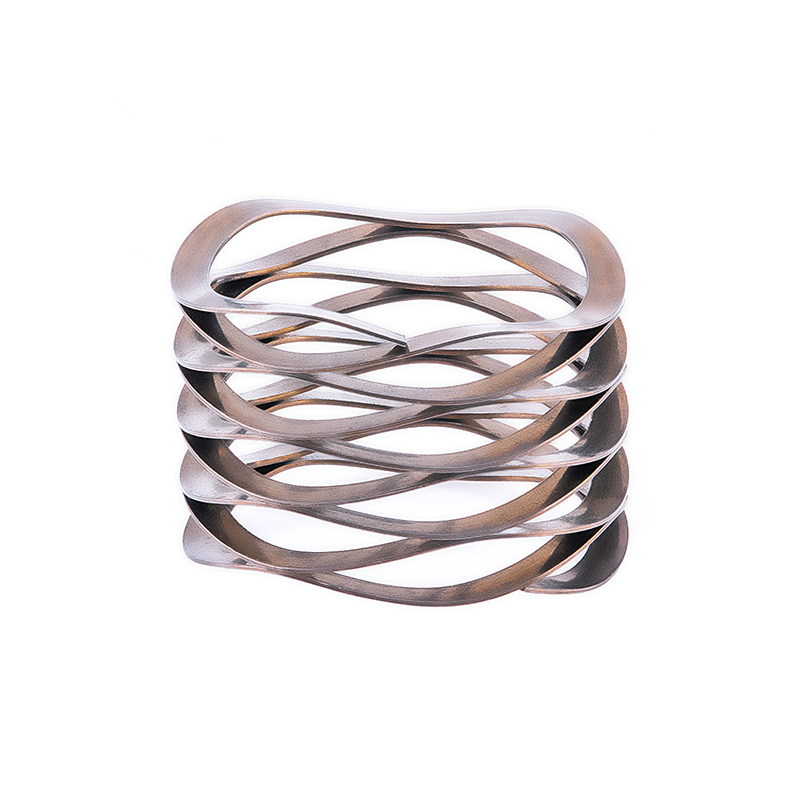
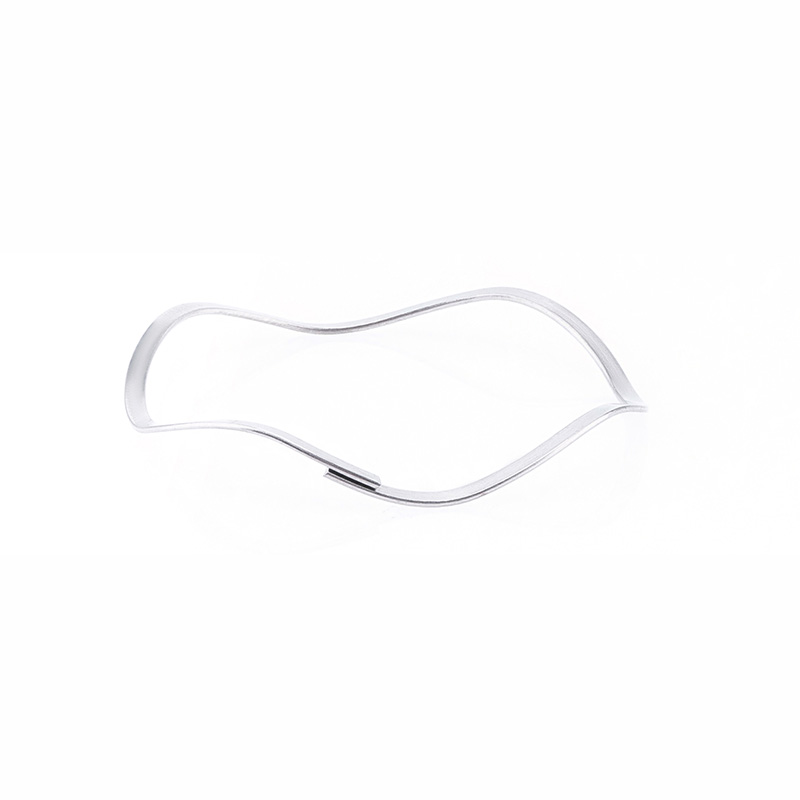
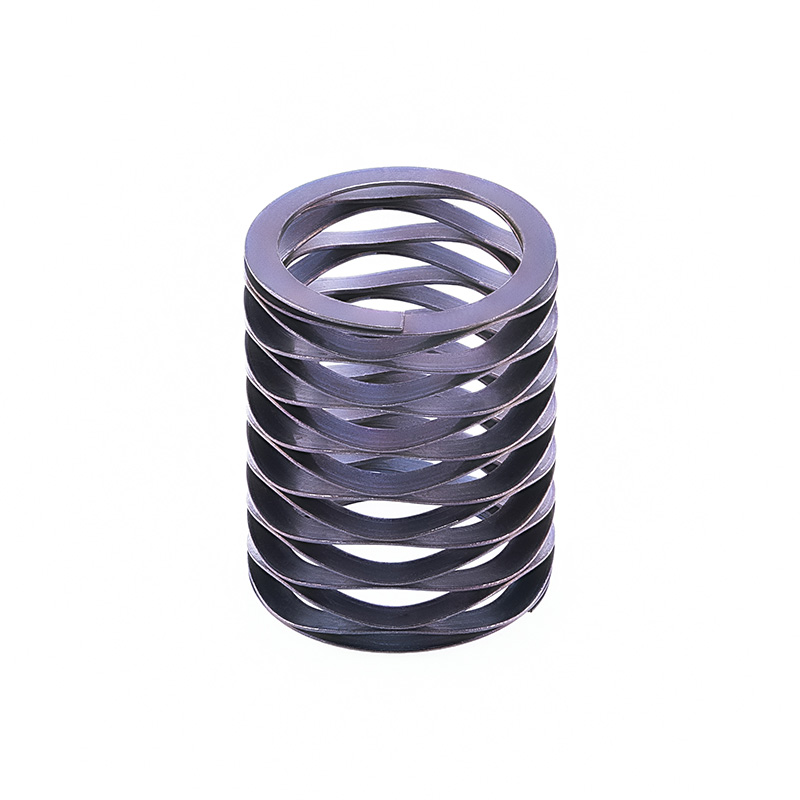
Stainless steel wave springs are constructed from flat or round wire formed into a multi-turn wave pattern. The design of these springs allows for axial compression and expansion while occupying minimal radial space. The waves in the spring provide a balance between load-bearing capability and deflection, ensuring a compact yet efficient spring solution.
Material Composition
Stainless steel, known for its excellent corrosion resistance, durability, and high tensile strength, is the primary material used in wave spring manufacturing. The addition of chromium and other elements forms a protective oxide layer, enhancing the spring’s resistance to corrosion, rust, and wear, making it suitable for diverse environments and applications.
The Durability of Stainless Steel Wave Springs
Corrosion Resistance
One of the standout qualities of stainless steel wave springs is their exceptional corrosion resistance. The inherent properties of stainless steel make these springs resistant to moisture, chemicals, and environmental factors that would otherwise compromise the integrity of the spring material, ensuring prolonged durability even in harsh conditions.
High Fatigue Life
Stainless steel’s strength and resilience contribute to the high fatigue life of wave springs. These springs can endure repeated compression and expansion cycles without experiencing premature failure, maintaining their mechanical properties and functionality over extended periods of use.
Temperature Tolerance
Stainless steel wave springs exhibit excellent temperature tolerance, capable of withstanding both high and low temperature extremes without compromising performance. This characteristic makes them suitable for applications in various industries, including aerospace, automotive, medical devices, and more.
Applications of Stainless Steel Wave Springs
Automotive Industry
In the automotive sector, stainless steel wave springs find application in various components such as clutch systems, braking mechanisms, transmission assemblies, and engine parts. Their durability, compact design, and load-bearing capabilities contribute to improved performance and reliability in these critical systems.
Aerospace and Aviation
Wave springs made from stainless steel are utilized in aerospace and aviation applications, including landing gear systems, control surfaces, actuators, and avionics. Their ability to withstand high forces while occupying minimal space aligns with the stringent demands of these safety-critical systems.
Medical Devices
The medical industry relies on stainless steel wave springs in various medical devices and equipment, including surgical instruments, implantable devices, and prosthetics. These springs offer the required resilience, reliability, and corrosion resistance needed for critical medical applications.

Advantages of Stainless Steel Wave Springs
Compact Design
Stainless steel wave springs provide a compact and space-efficient solution compared to traditional coil springs. Their ability to deliver similar load-bearing capabilities in a smaller radial space allows engineers to optimize designs in space-constrained applications.
High Load Capacity
Despite their compact size, stainless steel wave springs can handle substantial loads, offering excellent load-bearing capabilities. This characteristic is advantageous in applications requiring high forces within limited space constraints.
Versatility and Customization
Engineers can customize stainless steel wave springs to meet specific application requirements by altering the number of waves, turns, or stacking multiple springs. This versatility allows for tailored solutions in various industries and applications.
Future Developments and Innovations
Advanced Materials
Ongoing research aims to develop new stainless steel alloys or surface treatments that further enhance the properties of wave springs. These advancements seek to improve strength, fatigue life, and temperature resistance for increased durability and performance.
Precision Manufacturing Techniques
Advancements in manufacturing technologies, including precision forming methods and computer-controlled processes, enable the production of highly customized and precise stainless steel wave springs meeting stringent performance criteria.
Application-Specific Designs
Continued focus on application-specific designs and engineering innovations ensures that stainless steel wave springs remain at the forefront of modern engineering solutions. Tailored designs for specific industries or specialized applications drive continuous improvements in performance and functionality.
Conclusion
Stainless steel wave springs stand as durable and versatile components, offering a myriad of advantages across diverse industries. Their exceptional durability, corrosion resistance, high load capacity, and compact design make them invaluable in various critical systems.
The continued evolution of stainless steel wave springs, driven by advancements in materials, manufacturing techniques, and customized designs, ensures these springs remain instrumental in addressing engineering challenges across industries. As technology progresses, stainless steel wave springs will continue to play a pivotal role in optimizing efficiency, reliability, and performance in engineering systems worldwide.
Related Products

 English
  Chinese
  Dutch
Dutch  French
  German
  Italian
  Japanese
  Korean
  Portuguese
  Russian
  Spanish