
螺旋弹性挡圈 are essential components in mechanical manufacturing and product design. They are powerful and versatile, playing a vital role in securing components, ensuring safety, and extending the life of machinery. They are now widely used in automotive transmissions, aerospace, industrial machinery, and other fields, and are considered an efficient, durable, and reliable fastening method.
Many are familiar with standard 锁紧环 或 circlips, but spiral retaining rings are less well-known. They offer unique advantages: they fit evenly into grooves, apply constant pressure, and can often be reused without deformation. Their durability and reliability make them the preferred choice of many engineers and technicians. In short, understanding how to use spiral retaining rings correctly is crucial.
This article will explore 关于螺旋弹性挡圈您需要了解的一切, from their design and operating principles to installation, removal, application, and best practices.
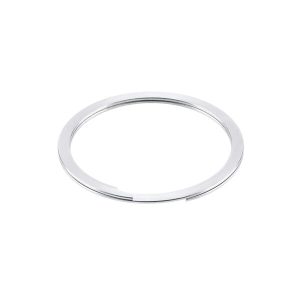
What Is a Spiral Retaining Ring?
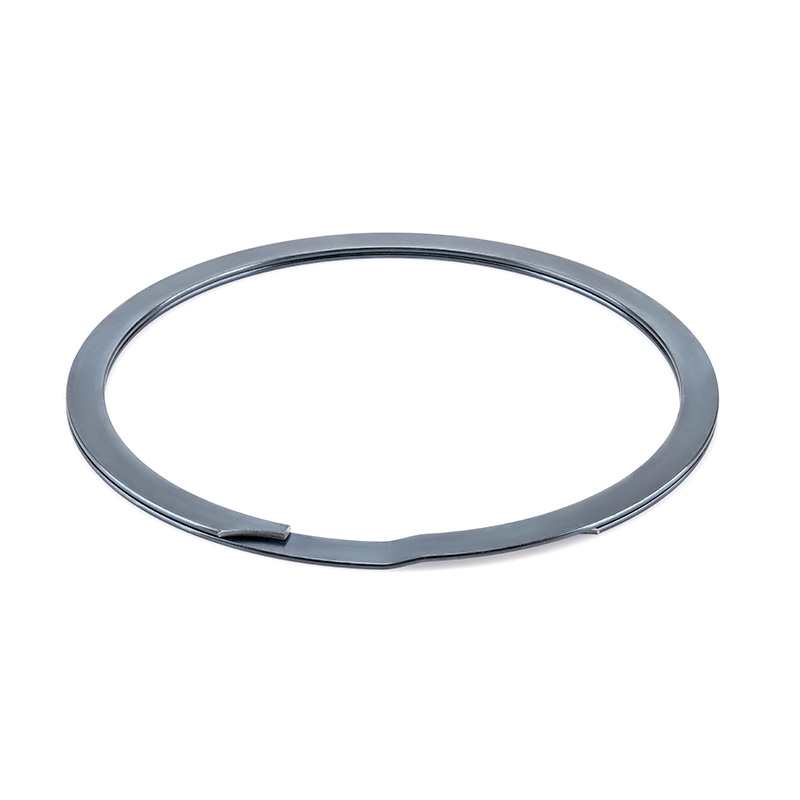
A spiral retaining ring is a continuous, coiled flat wire that fits into a groove on a shaft or inside a bore. Unlike traditional circlips, which often have lugs or ears, spiral retaining rings have a smooth, 360-degree design that distributes load evenly across the groove.
主要特点
Made from flat wire, wound into a spiral shape
Installed into precision grooves on shafts or housings
Offer full 360-degree contact and retention
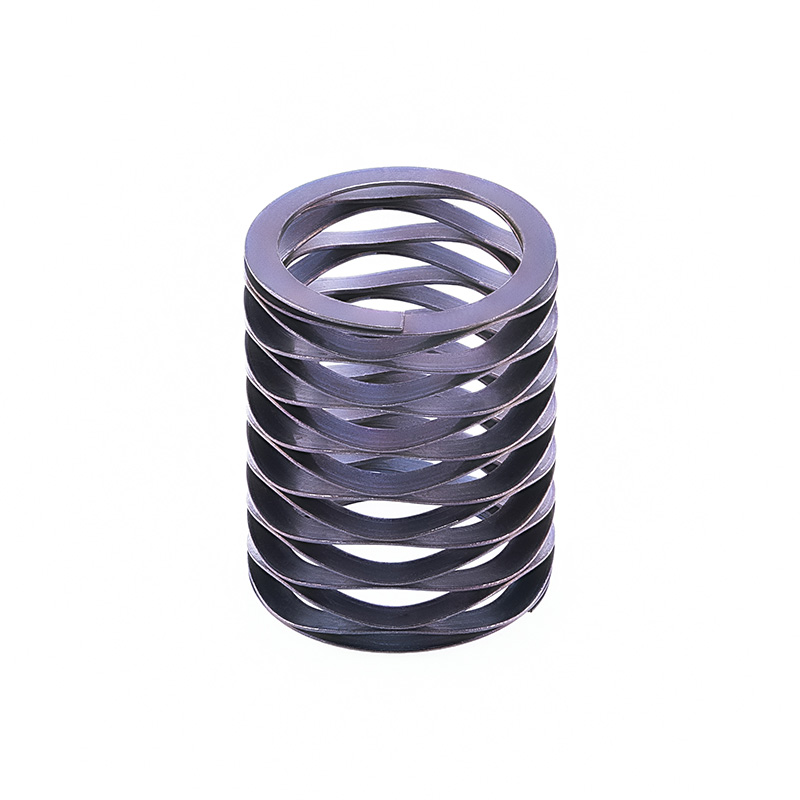
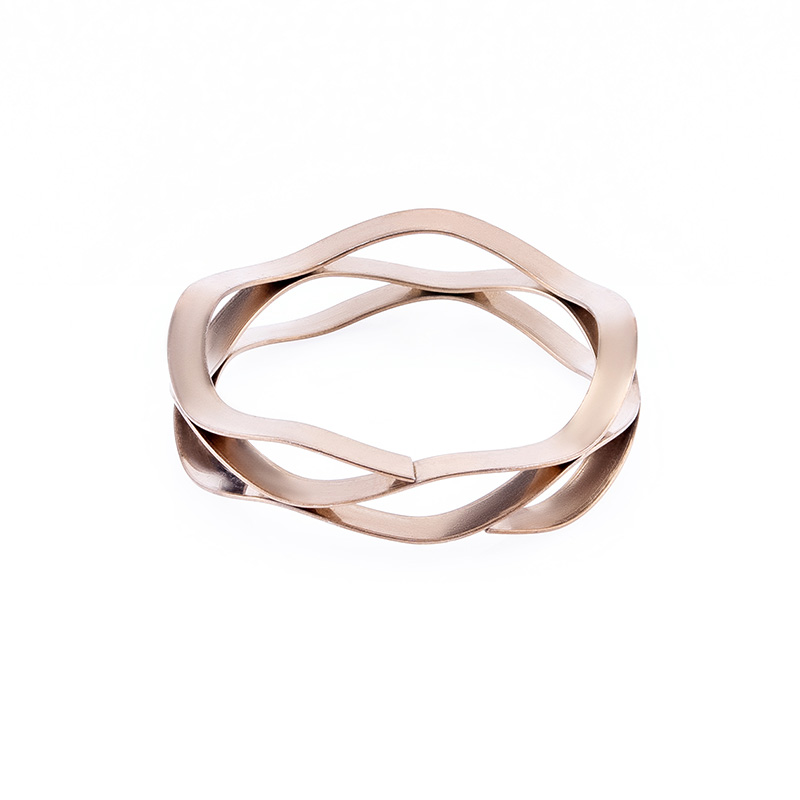
Available in single-turn, multi-turn, and custom designs
Manufactured in stainless steel, carbon steel, 铍铜, and other alloys
Because they have no protruding ears, spiral retaining rings eliminate concerns of uneven stress distribution and interference in compact assemblies.
How Spiral Retaining Rings Work?
The working principle of a spiral retaining ring is straightforward yet effective:
A groove is machined into a shaft or bore.
The spiral retaining ring is wound into this groove.
The ring’s tension keeps it seated firmly, preventing axial movement of components.
The 360-degree design ensures uniform load distribution, reducing wear and failure risks.
This even load distribution makes spiral retaining rings especially suitable for high-speed rotating equipment and precision assemblies.
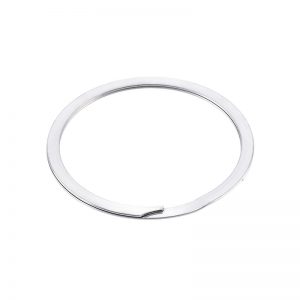
螺旋弹性挡圈的类型
There are multiple types of spiral retaining rings, each designed for specific conditions:
Single-Turn Rings
Consist of one complete turn of flat wire
Cost-effective and compact
Used in light to medium-duty applications
Multi-Turn Rings
Consist of two or more turns of flat wire
Provide greater strength and load capacity
Ideal for heavy-duty and high-thrust applications
Internal Spiral Rings
Fit into grooves inside a housing or bore
Prevent bearings or components from sliding out
External Spiral Rings
Fit onto shafts
Prevent gears, pulleys, or bearings from moving axially
Custom and Specialty Designs
Can include material coatings, specific shapes, or corrosion-resistant finishes for specialized industries such as aerospace or marine engineering.
螺旋弹性挡圈的优点
Spiral retaining rings are preferred over snap rings and other fasteners for several reasons:
Compact Design: No ears or protrusions, making them ideal for tight spaces.
Even Load Distribution: Prevents groove deformation and extends component life.
Reusability: Can often be removed and reinstalled without losing tension.
Ease of Installation: Requires no special pliers—rings are wound into place by hand or with simple tools.
Versatility: Suitable for shafts and bores of various sizes.
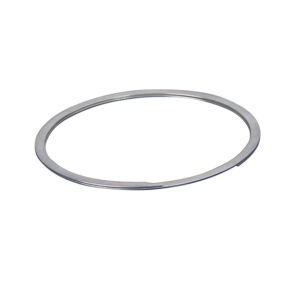
Functions of Spiral Retaining Rings
Spiral retaining rings are precision components widely used in mechanical assembly and part fixation. Their primary function is to secure components within shaft or hole grooves, preventing axial movement. Compared to traditional circlips or split retaining rings, spiral retaining rings offer the following advantages:
Uniform force distribution: Due to their continuous spiral coil shape, they distribute load evenly across the entire circumference, reducing localized stress concentrations.
Space saving: Spiral retaining rings are typically thinner than split retaining rings, providing reliable fixation in confined spaces and making them ideal for precision assembly.
Easy installation: They require no special mounting holes or complex structures; they can simply be installed within the groove of a shaft or hole.
Versatile design: They can withstand unidirectional or bidirectional loads, preventing loosening and serving as a locating element.
High reliability: Spiral retaining rings maintain a strong locking effect even under high-speed rotation or high-vibration conditions and are not prone to falling out.
For this reason, spiral retaining rings are often used in automotive parts, aviation equipment, electronics, mechanical bearings, gears, hydraulic equipment, and other applications requiring high precision and stability.
How to Use a Spiral Retaining Rings?
Proper use of spiral retaining rings requires following standard procedures and precautions to ensure their performance and longevity:
Selecting the Appropriate Model
Select a spiral retaining ring of the appropriate size based on the shaft or hole diameter.
Check the material and strength grade. Common options include carbon steel, stainless steel, or alloy steel, and the decision should be made based on the operating environment (such as high temperature or corrosive environments).
Making a Standard Groove
Machining a retaining ring groove that meets standard dimensions on the shaft or hole. The groove width and depth must be strictly controlled to ensure a tight fit for the retaining ring.
Installation Procedure
Using a dedicated installation tool or tweezers, insert one end of the spiral retaining ring into the groove and gradually rotate and press it in until it is fully seated.
Confirm that the retaining ring fits snugly against the groove wall, without any lift or deflection.
Inspection and Verification
Check that the retaining ring is correctly installed and can withstand the expected axial force.
In critical applications, perform a rotational or load test to confirm that the retaining ring will not fall out.
维护和更换
In equipment that operates over a long period of time, regularly inspect the retaining ring for wear to prevent failure due to metal fatigue or corrosion. When disassembling, remove the retaining ring gradually, following the direction of installation, to avoid damaging the notch or the retaining ring itself.
Properly handled, spiral retaining rings not only significantly improve component assembly reliability but also extend the life of the entire device.
How to Install a Spiral Retaining Ring?
Correct installation is critical for the performance and safety of a spiral retaining ring.
Step-by-Step Installation Guide
Prepare the Components:
Clean the shaft, bore, and groove to remove debris or grease.
Ensure the groove dimensions match the ring’s specifications.
Expand or Compress the Ring
For external rings (on shafts): Expand the ring slightly so it can slide over the shaft into the groove.
For internal rings (in bores): Compress the ring slightly to fit it inside the housing.
Insert into the Groove:
Carefully wind the spiral ring into place, turn by turn, until the entire ring sits evenly in the groove.
Check Seating:
Verify that the ring is fully seated and flush with the groove.
Ensure there are no gaps or uneven sections.
Test the Assembly
Rotate or lightly move the retained component to confirm that the ring is secure.
Tools for Installation:
Basic pliers (sometimes unnecessary)
Flat screwdriver for adjustments
Installation sleeves for high-precision applications
如何 Remove a Spiral Retaining Ring?
One of the main benefits of spiral retaining rings is their removability.
Step-by-Step Removal Guide
Locate the End of the Ring
Spiral rings typically have a small tab or open end that allows access.
Use a Pick or Screwdriver
Insert the tool under the end of the ring.
Unwind the Ring
Carefully pull the ring out of the groove, turn by turn.
Take care not to overstretch the ring to preserve reusability.
Inspect for Damage
Before reusing, check the ring for cracks, deformation, or loss of tension.
螺旋弹性挡圈的应用
Spiral retaining rings are used in numerous industries and 产品:
Automotive: Transmissions, axles, and gear assemblies
Aerospace: Jet engines, actuators, and critical control systems
Medical Devices: Pumps, imaging equipment, and surgical tools
Industrial Machinery: Motors, compressors, and conveyors
Consumer Goods: Power tools, bicycles, and electronics
Their adaptability, strength, and compactness make them a preferred choice for engineers across disciplines.
Common Mistakes to Avoid
Using the wrong groove size for the ring
Overstretching during installation or removal
Skipping lubrication in high-speed applications
Reusing a damaged or deformed ring
Ignoring manufacturer specifications for load ratings
Avoiding these mistakes ensures longer component life and safer operations.
Maintenance and Best Practices
Regularly inspect grooves and rings during equipment servicing
Use appropriate lubricants in high-friction environments
Store spare rings in dry, temperature-controlled environments to prevent corrosion
Follow torque and pressure ratings recommended by the manufacturer
Market Demand and Industry Trends
The global retaining ring market is experiencing steady growth, with spiral retaining rings gaining a larger share due to their performance advantages. Industries such as automotive, aerospace, and renewable energy continue to drive demand.
Automotive Sector: Accounts for nearly 40% of spiral ring applications, particularly in transmissions and wheel hubs.
Industrial Equipment: Approximately 30% of usage, driven by global manufacturing expansion.
Medical and Aerospace: Niche but growing segments, requiring high precision and corrosion-resistant materials.
The rise of miniaturized electronics and lightweight machinery has further expanded opportunities for spiral retaining rings, especially in compact, high-performance applications.
Frequently Asked Questions
- Can spiral retaining rings be reused?
Yes, provided they are not overstretched or damaged during removal.
- Do they require special tools?
No. Simple hand tools are usually sufficient, though installation sleeves are available for high-precision assemblies.
- Are spiral retaining rings stronger than snap rings?
In many cases, yes, due to their 360-degree load distribution and multi-turn designs.
- What materials are commonly used?
Carbon steel, stainless steel, and specialty alloys for corrosion resistance.
- Do they work in high-speed applications?
Yes, their balanced design makes them suitable for rotating equipment.
结论
Spiral retaining rings are small but critical components that provide reliable, uniform, and cost-effective retention in countless mechanical assemblies. By understanding their structure, installation methods, and maintenance requirements, engineers and technicians can maximize equipment performance and longevity.
Whether in automotive systems, aerospace technology, or consumer products, spiral retaining rings consistently outperform traditional retaining solutions in durability, load distribution, and space efficiency. When used correctly, they not only ensure safety but also reduce long-term maintenance costs.
For anyone wondering how to use a spiral retaining ring, the answer lies in careful installation, routine inspection, and matching the right ring type to the specific application. Done right, these components will serve as a dependable backbone of mechanical reliability for years to come.
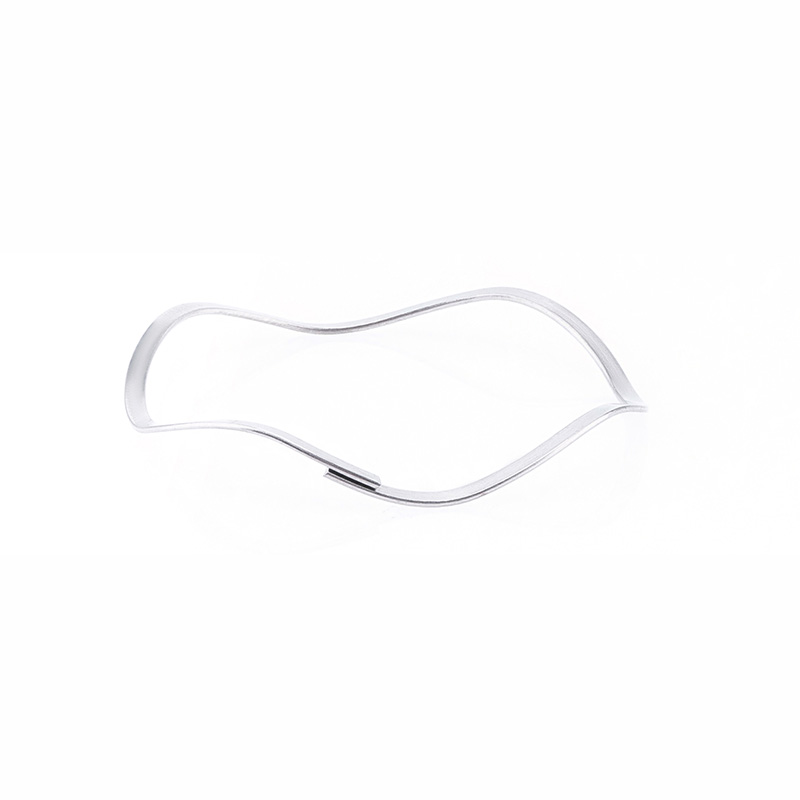
 Chinese
  English
  Dutch
Dutch  French
  German
  Italian
  Japanese
  Korean
  Portuguese
  Russian
  Spanish