
Single Turn Gap Wave Washer vs Traditional Springs: Which Performs Better?
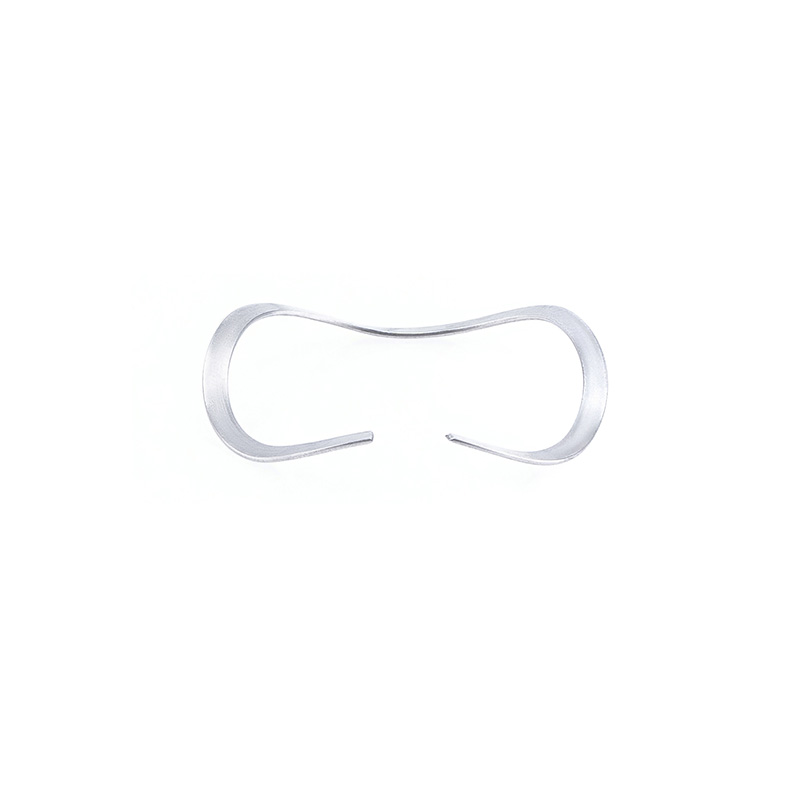
Single turn gap wave washers reduce axial height by 50%, deliver linear load curves, prevent binding via gap ends, and outperform traditional springs in constrained precision assemblies.
The Engineering Guide to Single-Turn Overlap Wave Spring Washers: Optimizing Load in Tight Spaces
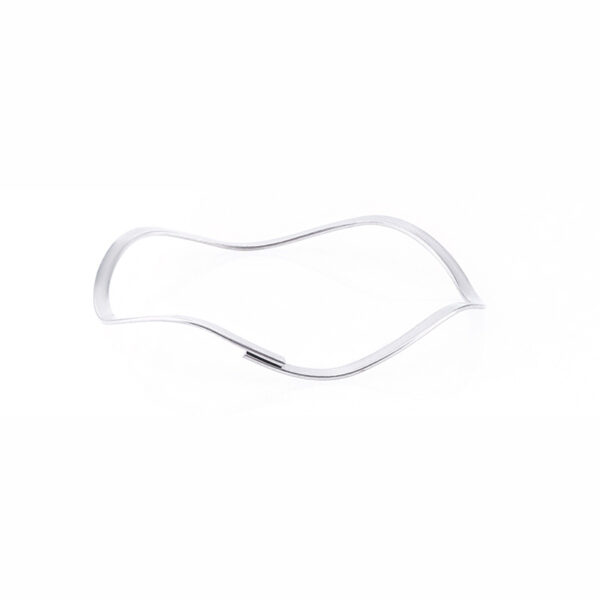
Explore the design and application of single-turn overlap wave spring washers. Learn how 17-7PH material and unique overlap ends solve axial space and binding issues.
What is the difference between a spring washer and a wave washer?
Abstract: In mechanical fastening systems, preload control and vibration resistance are critical to joint integrity. Elastic elements like washers are employed to sustain clamping force, offset thermal expansion, and minimize loosening under dynamic loads, as outlined in the joint design principles in Mechanical Engineering Design by Joseph Edward Shigley and the bolted joint behavior analysis published by the American Society of Mechanical Engineers. The spring washer and the wave washer are commonly specified among these elastic components, but they are often misunderstood. While both serve preload and vibration-control functions, their geometry, load-deflection characteristics, installation contexts, and performance behaviors differ significantly. This detailed 2026 technical guide covers the structural mechanics, engineering […]
What Is a Wave Spring Washer? Uses, Types, and Advantages Explained
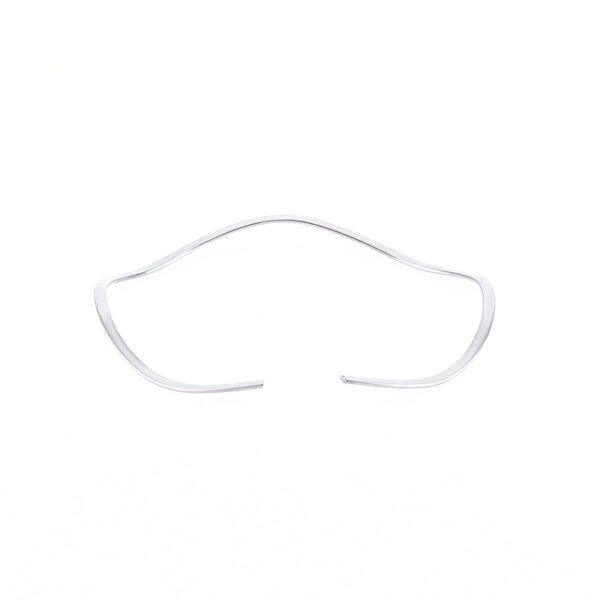
Wave spring washers are crucial to many mechanical assemblies, particularly in regard to controlling the load, having a precise tension, and having a compact design. While they may appear smaller than the larger components of a system, the performance and stability of many industrial mechanisms are often dependent on the way in which a wave spring washer manages to deflect, compensates for variations in dimensions, and maintains pressure under different conditions. In this comprehensive article, we will discuss what a wave spring washer is, how it functions, its primary applications, its different types, and the benefits of this popular design in multiple disciplines of engineering. This article attempts to provide […]
Wave spring washer for bearing Full Guide 2025
Introduction: Why a Wave Spring Washer Matters in Bearing Preload Within precision mechanical assemblies, especially those that involve bearings, controlling the gap between the axles, reducing vibrations, and having consistent preload is crucial to performance and longevity. A wave spring washer (also called a wave washer) is situated at the meeting point of these requirements: it provides a compact spring element that can preload a bearing, compensate for variation in clearance, absorb shock, and maintain contact. For those involved in design, production, and maintenance, selecting the appropriate wave spring washer reduces the number of failures, improves the NVH (noise, vibrations, and harshness) of the machine, increases the life of the […]
ウェーブ・スプリング・ワッシャーの目的は?
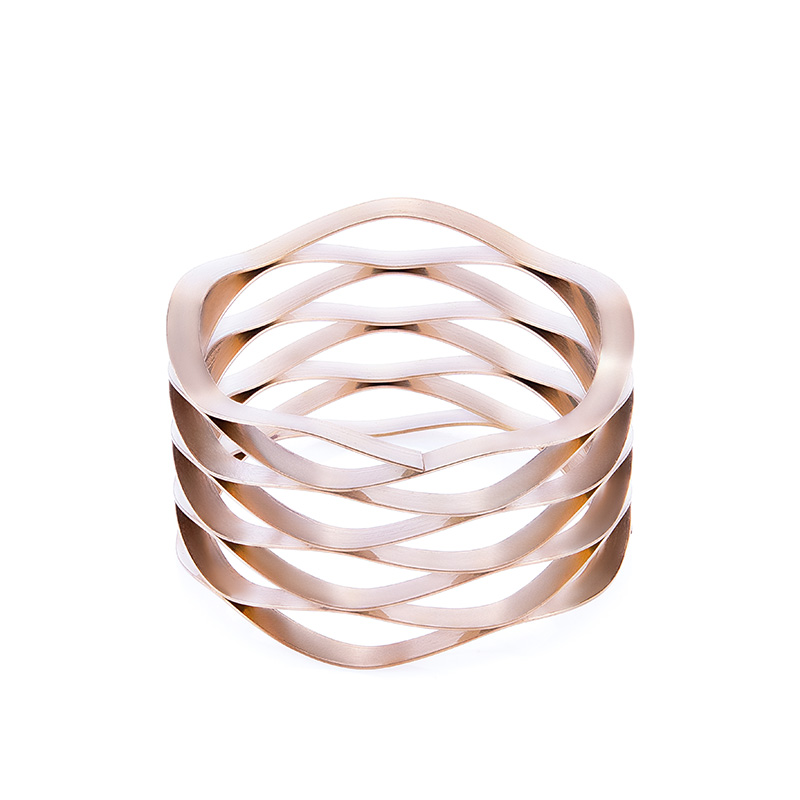
Bolts, screws, and nuts are defined as fasteners and though they are among the most critical components used in mechanical assemblies, additional components are often added to them under high conditions so that they can sustain their stability. Wave spring washers comprise one of the numerous highly efficient yet grossly neglected components. This article defines a wave spring washer, discusses its manufacturing process, and gives the exact role it plays compared to ordinary spring washers. What Is a Wave Spring Washer? A wave spring washer is a thin, elastic metal washer with a wavy or corrugated design. Since flat washers offer no compression at all, only load distribution, compare them […]
 Japanese
  English
  Chinese
  Dutch
Dutch  French
  German
  Italian
  Korean
  Portuguese
  Russian
  Spanish