
Der Sprengring is an important component in the mechanical structure and plays an important role. Although the snap ring is small, it is an important component that cannot be ignored. Whether it is in limiting, positioning, shock absorption, or saving assembly space, the snap ring plays a stable and efficient role. Understanding the types, measurement methods, usage skills, and correct disassembly and assembly methods of the snap ring is of great significance for mechanical maintenance, parts replacement, and precision assembly. If you don’t know much about the snap ring, this article will help you understand it in depth.
What is a snap ring?
A snap ring, also known as a snap ring, a snap ring, or a circlip, is a fastening element used on shaft or hole parts to prevent parts from moving or falling out in the axial direction. It is usually assembled in a shaft groove or a hole groove, and uses elasticity or clamping force to achieve the limit fixing function.
snap rings are widely used in machinery, automobiles, aviation, home appliances, tools and other fields, and are indispensable precision parts in many equipment. Common materials include spring steel, carbon steel, stainless steel and brass, and the surface can be oxidized, electroplated, blackened, rust-proofed, etc.
How to measure snap rings?
Accurately measuring snap rings is the prerequisite for correct selection and replacement. The measurement content includes outer diameter, inner diameter, thickness, groove width and groove depth:
| Parameter | Beschreibung |
| Shaft Diameter (d) | The diameter of the shaft or hole into which the snap ring is installed |
| Nutdurchmesser | The diameter of the groove where the snap ring is installed (the diameter of the shaft is the diameter of the snap ring for shafts and the diameter of the hole is the diameter of the snap ring for holes) |
| Nutbreite | Width of mounting slot |
| Ring Thickness | The thickness of the snap ring itself |
| Free Diameter | Outer diameter of snap ring in free state |
Measuring tools usually use calipers or micrometers to ensure that the measurement is carried out in an undeformed state to obtain accurate values. If it is a standard part, you can check the table according to ISO/DIN/JIS and other models.
Types of snap rings
snap rings can be divided into many types according to the installation position, shape and purpose:
- snap rings for shafts (external snap rings): installed on the shaft groove to prevent the parts from moving outward along the axial direction
- snap rings for holes (internal snap rings): installed in the hole groove to prevent bearings and other parts from sliding inward
- E-type snap rings: similar to the “E” shape, easy to install and disassemble quickly, used for small bearings and motors
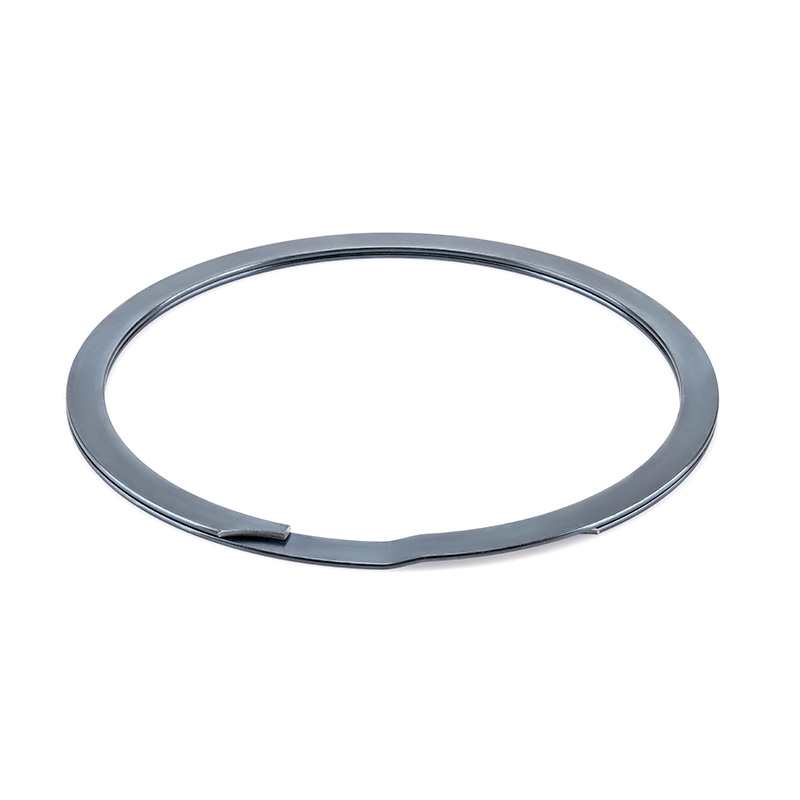
- Spiral snap rings: spirally wound, suitable for high-speed rotating systems
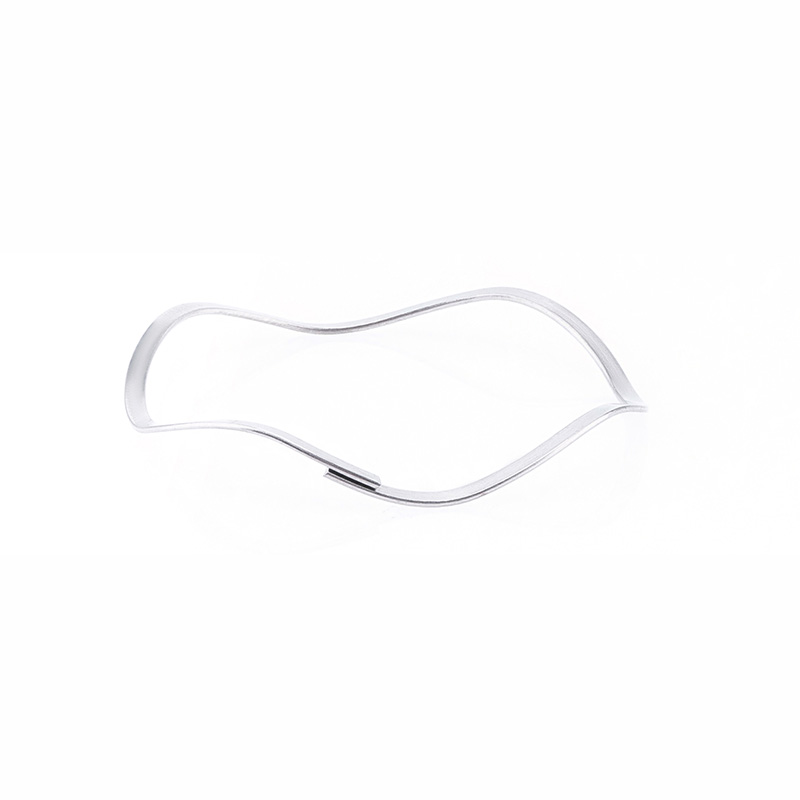
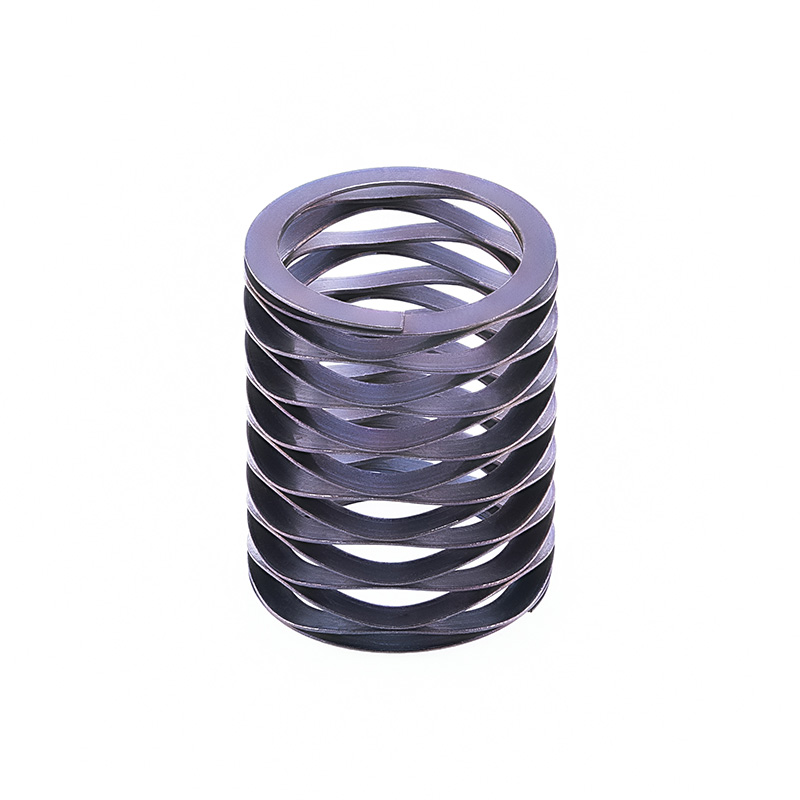
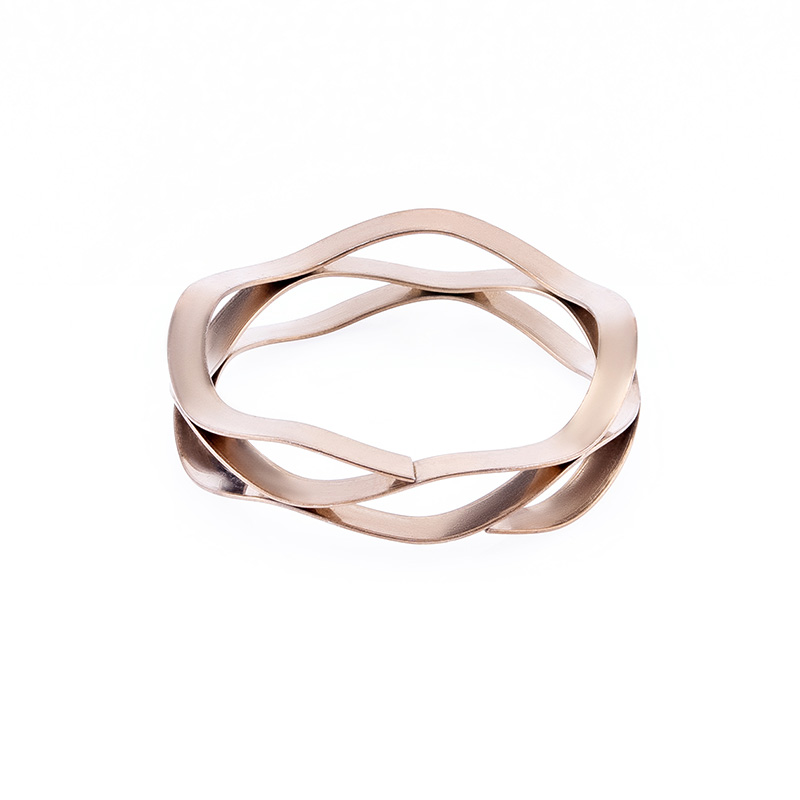
- Wave snap rings: with buffering and elastic characteristics, suitable for parts with limited preload space
- Constant pressure snap rings: self-adjusting force control, used in temperature difference or force change occasions
- Holeless snap rings (closed type): no installation holes, special methods are required for disassembly and assembly, suitable for closed structures or micro components
Detailed pictures of differentsnap rings
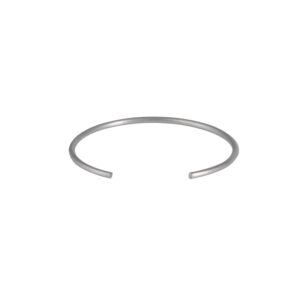


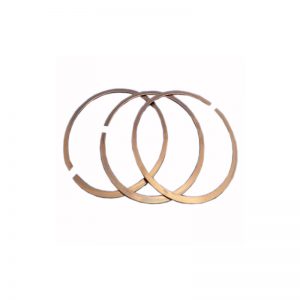
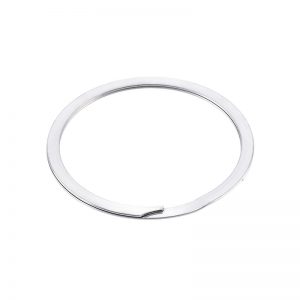
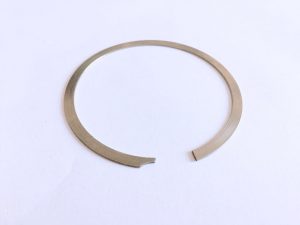
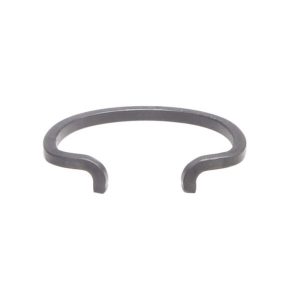
What are snap rings used for?
The main function of snap rings is to limit the axial movement or positioning of parts, and its uses are very wide:
- Mechanical structure limit: prevent bearings, gears, and wheels from slipping out or shifting during movement;
- Transmission mechanism protection: maintain the coaxiality of the shaft system to avoid transmission failure due to loosening;
- Tool component positioning: such as electric tool chucks and lithium battery slot positioning;
- Elastic preload function: such as wave snap rings are used for buffering and shock absorption;
- Compact assembly design: snap rings replace nuts/washers to save installation space.
How to use snap rings?
When using snap rings, pay attention to the following points:
- Confirm the size and model: snap rings that match the shaft or hole groove must be selected;
- Choose the right Material: For high-speed environments, it is recommended to use stainless steel or alloy steel snap rings;
- Pay attention to directionality: Some snap rings are designed with specific directions (such as single-sided fillets) and must be installed correctly;
- Use special tools: Especially for snap rings with mounting holes, circlip pliers should be used to avoid damage.
How to install snap rings?
Step 1: Identify the snap rings Type
Stellen Sie fest, ob Sie mit einem internen oder externen Sprengring arbeiten. Dies ist von entscheidender Bedeutung, da davon abhängt, wie Sie bei der Montage vorgehen.
Schritt 2: Gewährleistung der Sicherheit
Setzen Sie Ihre Schutzbrille und Handschuhe auf, um Ihre Augen und Hände zu schützen. Die Sicherheit sollte immer an erster Stelle stehen.
Schritt 3: Reinigen der Komponenten
Reinigen Sie die Welle, die Bohrung und den Sprengring, um Schmutz, Ablagerungen oder alte Schmierung zu entfernen. Eine saubere Oberfläche ist für den ordnungsgemäßen Einbau entscheidend.
Step 4: Select the Appropriate snap rings
Wählen Sie die richtige Größe des Sprengrings anhand Ihrer Abmessungen und der Anwendung. Achten Sie darauf, dass er gut in die Bohrung oder um die Welle passt.
Step 5: Position the snap ring Pliers
Setzen Sie die Spitzen Ihrer Sprengringzange in die Lücken des Sprengrings. Achten Sie darauf, dass die Zange richtig ausgerichtet ist, entweder für innere oder äußere Sprengringe.
Schritt 6: Drücken Sie den Sprengring zusammen
Gently squeeze the pliers to compress the snap-wire ring. This will reduce its diameter, making it easier to insert into the bore or onto the shaft.
Schritt 7: Einsetzen des Sprengrings
Setzen Sie den zusammengedrückten Sprengring vorsichtig in die Bohrung oder auf die Welle. Stellen Sie sicher, dass er richtig und sicher sitzt.
Schritt 8: Lösen Sie die Zange
Slowly release the pliers, allowing the snap wire ring to expand and lock into place. Listen for a satisfying “snap” sound, indicating that the snap ring is fully engaged.
Schritt 9: Überprüfen der Installation
Double-check that the snap wire ring is correctly installed and secured. Give it a gentle tug to ensure it doesn’t come loose.
Schritt 10: Schmieren (falls erforderlich)
Je nach Anwendung kann es erforderlich sein, ein Schmiermittel auf den Sprengring aufzutragen, um einen reibungslosen Betrieb zu gewährleisten. Verwenden Sie ein Schmiermittel, das für Ihre spezielle Umgebung und Ihre Materialien geeignet ist.
How to remove the snap ring?
Standard snap rings (with holes) can be removed in the following ways:
Use circlip pliers to insert into the snap ring hole;
Slowly open or press (depending on the installation type);
Remove the snap ring from the groove;
Be careful not to scratch the groove or surrounding parts.
It is recommended to use a dry cloth to clean impurities on the snap ring before removal to prevent it from getting stuck.
How to remove a snap ring without a hole?
Holeless snap rings (such as E-type and closed rings) usually cannot be directly removed with circlip pliers. The following techniques can be used:
- Precision screwdriver prying: Insert a small flat-blade screwdriver into the gap between the snap ring and the groove;
- Diagonal pliers assisted extraction: When part of the snap ring is pried up, use diagonal pliers to clamp it out;
- Use a disassembly needle or extractor: For micro structures, special micro disassembly tools can be used;
- Heating method (only for metal parts): Slightly heat the snap ring to expand, which helps to loosen it.
Note: The risk of disassembling holeless snap rings is high, and care should be taken to avoid popping out and injuring people or damaging surrounding parts.
Abschluss
At present, the application field of the snap ring has become very wide, and it also plays an important role. Therefore, when purchasing or using the snap ring, you must learn more and refer to it. It is recommended to choose standardized, high-strength, and highly adaptable Produkte, and use special tools and correct methods for installation and disassembly to ensure safety and efficiency. If you have further requirements for the selection of snap rings, drawing design, or industrial applications, you can also refer to DIN 471, DIN 472, GB/T 893 and other standards for in-depth matching.
 German
  English
  Chinese
  Dutch
Dutch  French
  Italian
  Japanese
  Korean
  Portuguese
  Russian
  Spanish