
Understanding the Retaining Ring Landscape: From Basics to Specialization
When it comes to securing components in automotive assemblies, Retaining Rings stand as indispensable fasteners. These small but critical components prevent axial movement of shafts, gears, and bearings, ensuring the integrity of complex mechanical systems. For those new to the field, exploring the Types of retaining ring reveals a diverse family of fasteners tailored to specific applications.
Among the most common varieties are the traditional Circlips and their close relatives, Snap Ring. These components have been industry staples for decades, relying on stamped metal designs with protruding “ears” for installation and removal. While effective in basic applications, modern automotive engineering demands more advanced solutions—enter Spiral retaining rings.
Spiral Retaining Rings: Redefining Precision in Component Securement
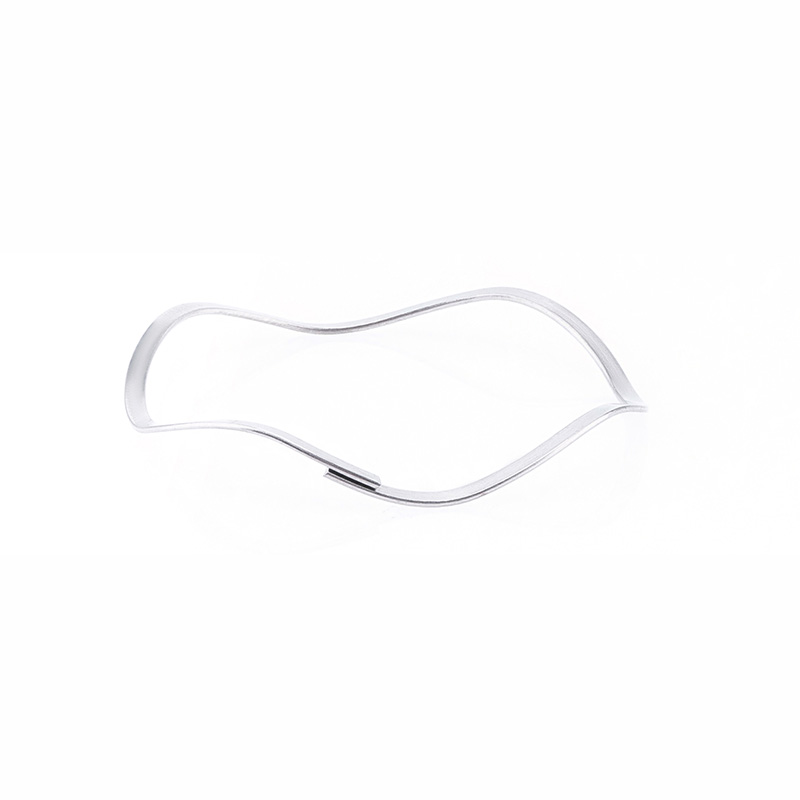
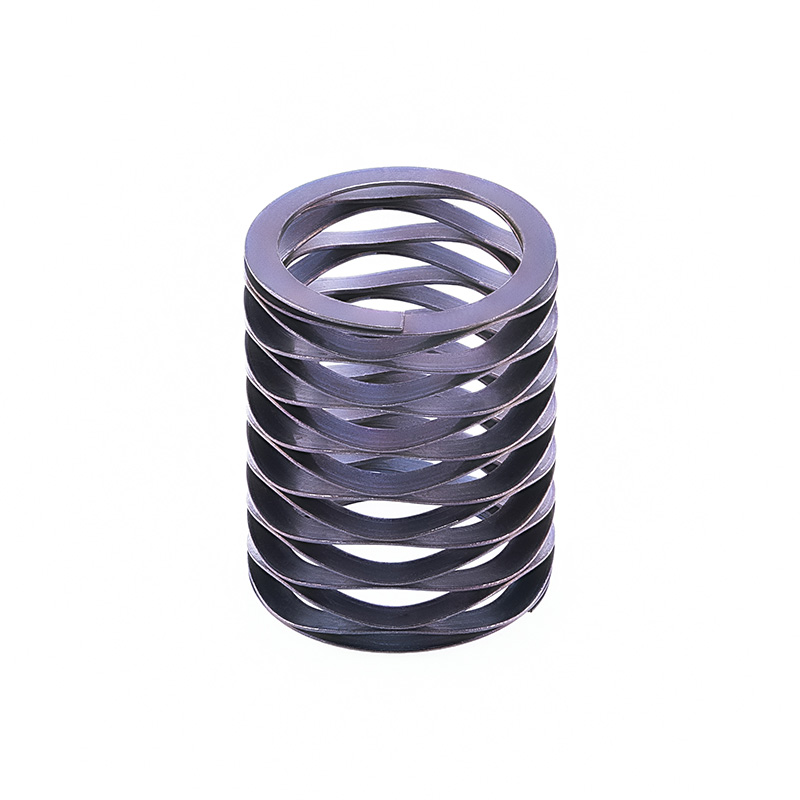
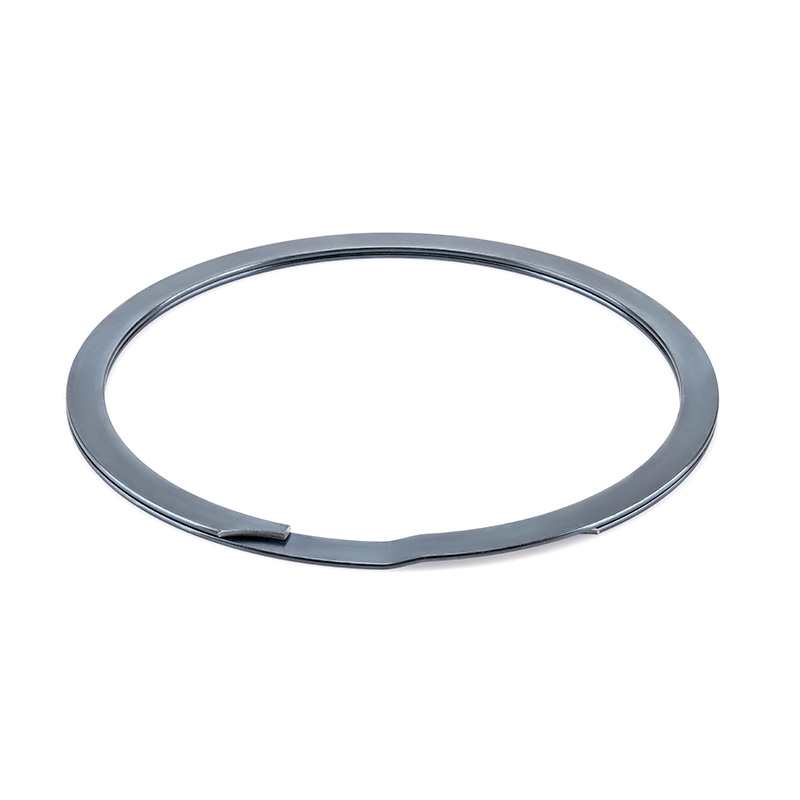
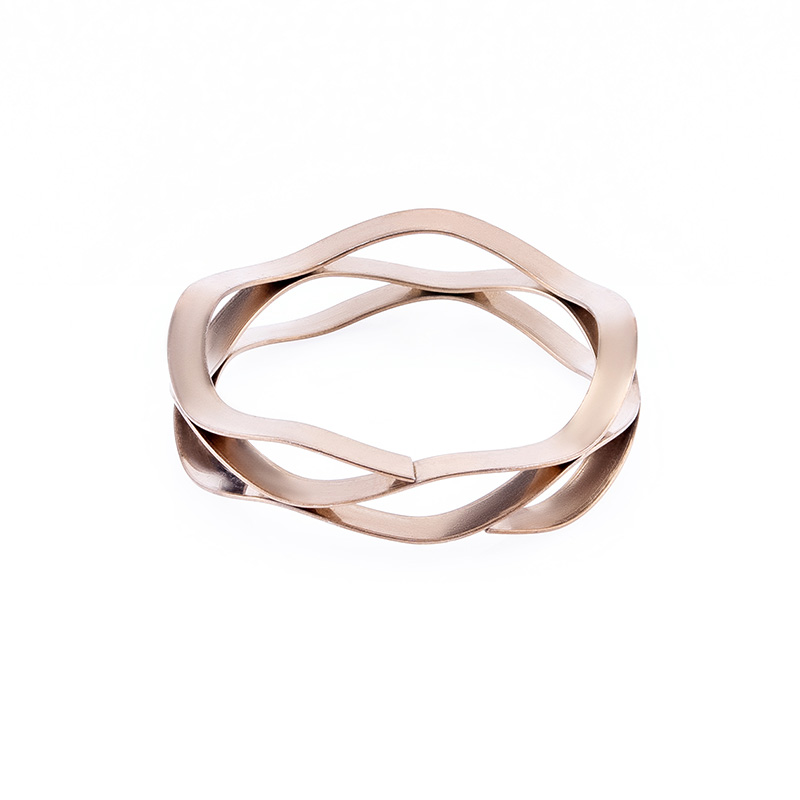
Unlike conventional Snap Ring designs that are stamped from flat metal sheets, Spiral retaining rings are manufactured by coiling a continuous flat wire. This unique production method creates a fastener with uniform cross-section and no protruding lugs, addressing many limitations of traditional designs.
Automotive engineers increasingly favor this design for several key reasons:
- Enhanced load distribution: The coiled construction provides consistent contact pressure across the entire circumference.
- Space efficiency: Without installation ears, spiral rings fit flush in grooves, saving valuable millimeters.
- Improved durability: The continuous wire design eliminates weak points found in stamped Circlips.
Internal Retaining Rings: Specialized Solutions for Bore Applications
Within the broader category of Retaining Rings, Internal Retaining Ring variants play a critical role in automotive transmissions. These specialized fasteners install inside bores or housings, securing components like bearings and gears from the inside out.
In modern hybrid transmissions, Internal Retaining Ring designs incorporating spiral technology offer distinct advantages:
- They maintain precise alignment even during rapid torque transitions between electric and combustion power.
- Their smooth internal profile prevents interference with rotating components.
- They withstand the extreme temperature fluctuations common in hybrid powertrains.
Comparing Traditional and Modern Retaining Solutions
When evaluating fastening options, it’s essential to understand the limitations of traditional designs. Standard Snap Ring and Circlips often struggle with:
- Uneven load distribution, leading to premature wear.
- Installation challenges requiring specialized pliers.
- Vibration-induced loosening in high-performance applications.
In contrast, Spiral retaining rings address these issues through their innovative design. Their 360-degree contact pattern ensures uniform pressure distribution, while their lack of protruding features simplifies installation and reduces vibration risks.
Selecting the Right Retaining Solution: A Guide for Engineers
For automotive engineers navigating the diverse Types of retaining ring, several key factors should influence component selection:
- Application environment: Consider temperature ranges, vibration levels, and load requirements.
- Space constraints: Spiral designs offer advantages in compact assemblies.
- Installation method: Evaluate accessibility and tooling requirements.
- Material compatibility: Ensure compatibility with transmission fluids and operating conditions.
While traditional Snap Ring and Circlips remain suitable for basic applications, the demands of modern automotive and hybrid technology increasingly favor Spiral retaining rings and specialized Internal Retaining Ring designs. These advanced Retaining Rings not only meet the performance requirements of today’s vehicles but also contribute to improved efficiency, reliability, and durability in automotive systems.
 English
  Chinese
  Dutch
Dutch  French
  German
  Italian
  Japanese
  Korean
  Portuguese
  Russian
  Spanish