
In the intricate world of mechanical engineering, the quest for optimal performance and reliability is unending. Every component, no matter how small, plays a crucial role in the seamless functioning of a system. One such unsung hero in the realm of fastening solutions is the balanced spiral retaining ring. In this article, we embark on a comprehensive exploration of the benefits that balanced spiral retaining rings bring to the table, delving into their design principles, applications across industries, and the transformative impact they have on engineering precision.
Understanding the Basics: What are Balanced Spiral Retaining Rings?
The Evolution of Retaining Rings
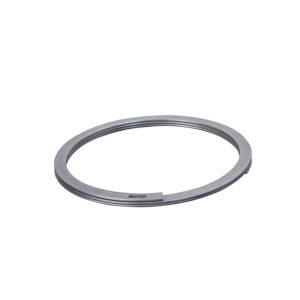
Retaining rings, also known as circlips or snap rings, are commonplace in mechanical assemblies, serving the fundamental purpose of axially securing components on shafts or within bores. Balanced spiral retaining rings represent a refinement of traditional retaining ring designs, incorporating a spiral-wound configuration that imparts unique mechanical advantages.
Design Principles
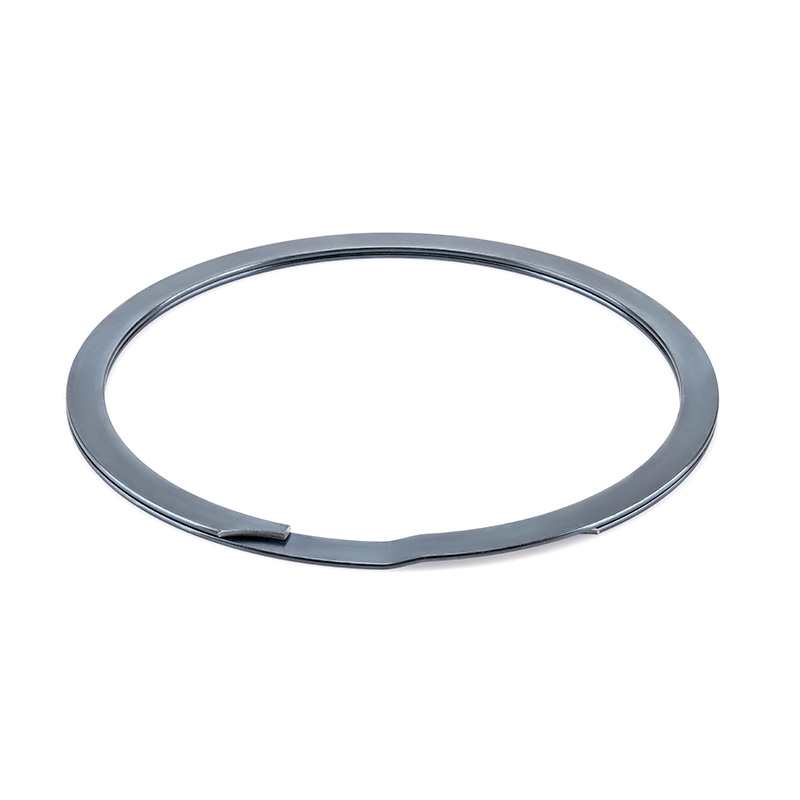
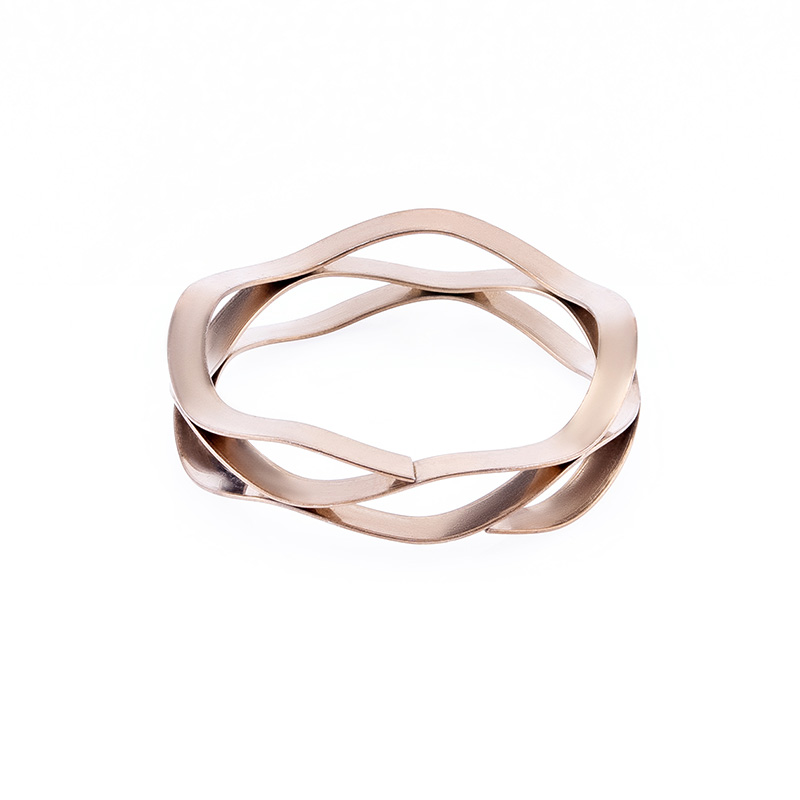
The distinctive design of balanced spiral retaining rings involves a continuous coil of flat wire, forming a spiral structure. This design provides inherent flexibility and resilience, allowing the ring to adapt to varying diameters and absorb axial loads. The “balanced” aspect refers to the equal distribution of forces, resulting in improved stability and reduced stress concentrations.
Advantages of Balanced Spiral Retaining Rings
Enhanced Axial Load Capacity
One of the primary advantages of balanced spiral retaining rings is their superior axial load capacity. The spiral-wound structure distributes loads evenly, preventing localized stress points that can lead to premature failure. This enhanced load-bearing capability makes balanced spiral retaining rings suitable for applications with dynamic axial forces, such as rotating shafts and oscillating components.
Greater Radial Clearance
The spiral design inherently provides greater radial clearance compared to traditional retaining rings. This characteristic is particularly advantageous in applications where space constraints are a critical consideration. The increased clearance allows for more flexibility in design without compromising on the integrity of the fastening solution.
Reduced Interference Fit Requirements
Balanced spiral retaining rings can function effectively with reduced interference fit requirements. This means that they can be easily installed and removed without excessive force, simplifying assembly and disassembly processes. The reduced need for interference fits also minimizes the risk of damaging mating components during installation or removal.
Improved Fatigue Resistance
The continuous spiral configuration contributes to improved fatigue resistance, a crucial factor in applications involving repeated cycles of loading and unloading. This enhanced durability extends the service life of the retaining ring, reducing the frequency of maintenance and replacement intervals.
Versatility in Materials and Coatings
Balanced spiral retaining rings are manufactured from a variety of materials, including carbon steel, stainless steel, and exotic alloys. This versatility in material selection allows engineers to tailor the retaining ring to specific environmental conditions, such as corrosive atmospheres or high-temperature environments. Additionally, the option to apply various coatings further enhances the resistance to wear and corrosion.
Applications Across Industries
Balanced spiral retaining rings find applications across a diverse range of industries, each benefiting from their unique set of advantages.
Automotive Engineering
In the automotive industry, where precision and reliability are paramount, balanced spiral retaining rings are employed in components such as transmissions, steering systems, and wheel assemblies. Their ability to withstand dynamic loads and provide secure axial retention makes them integral to the smooth operation of automotive systems.
Aerospace Technology
Aerospace applications demand components that can withstand extreme conditions without compromising on performance. Balanced spiral retaining rings, with their ability to adapt to varying diameters and resist fatigue, find use in critical aerospace components, including landing gear assemblies, actuation systems, and avionics.
Industrial Machinery
In industrial machinery, where robustness and efficiency are key considerations, balanced spiral retaining rings contribute to the reliable functioning of gearboxes, motors, and rotating shafts. The increased radial clearance and resistance to axial loads make them a preferred choice in heavy-duty industrial applications.
Consumer Electronics
Even in the realm of consumer electronics, where miniaturization and precision are essential, balanced spiral retaining rings play a role in securing components within compact devices. Their versatility in material selection and reduced interference fit requirements make them valuable in the design of consumer electronic products.
Considerations for Design and Installation
While the benefits of balanced spiral retaining rings are substantial, proper design and installation practices are critical to realizing their full potential.
Design Considerations
Engineers must carefully consider factors such as the expected axial and radial loads, environmental conditions, and space constraints when incorporating balanced spiral retaining rings into a design. The correct choice of material and coating is also pivotal in ensuring the longevity and reliability of the retaining ring in a specific application.
Installation Guidelines
Proper installation is paramount to the performance of balanced spiral retaining rings. Following manufacturer guidelines regarding installation tools, procedures, and recommended tolerances is essential. Over-stressing or misaligning the retaining ring during installation can compromise its effectiveness and lead to premature failure.
Future Trends and Innovations
As technology continues to advance, the future of balanced spiral retaining rings holds exciting possibilities.
Smart Retaining Rings
Integration of sensors and monitoring capabilities directly into retaining rings for real-time performance data. This innovation could enable predictive maintenance strategies and enhance the overall reliability of mechanical systems.
Advanced Materials and Coatings
Ongoing research into materials with enhanced properties, such as improved fatigue resistance and self-lubricating capabilities, to further extend the capabilities of balanced spiral retaining rings in demanding applications.
3D Printing Technology
Exploring the use of 3D printing technology to manufacture complex geometries and customized designs, allowing for greater flexibility in meeting specific engineering requirements.
Conclusion
In the complex tapestry of mechanical engineering, every component contributes to the overall performance and reliability of a system. Balanced spiral retaining rings, with their unique design and inherent advantages, stand as a testament to the pursuit of excellence in fastening solutions. From automotive systems to aerospace applications and beyond, the benefits of balanced spiral retaining rings resonate across diverse industries, shaping the future of precision engineering. As technology continues to evolve, so too will the role of balanced spiral retaining rings, ushering in a new era of innovation and efficiency in mechanical design.
 English
  Chinese
  Dutch
Dutch  French
  German
  Italian
  Japanese
  Korean
  Portuguese
  Russian
  Spanish